The Limits to Using Monsters as Heroes

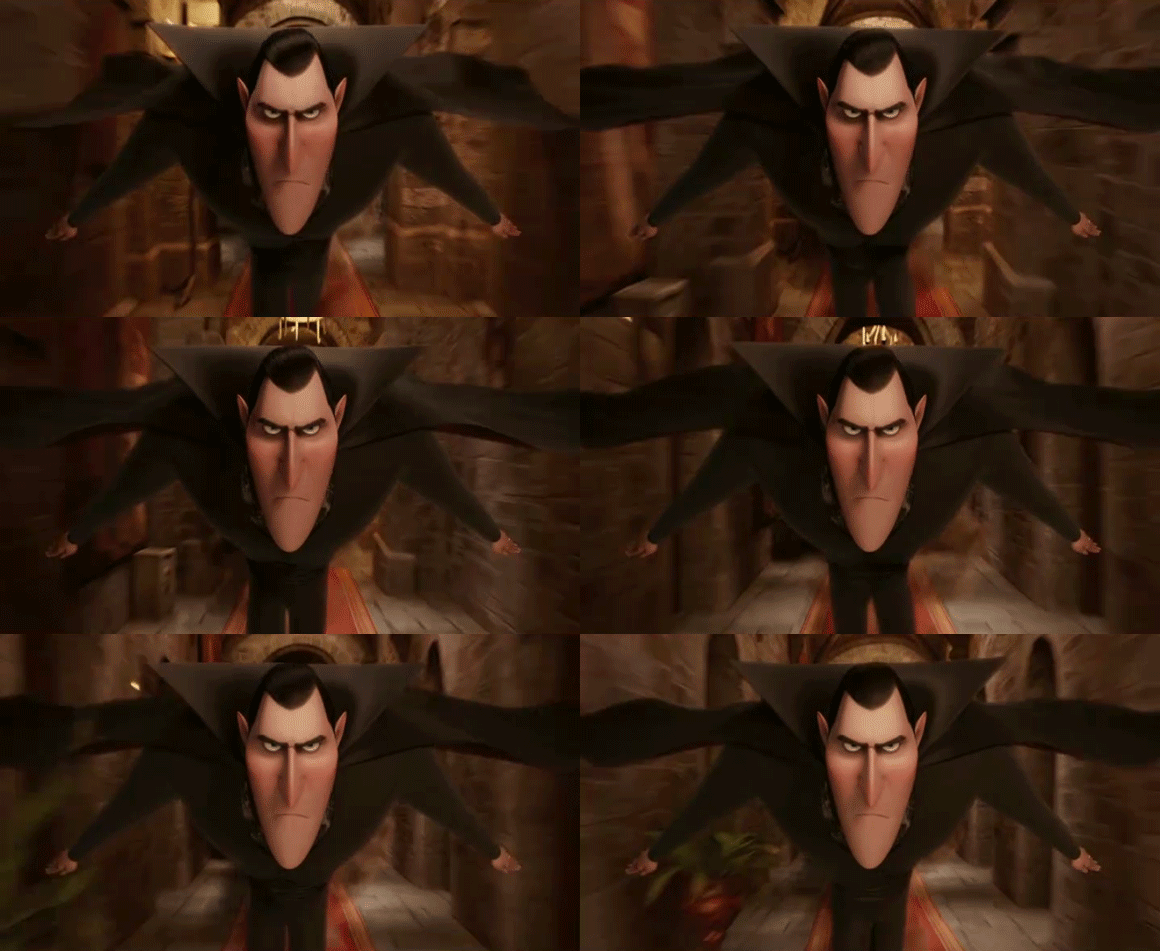
Hotel Transylvania

There’s always a temptation to push a monster character to the edge and let them dance around there.  How violent can they be before the audience feels that they have gone too far?  What about going in the opposite direction where their monster side is almost superficial?  As I’ve stated before, a lot of this comes down to balancing the two sides of the character.  You also need to factor in genre because a lot of gore can work in action or horror, but not really in romance or children books.  So, let’s examine the two extremes since that’s where the risk is:

Too Much Monster

This is one that I worry about when it comes to Clyde in War of Nytefall.  I need to keep him close to the edge because he has the monstrous rage, which the other Dawn Fangs didn’t inherit.  There are times I need him to be violent and cut loose to remind the audience that he is a monster.  The gore comes into play here since he’s hand-to-hand and tears people apart.  Clyde can tear through an army if he decides that he doesn’t want to use any self-control.  He doesn’t go into a blind frenzy, but he releases enough that he can be terrifying without losing the one thing that keeps him ‘human’.

And that’s the key.  There’s a cap on Clyde because he wants a challenge from his fights, so he won’t really cut loose.  His outbursts are rare and fairly controlled after the initial charge, which prevents him from going full monster.  If he did then it would be difficult to draw the audience back into believing that he can work with humans or even his own kind.  That idea of the monster being able to hold back their worst instincts is necessary to maintaining interest in their story.  Once they go over that edge, it’s really hard to bring them back.  Even if you do, people will always be waiting for it to happen again and that creates distance between the character and the readers.

Too Little Monster

Sometimes an author might focus so much on the human side of a hero that they’ll almost completely eliminate the monster side.  This isn’t as jarring and violent as having them be an agent of destruction, but it brings up some interesting questions.  For example, why bother having them be a monster in the first place if they have no problem interacting with humans?  This can be undone by having them be an outcast and including members of their species who are monstrous.  Yet, people might wonder how this hero even fits into their birth world since they’re far too human.  You really do need some kind of dangerous edge to these characters or it feels like a barely thought out gimmick.

Another issue that can stem from this is if you have some ‘monster hater’ characters turn up.  These are the ones who refuse to believe the hero isn’t out to eat humans and go out of their way to be antagonistic.  If the hero is acting so human that you forget their a monster then you would start to wonder why these other characters are so suspicious.  The whole subplot can feel forced because there is too much evidence to prove that this monster isn’t a threat to people.

Summing Up

Honestly, the only reason I did this section was because I didn’t want people thinking I was continuing the last one.  All of this comes down to what you want as an author and what works for the story.  You’re always going to have people that think you didn’t go far enough or went too far.  It’s the nature of the beast in regards to working with beasts as heroes.  These characters have a lot of pre-existing lore and preconceived notions to break through, so they won’t always hit their marks.  Even Dracula has his haters who say he isn’t a good example of a vampire.  So, just do your best and stay true to the character you’re creating.

Posted in Uncategorized | Tagged , , , , , , , , , , | 23 Comments

Sally’s Cafe and Bookstore – Author Update – #Reviews – Cynthia Reyes, Frank Prem and Annika Perry

Posted in Uncategorized | 2 Comments

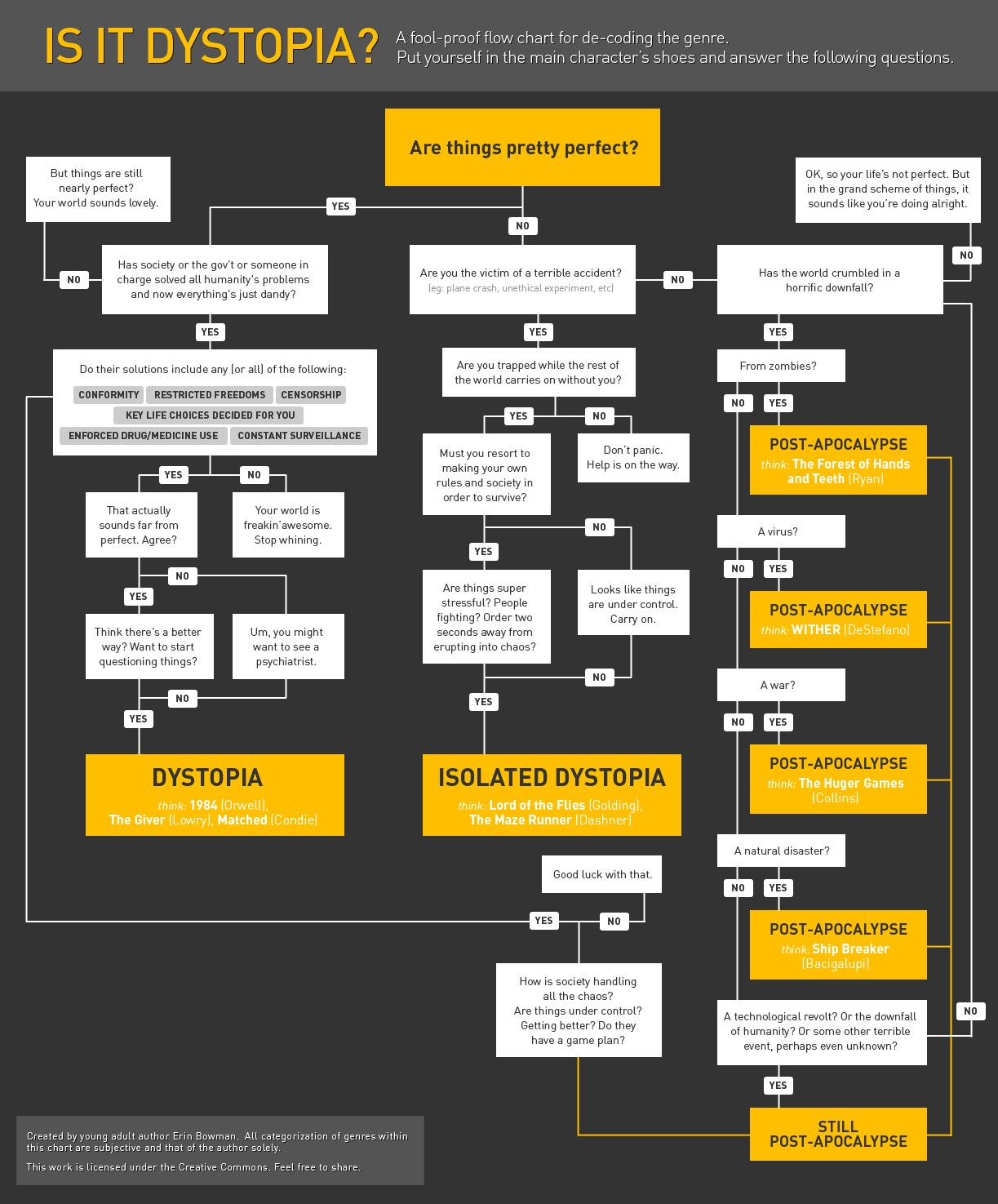
The Ultimate Guide To Dystopia (Infographic)

Nicholas C. Rossis's avatarNicholas C. Rossis

While researching keywords for Eaux Infinies, my recently published French edition of Infinite Waters, I came across an infographic on Human After HAL exploring the various dystopian subgenres, created by YA author Erin Bowman. Enjoy!

Dystopia Infographic | From the blog of Nicholas C. Rossis, author of science fiction, the Pearseus epic fantasy series and children's books

Many thanks to Krystallia for the tip!

View original post

Posted in Uncategorized | 2 Comments

The 2019 Author Interview Series Featuring Ann Barnes

This gallery contains 13 photos.

Don Massenzio I’m pleased to feature author Ann Barnes in this edition of the 2019 Author Interview Series. Let’s take a look at the 10 questions she has selected to give us insight into what motivates and inspires her as … Continue reading →

More Galleries | 2 Comments

Derailing Bedlam: Facing the Apocalypse with a Smile Part 2 #fiction #adventure

As usual, here is your warning that this story has cursing, sex (not graphic), innuendo, and violence.  It’s my Rated-R action adventure called Derailing Bedlam.  This is the fourth outing (third official) for Cassidy and Lloyd, so feel free to click on one of the two covers to see how it started.  Each one is 99 cents!

Cover by Jon Hunsinger

Cover Art by Jon Hunsinger

.

.

.

.

.

.

.

.

.

.

Continue reading →

Posted in Bedlam Series, Derailing Bedlam | Tagged , , , , , , , , , , , , , , , , , , , , , , , | 12 Comments

Grabbing Your Readers Attention at the Start of Your Story

Some great tips here.

Unknown's avatarDon Massenzio

This is a topic I have been thinking a lot about since I decided to venture into the Kindle Scout program. Since you are required to provide an opening to your book and try to entice them to vote for your book based on what they see in that brief extract, being able to obtain and hold their attention is extremely important.

With that being said, I thought I would gather some tips on how to grab your reader’s attention at the beginning of a book to help out others as you create your masterpieces.

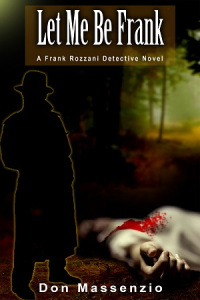
Let Me Be Frank - CoverGive a hint of what to expect

In your opening, you can tip off your reader on what will be coming. I have tried a few different style openings in my own books. Since they are usually murder mysteries, I have sometimes used a variation of what I call the “Columbo opening”.

If you remember…

View original post 594 more words

Posted in Uncategorized | 2 Comments

Top 9 Trends in Publishing for 2019

Nicholas C. Rossis's avatarNicholas C. Rossis

The Written Word Media (WWM) regularly posts great material examining the latest trends in publishing; trends of interest to every author – particularly Indie ones. Here is my summary of Ricci Wolman’s predictions for 2019, along wth my comments:

1) Amazon Advertising Ads Go Mainstream

Amazon Advertising (formerly Amazon Marketing Service, aka AMS) Amazon Advertising | From the blog of Nicholas C. Rossis, author of science fiction, the Pearseus epic fantasy series and children's bookAds will become an essential part of the author’s toolkit in 2019. More and more authors are reporting rising costs on Facebook Ads. This, coupled with Amazon’s ambitions to grow its advertising business, will make paying to get visibility on Amazon a pillar of every author’s marketing strategy.

Personally, I have stopped advertising on other media, with the exception of running promos for any titles I may have on offer (on free days/Kindle Countdown Deals). To learn more on Amazon Advertising, consult the guides I wrote for SearchNurture.

2) Book Quality Becomes Critical to Success

In an…

View original post 1,271 more words

Posted in Uncategorized | 2 Comments

7 Tips to Writing Humanoid Monster Protagonists: Even the Undead Can Have Heart

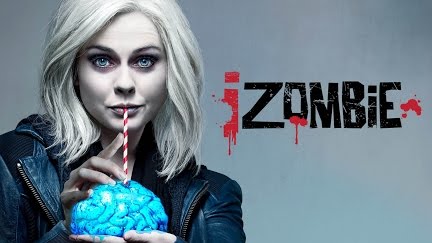
iZombie

Not many people try to write a story with a monster as the hero.  Well, you see it for kids a lot.  Paranormal romance enjoys this too, but it rarely happens when you get into the more action-oriented genres.  You might be afraid that people won’t like that you’ve made your monsters into heroes instead of leaving them as destructive beasts.  Well, there are some ways to go about doing this with minimal stress.

  1. Forget what people will say or do.  Write the story.  Edit the story.  Publish the story.  Promote the story.  Answer the questions and stick to your guns because this is what felt right.  If you want the hero to be a crime-solving harpy who lost her wings to a mystical poacher then go for it.
  2. Spend more time focusing on how the monster is human than how they are bestial.  The latter is expected and every outburst will be a strike against the attempt to humanize them.  Show that this character isn’t any different than their ‘normal’ counterparts.  Give them hobbies, favorite human foods, a oddly human home, and whatever else brings the point across that they aren’t simply waiting for the real hero to show up for a fight.
  3. This isn’t to say that the entire species that you’re working with have to be taken away from their monstrous roots.  Your hero can be an outlier of their people, so they don’t belong to either world.  Having the true monsters around to remind the audience about how these creatures should be can help strengthen the characterization of the hero.  It acts as a useful contrast.  Less wordy than having humans repeatedly talk about how they expect the monster to operate.  Yes, we know giants are famous for eating people, but some of them might have gone Vegan.
  4. Develop and gradually introduce a history of the world that would explain why this monster is a good guy.  It doesn’t even have to be a gradual or deep explanation if that’s simply how your world works.  Maybe vampires have always been around and made a treaty with humankind during the Middle Ages.  Werewolves could be an ancient off-shoot of homo sapiens that lived in isolation until recently.  What if zombies exist to give people one last chance to finish their business on Earth?  No matter what, this explanation will help draw people away from the standard usage of the monster that you’re trying to project as a hero.
  5. Research your chosen monsters to see if there are tidbits of info that can be used to give them quirks or help with the humanization.  Legends and myths change over time, so you can find some contradicting stuff.  For example, vampires were only weakened by the sun until Hollywood had it that they got destroyed.  This weakens can be taken in place of destruction and used to explain how vampires stayed hidden for so long.  During the day, they were nothing more than pale, strange humans, so they have been in society the whole time.
  6. If you’re on the fence about having this character stay a hero then you can take the easy way out.  Have it that there is a spell or artifact forcing them to act against their monstrous nature.  Make sure to include a supporting character who can take over as the protagonist if you decide things would work better with the monster going back to their origins.  Although, if you’re going to set this up in the first place then maybe you weren’t interested in a monstrous protagonist to begin with.
  7. Buy War of Nytefall to see what I did . . . This isn’t a tip?  Fine, I’ll make a real one that will blow the others out of the water.  Humans in fiction and reality are built by their relationships or lack thereof.  To have your monster be relatable, you need them to have friends, enemies, and everything in the middle.  It could be difficult for them to do this, which means you write them as having difficulty connecting to those who are not in their species.  This means they are looking at humans as more than prey and are trying to create a normal life.  If you go the same route as me and have all the characters be monsters then you just have them act like humans.  Give them lovers, best friends, partners, and rivals in the same way you would do so for non-monster casts.
Posted in Uncategorized | Tagged , , , , , , , , , , , , , | 25 Comments

Listening to Your Characters

Joan Hall's avatarStory Empire

Hi SE Readers. Joan here today on this last week of January. The holidays are behind us. We’ve had time to make and break New Year’s resolutions. It’s time to get back to some serious writing. (Talking to myself with that last sentence.)

In the publishing world, you’ve probably heard there are two types of authors—plotters and pansters.

Plotters take time to delve deeply into their story before they write the first word. Many plan meticulous outlines. They know what will happen in chapter one as well as the final chapter. Some of them create detailed character sketches, conduct copious amounts of research, and develop the setting down to exact details.

Pansters, on the other hand, don’t plan at all. They may have a general idea such as, “I’m going to write a murder mystery that isn’t solved until twenty years after the fact.” A few character names and a…

View original post 591 more words

Posted in Uncategorized | Leave a comment

Teaser Tuesday: Awkward Allies #fantasy #adventure

Cover Art by Circecorp

Taking excerpts from The Life & Times of Ichabod Brooks is tough because they’re short stories.  So, I’m always happy to find pieces that I can share.  This one is from Ichabod Brooks & the Island of Mirrors.  Fingers crossed that he can ride again one day.

Continue reading →

Posted in Ichabod Brooks, Teaser Tuesday | Tagged , , , , , , , , , , , | 23 Comments