Ciao, SEers. Today is part seven: pacing, tension, and suspense. Craig has written a couple of great posts on tension (one and two), and I have a …
Story Development and Execution Part 7: Pacing, Tension, and Suspense
Ciao, SEers. Today is part seven: pacing, tension, and suspense. Craig has written a couple of great posts on tension (one and two), and I have a …
Story Development and Execution Part 7: Pacing, Tension, and Suspense

Raven from Teen Titans
(As a kid, I always though the shadows in my room were other things. This probably lasted until I was around 13. Mostly because I eventually hit a point where it was just fun to let my mind wander and see what came up.)
Chittering noises
From the closet depths
And under beds
Disguised as wind
Or settling wood
*
The monsters wait
Kept at bay
By blankets
And a tiny light
Jutting from the wall
*
Spindly legs
Tap the shadow fringe
Searching for a flaw
While hidden eyes
Lock onto sleeping prey
*
Tempting whispers
Made from desperation
A feeble attempt
To coax the child
From her linen shield
*
The child stays safe
While the monsters fail
Going hungry once again
Forced to slumber
By the blazing sun
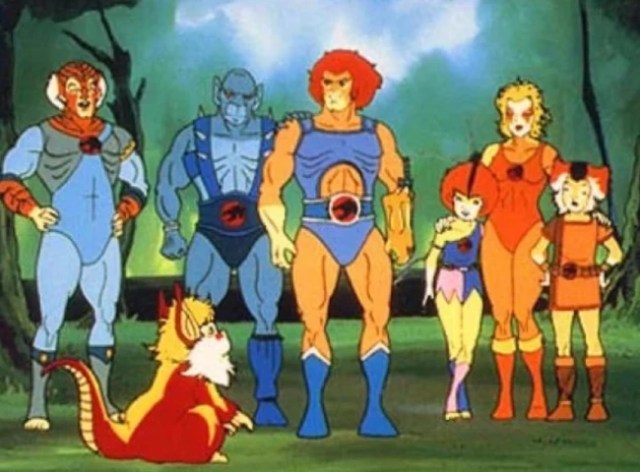
Thundercats
Anthropomorphism is when you put human traits on an animal or non-living object. This can be physical, mental, and emotional. Sounds very much like personification, right? It’s why the two get mixed up so often. We’ll compare them on Friday though. Gotta leave you wanting more.
We see anthropomorphism in a lot of fiction, especially cartoons. Thundercats, Disney movies, Looney Tunes, and everything with an animal or object that is acting like a human would fall under this category. It isn’t that they are given traits to make them more colorful in terms of description. They legitimately have these abilities such as walking on two legs, talking, and even wearing clothes. It’s not pretend, but really happening in the story. That is what makes it anthropomorphism.
Physical changes can be made to the animals and objects as well, but it’s usually with the former category. Look at the Thundercats up there. They have human-shaped bodies with cat-like properties such as stripes, spots, and claws. Instead of keeping them entirely cat-like, the creators had them be a hybrid of human and cat. This isn’t necessary for anthropomorphism, but it happens a lot. This helps make it easier for audiences to accept and see the characters acting like humans. It turns them into entirely different species as well, which opens the door for more flexibility. For example, the Teenage Mutant Ninja Turtles eat pizza even though real turtles don’t.
Going the hybrid route isn’t mandatory though. There are many examples of characters who retain their full animal form while talking and thinking like animals. ‘The Land Before Time’ does this with dinosaurs. The characters remain in their dinosaur form, but can talk and feel like humans. Same thing with ‘Bambi’, ‘Secret of Nimh’, and ‘All Dogs Go to Heaven’. Noticing that it’s a lot of old animated movies there. Also, humans don’t always understand the animals because many take the route of us simply hearing what the animals are saying for the sake of storytelling.
Now, I’m sticking to animals because they’re the most common. Yet, there are examples of non-animals. Benny from ‘Who Framed Roger Rabbit’ is an anthropomorphism taxi with an attitude. ‘Cars’ is a franchise with anthropomorphic vehicles. There’s the cast of ‘Beauty & the Beast’, but we’ll touch on them in a bit. As long as you can have the object move or speak, it can be anthropomorphized. Some don’t even have to move like a human as long as they can talk and feel. Best example there is Thomas the Tank Engine, who is a train with a face. My son was really into that franchise when he was little and the array of personalities in the characters was astounding. It didn’t matter that they were still trains and limited to their tracks. They were human-like in their adventures.
Let’s touch on ‘Beauty & the Beast’ now. There are anthropomorphized objects like teapots, clocks, and a feather duster. Why am I singling this out? It shows how you can vary the reason for anthropomorphism. Most times, this isn’t touched on at all because you’re dealing with a hybrid race or simply being made to hear the animals or objects in their daily lives. Here, we see that the anthropomorphism is caused by a curse, so you’re looking at real humans turned into objects. This can help get the idea across in certain stories, but it’s not necessary. Many people will think that you have to go into depth to explain why this is going on, but you don’t. It only has to make sense for the world and story, so going too far can hurt the tactic.
I’ve used anthropomorphism a bit in my books. Some would say Fizzle counts since he’s a dragon, but better versions may be the calicos (cat people) and fireskins (dragon people) who are common races. Talking animals are another thing, but this can be done by them naturally talking or a person under a spell to communicate. So, there is a lot of variety in ways you can use anthropomorphism. Of course, it doesn’t work in every genre since it requires a lot of suspension of disbelief.
So, what do you think of anthropomorphism? Any favorite examples?
Yahoo Image Search
Legends of Windemere
CLICK FOR AMAZON PAGE
OR
Cover Art by Alison Hunt
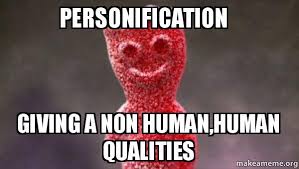
Yahoo Image Search
I’m going to touch on two things this week: PERSONIFICATION and ANTHROPOMORPHISM. These two literary tactics get mixed up a lot because they’re very similar. Even the image above isn’t giving the full story. So, let’s start with the first one. What is Personification?
Simply put, Personification is when a non-human demonstrates human qualities. This could be an animal or object. It doesn’t even have to actually demonstrate the quality, but be given it by the author or another character. Betting everyone has something in their head right now, but we’ll see if it’s this or Wednesday’s topic.
Personification is fairly easy to figure out and common. So much so that it gets taught in K-12 programs while anthropomorphism isn’t touched on. This might be another reason the two are treated as one and the same. It’s simply easier to say every non-human with a human trait is personification. Yet, one of the tricky things is that you’re probably looking at the correct usage in school and don’t know of the variation.
Here are some examples:
None of those things are actually doing those things with intent. Dancing, pummeling, calling, and puncturing are all human actions. The other things are just existing and doing what they do. Yet, we add these verbs in order to give a better description of what is going on in the scene. This paints a bigger and more vivid picture than if you said:
Those four are rather dull and lifeless. Regardless of how excited you say it, the previous versions had more of a kick. That is the biggest purpose of personification. To give your world-building and exposition a blast of excitement. The readers now imagine these non-human things doing what you are describing. They still know that such things are impossible, but now it’s more interesting. It works off the suspension of disbelief at the lowest level because we know how personification works. This knowledge is in our heads if we don’t know it’s going on.
Personally, I think this is one of the easiest writing tricks to use. It’s low risk because it’s so common and adds a little flavor to the story. People are used to it, so you won’t get backlash unless you use the same ones over and over again. There’s plenty of variety to get the same point across, which can help expand your vocabulary. You’re forced to think of other ways to describe things, which enhances your word usage. I get into ruts, so this one really helps me out.
Most importantly, personification brings a lot of personality to the world. The types of words you use can set the tone If you use gentle words then it creates a calming and soothing atmosphere. Violent ones can up the tension and lustful ones can create a steamy setting. For example, if I start describing things as screaming, snarling, and furious then the reader will get a certain tone in their head. In this case, it would be loud, tense, angry, and stressful. Hopefully that’s what I’m going for, which it should be.
So, what do you think about personification?

Hi SEers. John with you today. As a wrap-up to the subject of gestures (or beats) to convey non-verbal communication, I found a great cheat sheet for…
A Cheat Sheet on Body Language for Writers

I am very pleased to be participating in Teri Polin’s book launch tour for The Insurgent. I have read and enjoyed Subject 36, the first in the series…
The Insurgent by Teri Polen #New Book
Instead of a single animal, I’m going to share some pictures of creatures that have see-through skin. A lot of fish, invertebrates, and reptiles. This is actually rather common in juvenile fish. So, enjoy all these Google Image Search pictures.
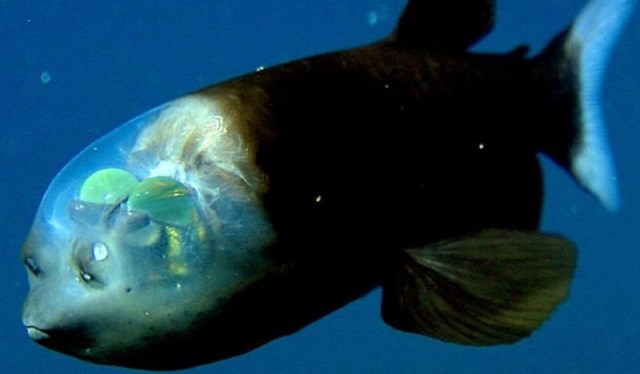
Barreleye Fish
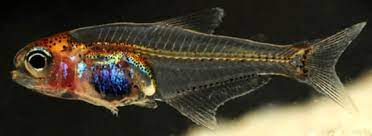
Cyanogaster Noctivaga
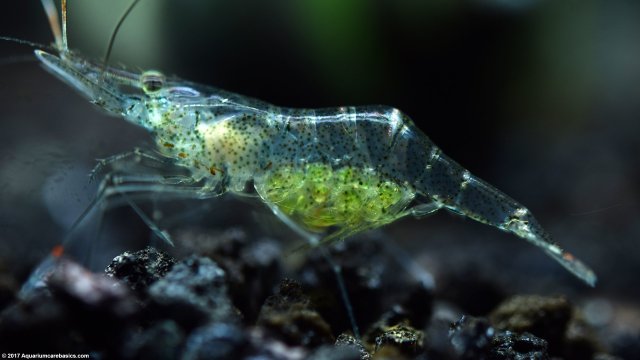
Ghost Shrimp
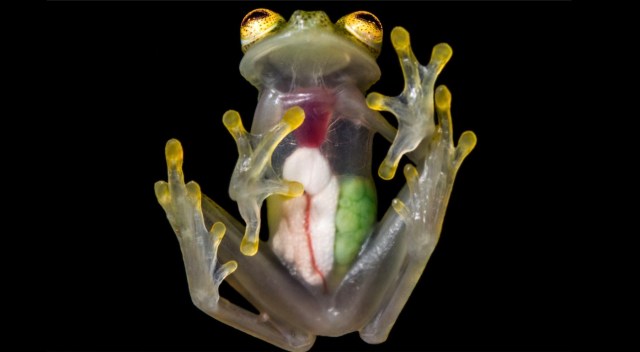
Glass Frog
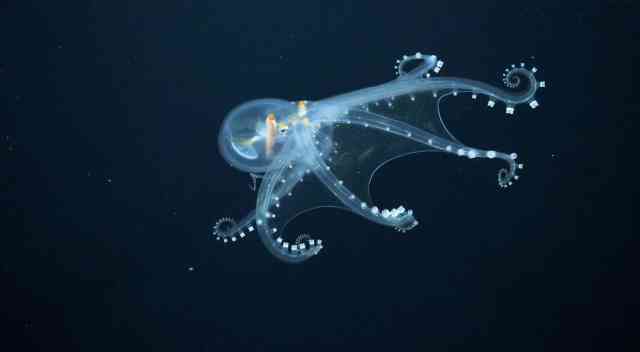
Glass Octopus
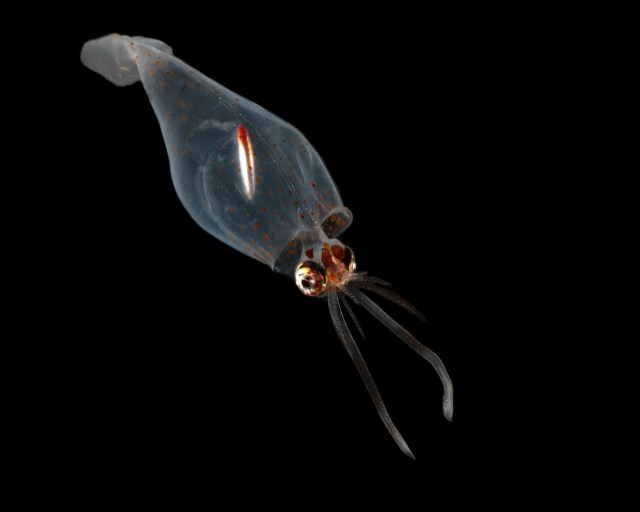
Glass Squid
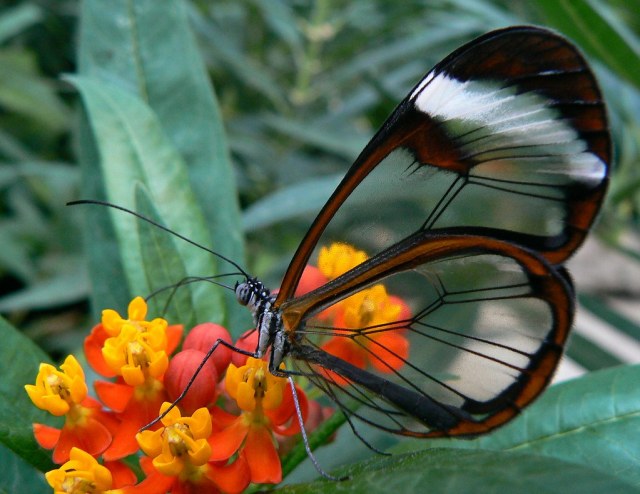
Glasswinged Butterfly (Lot of Glass names here)
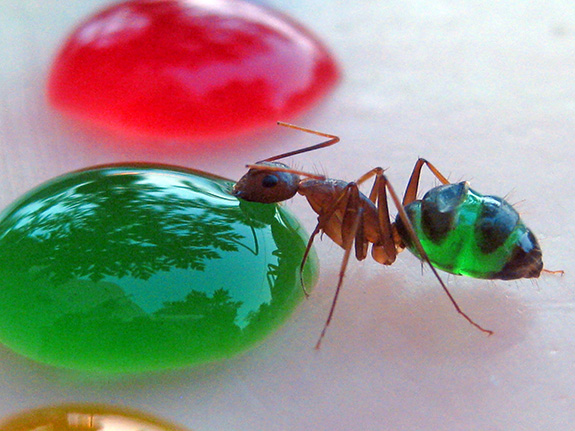
Pharaoh Ants
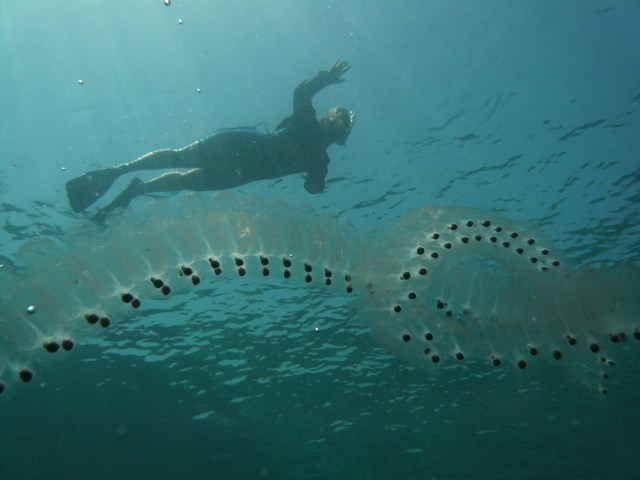
Salps
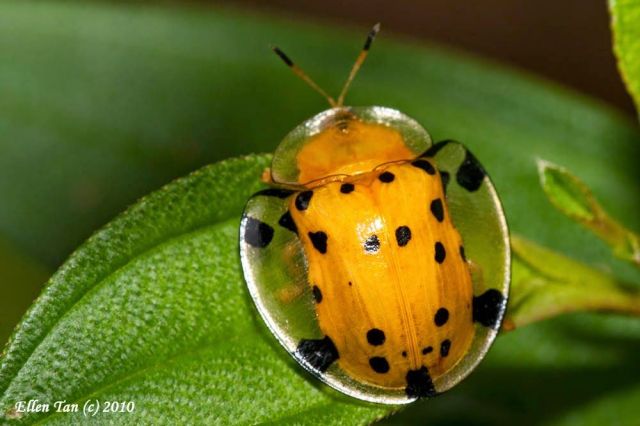
Tortoise Shell Beetle
This week started off going well, but things abruptly fell apart yesterday. To the point where I’m genuinely starting to believe I’m cursed. Started to feel like I had energy and got a little hope in my heart. Then . . . fucking nightmare on steroids that I can’t even talk about here. All I can really say is that it’s bad enough that the slightest addition of stress makes me feel like I’m going to puke, dizzy, and my shoulders hurt like they’ve just been stabbed. Yay!
I want to talk about the good stuff that happened, but it’s so hard for me to really dive into it. So much work has to be done this weekend, which was supposed to be easy. 90% of it was unexpected or not mentioned until it became urgent. Needless to say, I’m not going to get any writing done this weekend. Last weekend my have been a glitch before the Matrix remembered that I’m supposed to be suffering through my existence. God knows, I couldn’t even get close to my writing once the week started again and my plan to get a little in this weekend has been destroyed.
You know, I’ve never struggled this much with writing a goal post. This blow to my psyche and nerves feels different. Is it because completing almost 3 chapters of a new book made me happy and gave me hope? Prior to that, I was being crushed in a way that was more like the grinding of a boot that was already on me. This time, it feels like I was allowed to stand for a moment and then smashed back down. I’m scared to feel that hope again until there’s fewer things that can batter me. It’s even more extreme than what I felt throughout the school year when I could predict what was going to happen, so I was able to soften the blow. This time just hit so hard and suddenly that it feels oddly personal. Not by those involved, but by whatever entity controls our fates.
As I said, I finished the first 2.75 chapters of Darwin & the Halfling Hunt. It was slow going at first. Then, I got into a groove and made good progress before things got too crazy to continue. I thought I’d get that last chapter section done, but it didn’t happen and who knows when I’ll get another chance. That’s probably another thing that’s making me upset. I hate leaving a chapter unfinished because I worry that I’ll screw up the tone and flow of the events. This one might not have as high a risk as the others, but I’ll still need to check things and might lose more time than I’d like going back. Since I’m still looking at getting very limited writing time, it could end up with me checking the previous stuff and then failing to write until a week passes and the cycle continues. If I can get a little time this weekend and my head together then it might work, but it’s not looking good . . .
WOULD PEOPLE STOP TEXTING ME FOR A MINUTE! Seriously, my phone just went beeping left and right for a whole minute. I see messages from eight different people right now. None are urgent.
Not much else to talk about since I barely touched the TV. Vaguely remember finishing the second season of ‘Arifureta’ and enjoying it, but it’s like that was a lifetime ago. I tried to start ‘Restaurant to Another World’, which seemed like a fun, short story type of series about a restaurant that opens once a week to allow those from a fantasy world to come in for food. It was a random choice, but it might be the best to put on while my brain is steeped in misery. No drama or complicated plot from what I can tell. Just characters doing stuff, finding a door, and getting a meal.
Goals of the week:
Philip J. Fry
Zoning out can be pretty useful. It can also come with several risks if you do it in the wrong place. Should you avoid it? No, but be careful by following these Pros and Cons.
That’s what I came up with. Anybody have other pros and cons of zoning out?