
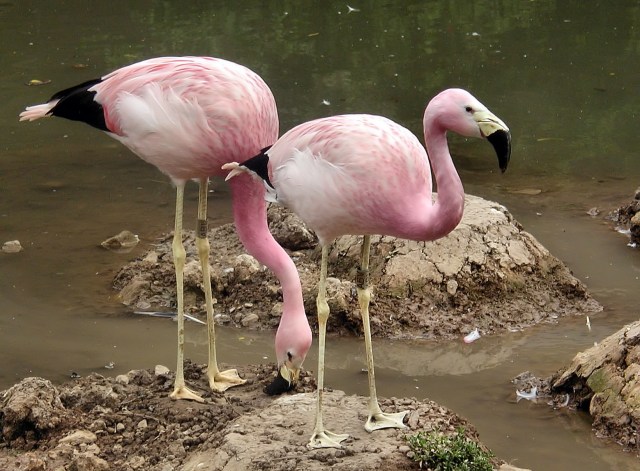
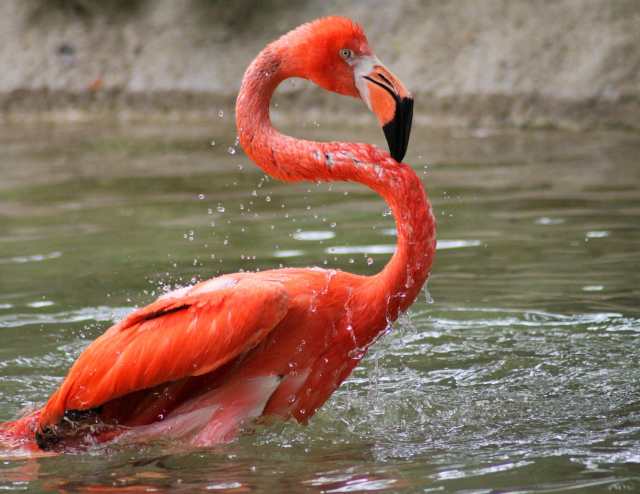
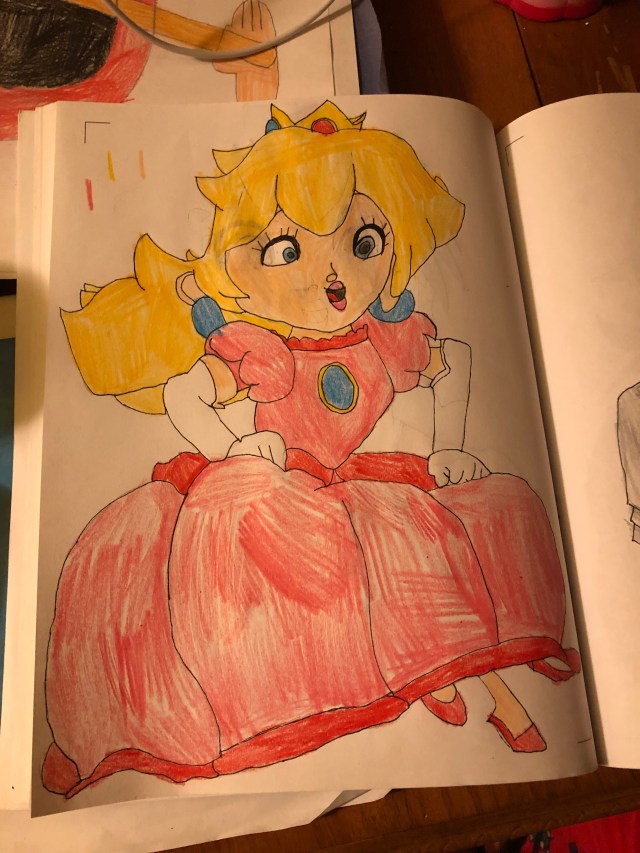
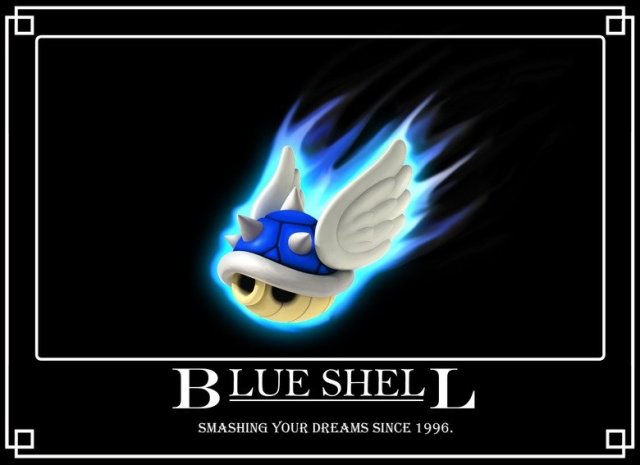
Yahoo Image Search
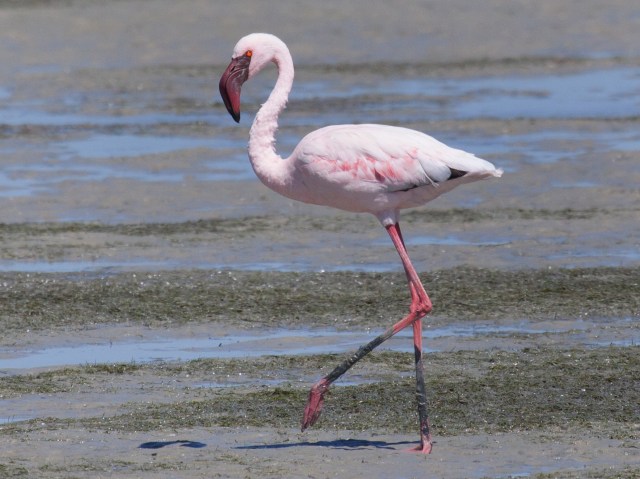
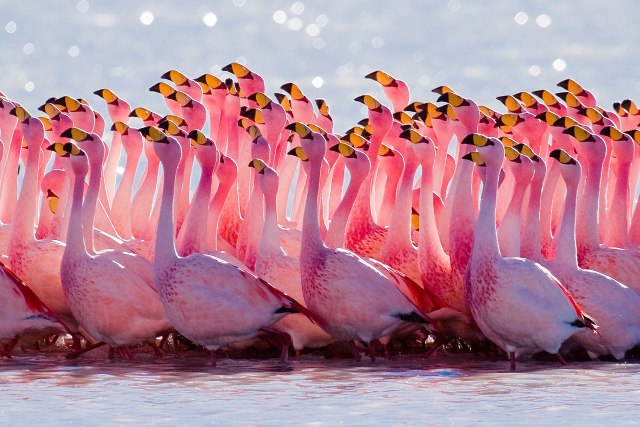
Did the title work? Maybe not, which is one of the challenges with analogies. They’re like jokes in that they depend on the audience and don’t always hit their mark. You can share an analogy that has one person nodding in agreement and another scratching their head in confusion. Why is that?
Well, the big thing is that analogies require pre-existing knowledge. I remember one from the animated X-Men that was ‘Nervous as a long-tailed cat in a room full of rocking chairs’, which I’ve been told is a Southern expression. Pretty simple to understand as long as you know what a cat and a rocking chair are. You also need to know how painful that experience would be. If you’re missing any of those elements, you’re going to have to explain what you meant. Again, this is like a joke where it loses its impact if you have to explain it.
I’ve noticed that I use analogies a lot. People may have picked up on that in comments over the years. By analyzing myself, I tend to use an analogy for one of two reasons:
- Explaining a difficult subject. Example: The Big Bang is like when you put an burrito in a microwave and it explodes.
- Humor. Example: That’s as useful as a slotted spoon when eating soup.
Both areas have shown analogies to be useful in getting a point across. This is because it simplifies and familiarizes things. If a person doesn’t understand a concept then it can be made clear by connecting it to something they do know. It won’t give them an intricate understanding of the details, but they can get the general idea. This opens the door to introduce the more nuanced and difficult pieces. Take the Big Bang example where the person now gets that something exploded outwards. Now, you can explain how this created the galaxy (mess) and the planets/stars/etc. (burrito pieces) exist individually instead of connected. Eventually, you can phase out the comparison and they’ll be left with the information as well as a simple way to explain it to others.
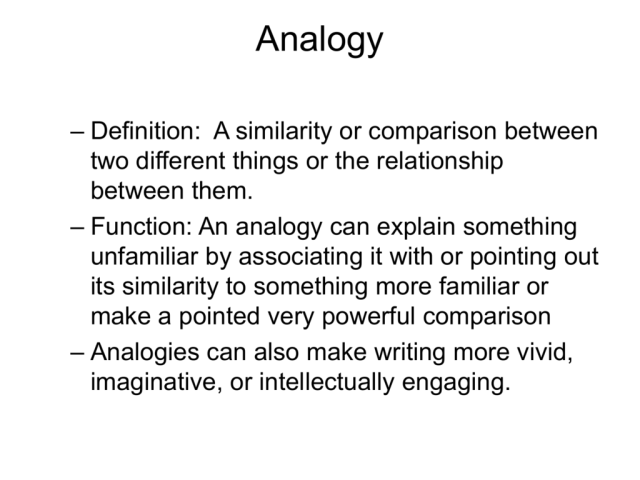
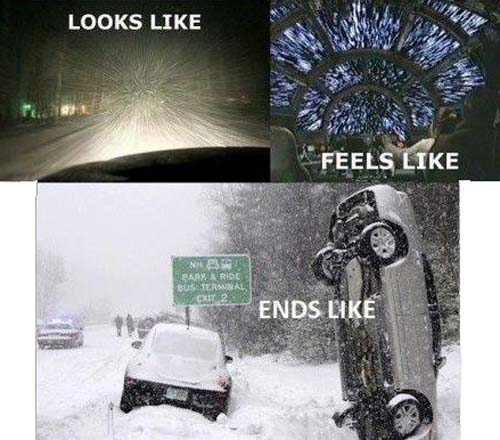
Analogies can be used in writing too. They’re really useful in non-Earth fiction. As the image states, they can be used to pump up your stories. Narrators can explain things in a fictional world by connecting it to the real world. Characters can explain magic systems, historical events, and other unfamiliar pieces of world-building with a simplification for those who don’t know. It helps the readers know what is going on without getting an info dump or being talked to directly. Analogies are so common in our lives that this tactic makes them feel organic.
This doesn’t mean analogies are perfect and safe. As I said, they depend a lot on pre-existing knowledge. There’s also an issue where a person might not like analogies and see them as idiotic. I’ve met many who are able to grasp concepts easily, so they see analogies as ‘dumbing down’. Even if they’re not the target, they will feel like they are and the analogy can come off as insulting. Doesn’t matter with some people that others might need it, so you can inadvertently rub someone the wrong way. Can you do anything to avoid this? Only by not using analogies, but then you’ll have people who don’t understand. Best to weigh your options on which scenario you would rather deal with if you have to.
Another challenge with analogies is just coming up with them. They aren’t easy regardless of the time we take to craft one. A long time can lead to us second guessing our connections and making a mess. Too little time can create an analogy that makes about as much sense as playing chess on a highway. I’ve found that there’s a balance between instinct and conscious thought with these things. Rush into it to see what comes up first and then come back to it later. A first shot at an analogy is rarely on point. If you can’t understand it a week later then you need to do it again.
So, what do you think about analogies? Got any favorites?











 Legends of Windemere