
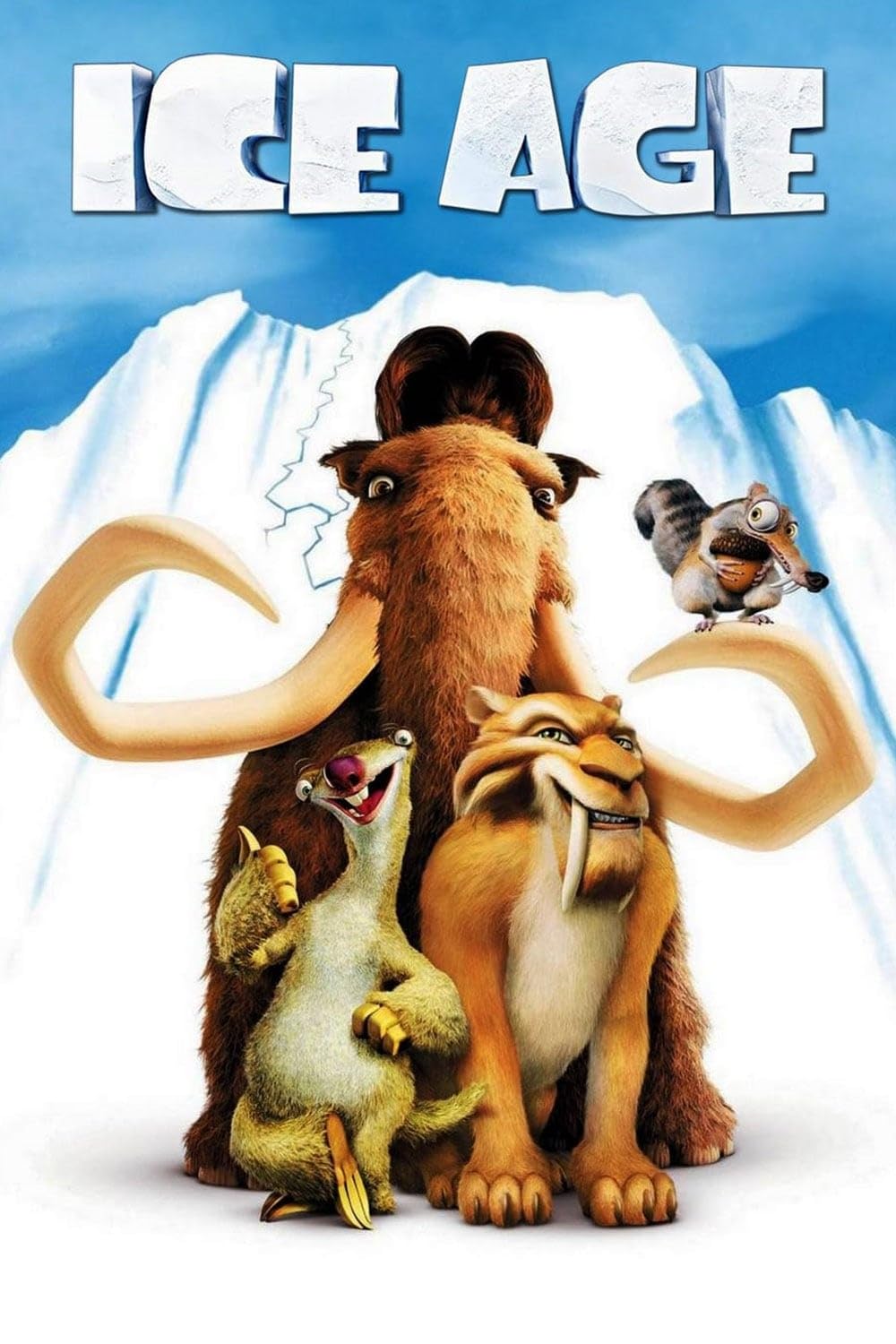
Ice Age
The above characters are probably who many people thought of when they saw the title, but I’m thinking about the actual creatures. I’ve seen many posts over the years about dinosaurs in fantasy, but not about Ice Age mammals. They do make appearances at times and nobody bats an eye that much. Why is that?
Well, first thing we should do is make sure we are all on the same page as far as Ice Age mammals. Woolly mammoths, dire wolves, saber-toothed tigers, megatherium (giant sloth), and more fall under this category. They are the huge and hairy versions of some modern species. Perfect for cold weather and hunting the fledgling humanoids who really only showed up near the end of the Ice Age. I think we have a good enough picture right now.
I remember a movie long ago that had mammoths helping to create a pyramid, which got people to learn that both existed. Not that mammoths helped build the pyramids at Giza, but they only went extinct about 10,000 years ago. Smilodons (saber-toothed cats) went extinct 8,000-10,000 years ago. Compare that to the dinosaurs who went extinct 65 MILLION years ago and you can get an idea as to why we might be okay with Ice Age beasts in fiction. Our ancestors were alive alongside them, so they don’t seem as unnatural and bizarre as giant lizards with spikes for thumbs.
We also see modern versions of these animals and they look closer to these beasts than the dinosaur descendants. So, we can believe and understand them more, especially if they are in fiction. A reader might not question why a modern elephant is in one area and a mammoth is still in icy areas. We know how the fur was an adaptation for survival, so it makes sense that they would still be in there. Perhaps our world not being that different from Ice Age times is another factor to how this works too. We can see how both versions can live in a world that might be like ours and have really cold regions too. It’s just how we learn about things, I guess.
It’s interesting how Ice Age animals are accepted in fiction similar to a dog or cat showing up. Here we have another possible reason for why readers will just accepted that they are there. Real world animals existing in a fictional world is fine. They’re the ‘real’ beasts while the monsters are still treated as abnormal even if they are regular aspects of that world. Mammoths would fall into the ‘real’ beast category because we are used to seeing something like them. Could be a residual memory of humanity about living alongside them as well, so we don’t feel as removed from their existence as we would about dinosaurs.
Guess a final possibility is that dinosaurs have to compete with dragons for being giant lizards. Ice Age animals don’t have fantasy counterparts to fight for niches, so they can just be there. Even robotic versions of themselves in science-fiction don’t really fill the gap that they can step into. I’ve heard a lot of people ask why have dinosaurs when you can have dragons. Nobody ever said ‘why have a saber-toothed tiger when you can have a griffin’? Might just end up with saber-toothed griffins, which doesn’t really work.










 Legends of Windemere