

How 60,000-Year-Old Narratives Shape Modern Fiction As authors, we often think of storytelling as a deeply personal act—a way to share our unique …
The Origin of Stories
How 60,000-Year-Old Narratives Shape Modern Fiction As authors, we often think of storytelling as a deeply personal act—a way to share our unique …
The Origin of Stories
I spent the weekend walking around the park from 10 am to 6 pm. My son and I caught a lot of pokemon and had a lot of fun. Been months since we had time like that due to school, work, weather, and the custody agreement.
So, I forgot to make a post for today and I’m too tired from the being in the sun with my son. Going to a movie with friends too. For today:

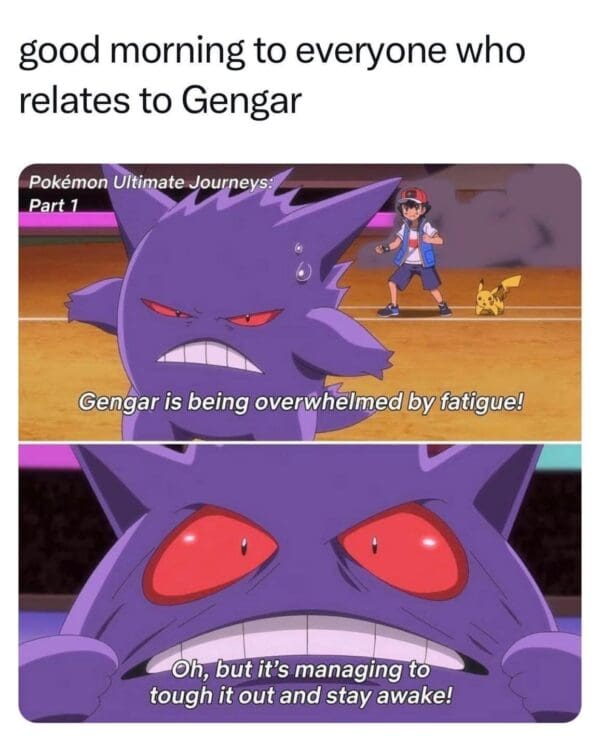
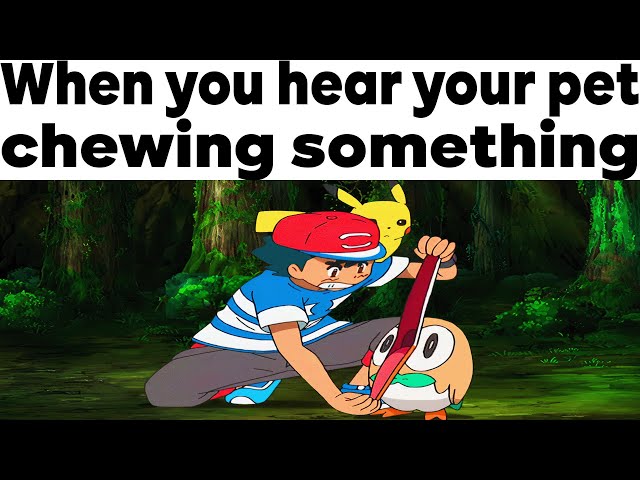
So, this weekend is the big yearly Pokemon Go event. They have many events, but this is typically the biggest one of the year. The Global one runs from 10-6 on Saturday and Sunday with each day having some different events and Pokemon. This means you need to play both days to get everything. This includes increased chances of catching special versions of Pokemon, doing unique raids for legendary Pokemon, and just having fun with all of the other players in the area. I have my son for the weekend too, which means I get to spend it with him. I leave you with some funny memes even though I know most of my audience doesn’t care.
Really, this is just a father/son weekend after a rough school year for both of us. Definitely needed.




Made it to the summer and I get a week off until I’m back for a summer session. It’s completely voluntary, so don’t feel sorry for me. I’ll get another 1.5 weeks near the end, which I’m hoping to use for new writing. Fingers crossed.
Diving right into the writing side of things, I didn’t get the third chapter typed in like I had hoped. Darwin & the Beast Collector made some progress, but I got caught up in stuff last weekend. Mostly, I was supposed to get 3 hours with my son and planned things around that. His friends wanted to do a hangout at that time, so I forfeited the block. I was happy he got to see his friends since they usually just do Facetime. Still, I was a little down that I didn’t get to spend time with him, but that’s something I have to get used to as he grows up. Time with friends is less common than with his old man even with a 50/50 custody schedule. Anyway, the change meant I had to do things in a different order and I only got 2 chapters done. Part of a third was completely Wednesday night . . . Using what little energy I had.
There were two big obstacles. One was that this was the week leading up to Pokemon Go-Fest, which is the biggest event of the year for this game. So, special mini-events were done every night while this weekend is the big one from 10-6 both days. Guess you know where my son and I are going to be today and tomorrow. That would be the park, which my plantar fasciitis isn’t thrilled about. The foot roller is helping as I write this, but the damn thing tickles far too much. The pain is worth it to see my son enjoy himself, relax, and get some exercise. Last year, he was with his mom, so I’m thrilled that I get this experience with him this time.
The second obstacle was the heat. Starting Sunday night, we had high 90’s and even low 100’s until Wednesday. Tuesday was the worst and my car’s air conditioner could barely make a dent. The unit in our classroom was struggling as well, so I ended the workdays drained only for it to be Pokemon time. We hit the park on Monday when it wasn’t so bad, but Tuesday forced us to the mall. It was still warm and humid in there, so we left feeling gross. Recovering from that took precedence, so I wasn’t able to do any editing. Too busy rehydrating, staying cool, and icing my feet. On the plus side, I got a lot of puzzle time done.
I did accomplish a little blog planning though. Picked out the Sunday topics for September, which I’ll work on when my son is doing his summer reading or getting ready for bed. Made a list of October posts too. The theme this year is going to be different types of ghosts, which I hope goes well. I won’t bother with the Sunday posts for that month or even write the ghost ones for a while. My plan here is to keep myself ahead in order to give myself more writing time. So, I’m only going to prep blog posts when my son is here and busy doing his own thing. I feel like this will allow me to make progress on my blog and editing at equal rates. That and I never know when he’s going to decide it’s father/son time, so pausing a blog post is easier on the nerves.
The first half of next week is for my son and then he’s with his mom. So, we’re going to relax, play Pokemon, try to see a movie with friends, and make some headway on various shows. Once he’s with his mom, I’m going to have to get a few personal situations taken care of while editing. There’s a week-long Pokemon event, but I can do that at my leisure, especially since I’m not going to do much for July 4th. I don’t find fireworks that enjoyable these days and the local drone show isn’t as much fun without my son there to share it. If any friends invite me out, I’ll go, but I might just seclude myself in the house with editing, the Roku, and a bottle of seltzer.
Noticed I lost a few reviews on my books just now. I’m betting they were 4-5 stars since negative reviews never disappear. Good to see this issue continues with Amazon, but I guess it means the person’s account was removed. Honestly, I don’t care as much as I used to, but it’s still eye-catching.
Hope everyone else has a comfortable start to the summer. Probably missed something, but it’s been a wild week. Goals?
The title says it all. It was a challenging and busy year, but I made it to the end. I think since I always schedule my weekday posts in advance. Let’s assume I did. Anyway, tomorrow is Pokemon Go-Fest, which means my summer is starting off with a weekend full of excitement with my son. I’m doing summer school too, but that should go fairly smoothly. Depends on the weather. Hope everyone else who works in education had a good year and gets to either rest or get stuff done this summer. Enjoy the funnies.
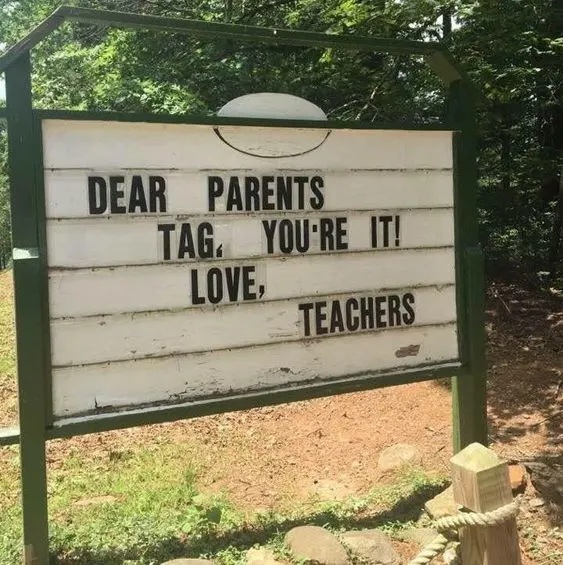




I have heard of this happening on the last day

More or less for some of us

(A fun creation that I have yet to put into a book.)
They emerged
Upon the start of all
Born from the corpse
Of a timeless void
Murdered
By the opening of history
Called the Scholar Flies
They form the greatest swarm
Releasing a thunderous hum
As if they are pondering
All the mysteries
The world has yet to see
The Scholar Flies are simple
With crimson carapaces
And hairy legs
Their composite eyes
Twinkle with the sunlight
Or is that raw intelligence?
Gifted with a mind
Composed of all their thoughts
Existing outside time
They never forget
While they eyes record
The events of every era
These flies disperse
Upon their second day
Spreading
Among the many realms
Driven by a primal lust
Implanted by the gods
History unfolds
Before their lidless eyes
The Scholar Flies will watch
Creating a natural library
Of purest thought
To be saved on the final day
Greetings Storytellers, Diana here with a scintillating post on the topic of possession! We’re not talking about ghosts and demons, but ownership—…
Punctuation Part VI: Apostrophes & Possession (‘s)

Google Image Search
As this school year comes to a close, I’m wondering what some people think about education. I know this is a dangerous subject, especially since I’ve found that many don’t know how our system works. The amount of times I’ve had to explain how the DOE, state tests, state standards, and other things work is crazy. Doesn’t help that I’m just a TA, so I’m not a reigning expert. Anyway, let’s try to keep this civil and sensible.
Also, I do want to mention something that I’ve run into every year. Somebody always talks about teachers getting the summer off, which makes it an easy gig. The reality is that many teachers don’t really take the time off. Many teach summer school, do their mandatory professional development, get certifications to improve their knowledge base, prepare lessons for the next year, go to events that help them learn about the changes in their subjects, and other things that can’t be done during a normal school year. All of this is during a period where one doesn’t get a paycheck until September. So, don’t think that summer is always smooth sailing even if a teacher can get a week or two to do nothing at all. Most really don’t.
I have been blogging for thirteen years and have loved every minute. I originally started because I needed a platform to showcase my novels. Well, I …
A Message from Me to You



 Legends of Windemere