So, today is the National Pink Flamingo Day, which is about these guys:
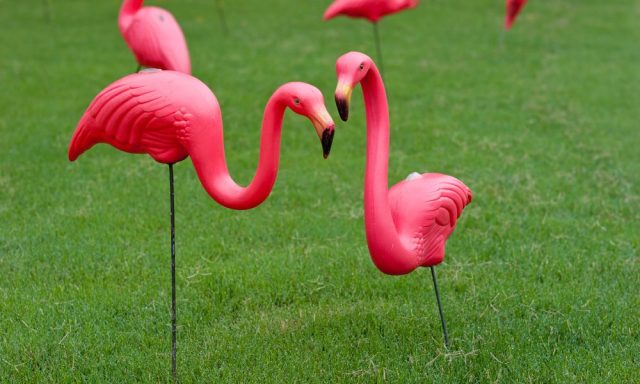
Not Real Flamingos
I thought it would be more interesting to do a post about the real thing. After all, flamingos are one of the most identifiable and popular birds around. Their pink coloration, long necks, and how they stand on one leg are practically iconic in the animal kingdom. They’re also filter feeders and eat by straining food from mud, which involves eating with their heads upside down. Really cool.
Also, none of the 6 species are endangered. That means, we can dive right into the pictures (all found with Google Image Search) and videos.

Greater Flamingo
This is the Greater Flamingo, which has the greatest range. It’s also the largest. They’re found in Africa, Southern Europe, and South/Southwest Asia.
Lesser Flamingo
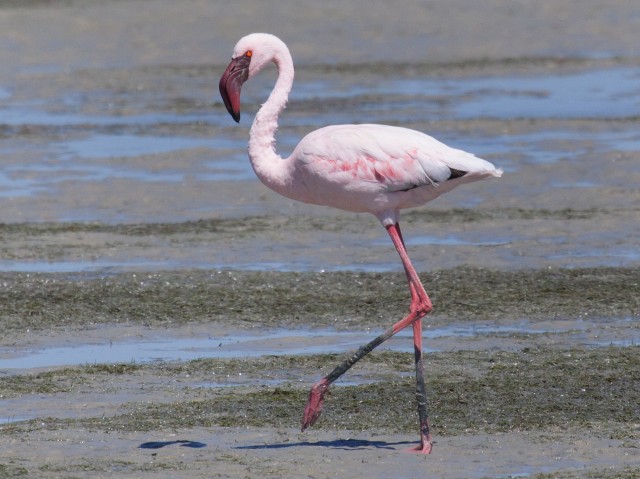
The Lesser Flamingo is found in Sub-Saharan Africa and western India. These are actually the smallest flamingo species.
Chilean Flamingo
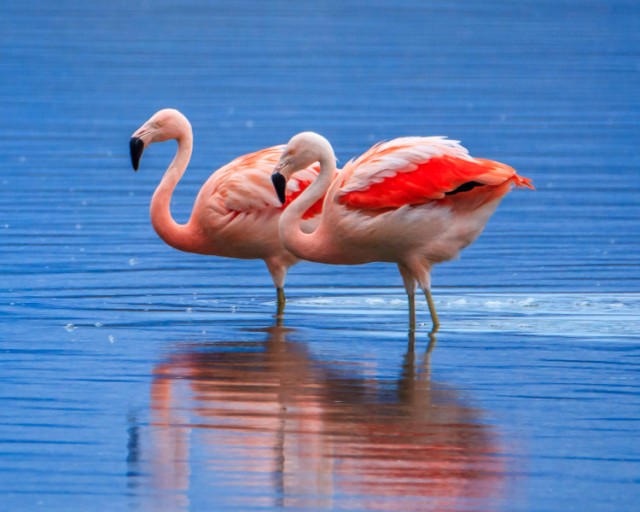
Found in South America, the Chilean Flamingo is considered near threatened. This is because they live in salt lagoons and soda lakes, which are at risk of pollution. Some have been introduced to the Netherlands.
James’s Flamingo
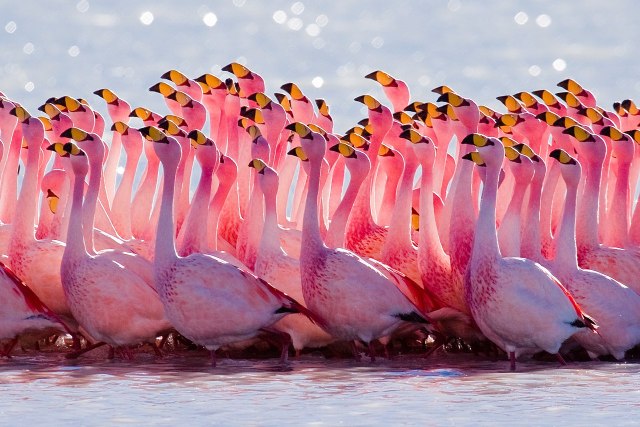
The James’s Flamingo has more yellow in its beak than other species. The live in the higher altitude plateaus of the Andes like in Peru and Bolivia. They were thought to be extinct until a colony was found in 1956.
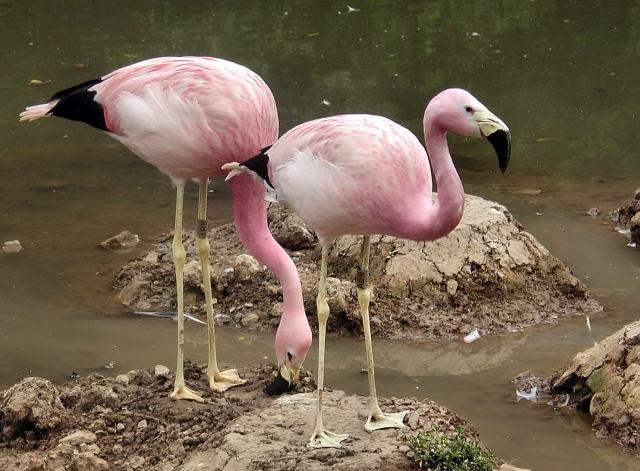
Andean Flamingo
The Andean Flamingo is closely related to the James’s Flamingo. They live in the same region too. You can see in the pictures that they differ in beak color. This one also has a deeper mandible than other species. Mining has made this species vulnerable.
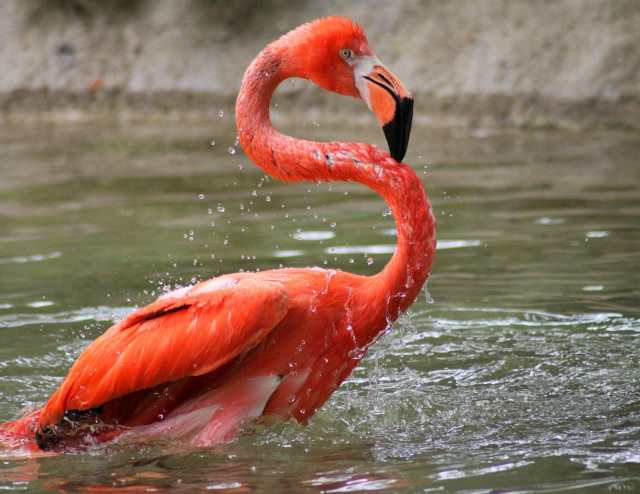
American Flamingo
The American or Caribbean Flamingo is the only one that inhabits North America, but it isn’t exclusive to the continent. It can be found in the Caribbean, Florida, Belize, Colombia, Brazil, and Venezula.
Here’s an informative video to learn more: