Hello, SE’ers! It’s Jan again to discuss another metaphysical element we can include in many different ways in our fiction stories. You may …
Metaphysical Elements in fiction writing – #meditation
Hello, SE’ers! It’s Jan again to discuss another metaphysical element we can include in many different ways in our fiction stories. You may …
Metaphysical Elements in fiction writing – #meditation
Welcome back for Part 2 of the fox posts. I realized after last week that this isn’t really Halloween or scary themed like one would expect. Maybe I should have gone for creepier animals. Well, I’ll have the last 2 Sundays of October to do that. For now, I want to stick with the foxes.
The 6 species in this post are all members of the Lycalopex genus. They are the South American foxes. I should point out that these are not considered ‘true foxes’. They are more closely related to jackals and wolves. So were the species from last weekend, but I forgot to mention that. Sorry.
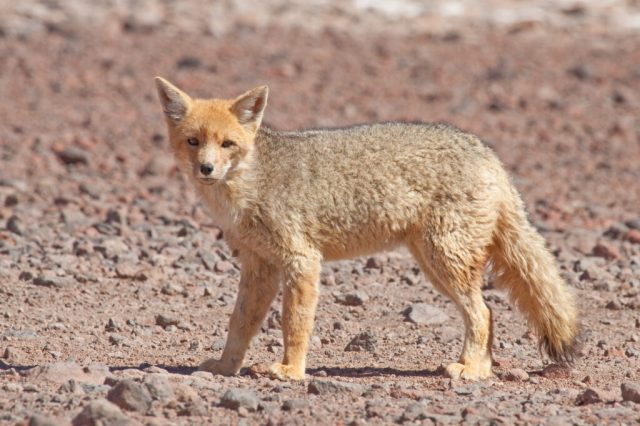
Culpeo- Least Concerned (Also called Andean Fox, Paramo Wolf, or Andean Wolf.)
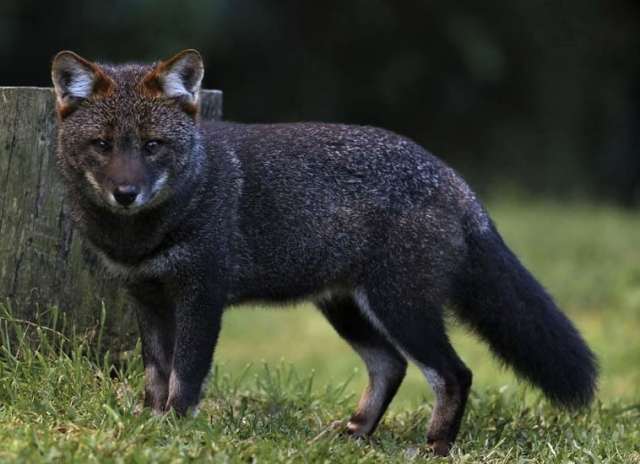
Darwin’s Fox- Endangered (Upgraded from Critically Endangered in 2016)
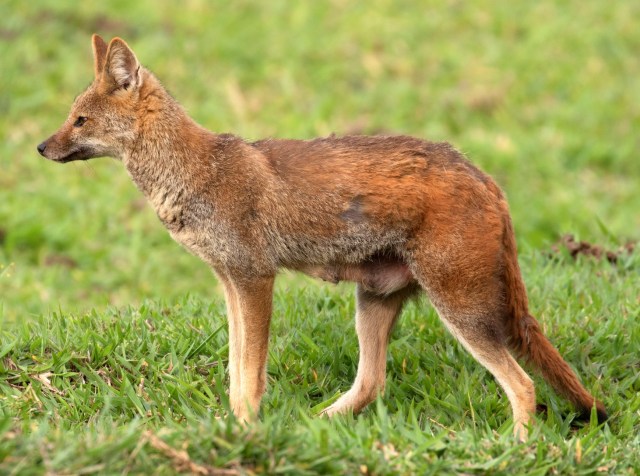
Hoary Fox- Least Concern (Also called Hoary Zorro. Zorro is Spanish for fox and used for all members of this genus.)
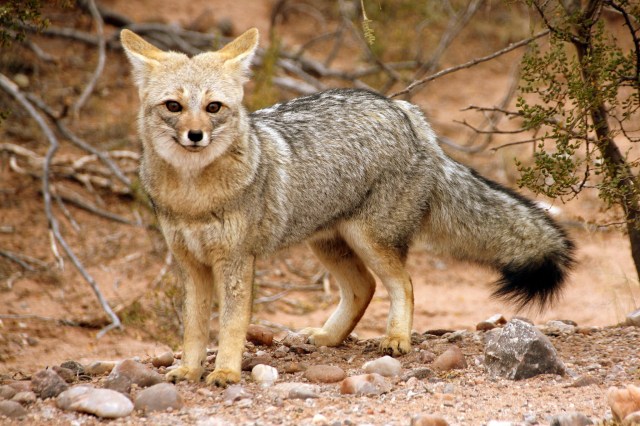
Pampas Fox- Least Concern (Also called Azara’s Fox or Grey Pampean Fox.)
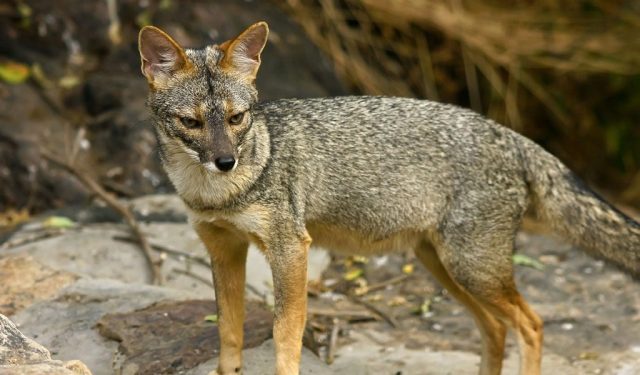
Sechuran Fox- Near Threatened (Also called Peruvian Desert Fox.)
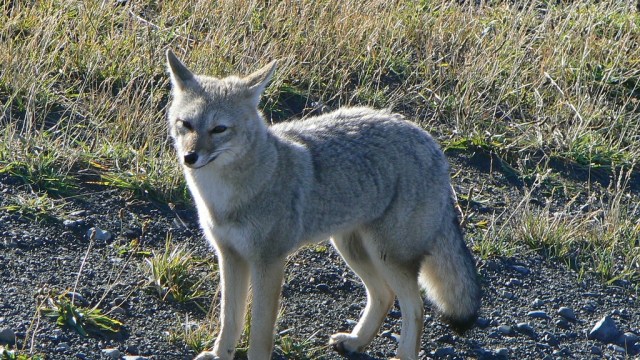
South American Gray Fox- Least Concern (Also called the Patagonian Fox, chilla, or gray zorro.)
I was tempted to skip doing a goal post for the first time since I began them. Then, I realized that I had nothing else to talk about.
This was just an exhausting, rough week that has life me incredibly stressed. It’s gotten to the point where I’m getting body itches and feeling sick. No fever, oxygen issues, or anything more than being tired. There’s a cough that only shows up when I start thinking about the rough stuff. Allergies are still giving me trouble too. So, I’m glad to have a 3-day weekend to rest and recover.
Sadly, I can’t go into details or even generalities about why the week went bad. Life event is still going on. My son had some challenges at school, but at least we made it through those. Work was busy and tiring. Maybe there was just something in the air that made things go crazy at times. Could be pollen, but that wouldn’t explain anything more than my gasping for air.
On the writing front, I did finish two chapters of Darwin & the Beast Collector last weekend. Technically, I wrote one chapter and realized the next one was really treading water around a single key event. So, I mashed the 3 chapter sections together and put it at the beginning of the next one. Well, I will next weekend when I get some writing time. I still want to call last weekend a ‘2 chapter victory’. Means I only have 5 more to go and the 3rd act is kicking off earlier than planned.
I did get to tinker with my notebook for 10 minutes at work. So, I got to write most of the background of a character in ‘Phi Beta Files’. It’s a secondary character, but it was the last of a group that plays a big role in the second book. Still not 100% certain about a few things too. I’m about to design the supporting cast for the main characters, which is a rather meaty group. They’ll all be recruited for various specialties in the second book and then I have to figure out how to have them show up at times. They’ll be part of the Phi Beta house, but they aren’t the mission agents. We’re talking people like explosive experts, enchanters, horse breeders, healers, bards, etc. I don’t want to have them show up and then never be important again. I’m tempted to put all of their names into a hat and draw to choose random ones to be part of the non-mission antics that the main 4 are going to be known for. Might be a fun challenge too because solutions to problems will depend on who I pull from the hat.
Only other thing that happened this weekend was that I got the call about picking up a CPAP machine. I might be getting a good night’s sleep before next week is done. The person who talked to me about picking up talked about my tests and was surprised that I had an oral device in at the time. Apparently, that boosts me from moderate to severe sleep apnea. Just barely. The CPAP should help me with sleep and that can help me get energy for losing weight too. A lot of health issues may start to reverse once I get my sleep back to functional human level.
This weekend will be a bunch of fun with my son. Well, we have homework too and I promised to let him play Mario 64 on the Switch. All that will be today when it’s raining too much for Pokemon Go. Need to take advantage of the good weather because it will be too cold to walk around before we know it. Going to the zoo tomorrow night for a special event too. After years of missing out on event tickets for this time of year, I finally got some and we get to visit an ‘after hours’ event. That means seeing animals active at night as well as a jack o’ lantern display. Totally worth being tired the next day.
With the shortened work week, I’m not planning much until the weekend. I don’t have any major appointments or events. Things can pop up, especially with the life event. Be nice to not have any drama, especially since I don’t have my CPAP machine yet. I’m really putting a lot of hope on that machine. Let’s get to the goals . . . Oh, I watched ‘Castlevania: Nocturne’ on Netflix and really liked it. Recommended for people who enjoyed the first series.
Goals of the week:
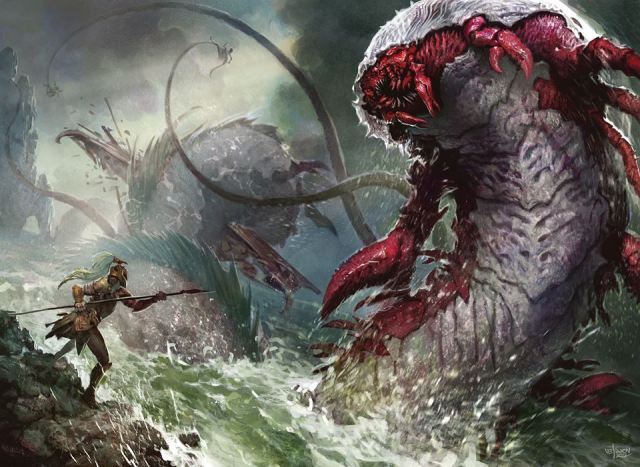
Google Image Search
This was a headache to research because ‘Scolopendra’ is the family of large tropical centipedes. Considering this creature is a sea monster, you can imagine how tough it was to find a semi-decent picture. Everything was centipedes until I added mythology, folklore, sea monster, and other words to the search. It wasn’t any easy getting information either.
This sea monster is from Greek mythology and what I found doesn’t really match the picture above. In ‘Aelian, on Animals’, it is said to be the biggest of sea monsters. It has large, hairy nostrils and the tail of a crayfish. It has multiple webbed feet and large claws. There are some stories that have the Skolopendra with the head of a whale, which might mean someone saw a baleen whale and mistook it for a monster. It was said to be big enough to smash ships with its tail, but it didn’t go near fire.
Supposedly, this was the largest monster child of two gods. The father was Phorkys the sea-god of the hidden deep whose name might mean seal. The mother was Keto the goddess of sea monster and marine life. Her name means whale or sea-monster. All of their children were horrifying sea monsters, which includes the Gorgons, Skylla, Ladon, Thoosa (mother of the Polyphemus), Echidna (in some legends), and the Graiai. I only recognize a few names in there.
Some stories have the Skolopendra being rather docile and neutral unless it was provoked to violence. So, it would sit around waiting to be hooked and then dislodge its bowels to get itself free. If a ship got too close, it would destroy it, but nobody ever had the courage to look at it if it was caught. So, violent encounters would have been accidental. Maybe Hercules dealt with it, but I think I may have just found some Greek mythology fan fiction.
Unfortunately, that’s all I could find on the Skolopendra. I found that nearly all of the obscure sea monsters I tried to research resulted in the same scarcity of information. The Kraken and leviathan were pretty much it. Found the giant fish version of Bahamut too, but that wasn’t a lot thanks to Final Fantasy. Even Carcinus (who I think became the Cancer zodiac sign) and Capricorn weren’t giving me much. So, here is the Skolopendra in all of its simple glory.

Greetings Storytellers. Diana here. With NaNoWriMo looming in the future, I’m taking a short intermission from my “tightening your prose” series to …
Nanowrimo – Redefining a Win

Muses
(This was a fun one dealing with times when you can’t get your imagination running correctly.)
Our spirit of inspiration
Gentle pixie on our shoulder
With her ink-stained wings
And body cloaked in paint
Flitting on the edge of thought
Heard just enough to guide our dreams
Her power is at our cores
Dwelling in our mind and heart
She balances upon a scale
Held aloft by our self-worth
Easily tipped to madness
And swallowed by despair
She is a fragile creature
That can break at any moment
Leaving us a twitching husk
Adrift in harsh reality
With no wings to help us soar
No voice to call us home
She cannot die for good
Unless we will it to be so
We can fight to bring her back
Absorb the pain that made her fall
Using it to forge new strength
And revive our fragile muse

Google Image Search
This is a beast found around Brazil, Peru, and Venezuela and is supposedly at least seven feet tall. So, it’s really big and appears to be similar to a Sasquatch and Yeti. Really that’s only because it’s big and has a lot of fur. It moves silently through the jungles too. Makes it a really curious addition to the month.
Mapinguari descriptions can be all over the map. It tends to be big with fur and a foul stench, but then descriptions go in various directions. The more fantastical version gives them a single eye and a second mouth in their stomach, which either releases the bad smell or a terrifying roar. More mundane various give them a monkey’s face, a burrow’s snout, anteater-like claws, backwards feet, humped backs, tortoise necks, and/or hairless chests. They are also known to be arrow and bulletproof in some stories with the exception of the eyes, mouth, bellybutton, and the rest of the head. This could mean that they have armored skin beneath the fur.
These animals can walk on four or two feet, but they aren’t very graceful as bipeds. Then again, other stories have them as being agile. Mapinguari tend to be nocturnal in the stories. Their diets depend on where you hear about them though. Some areas say they eat vegetation and use their claws to tear pieces off trees. Others say they slaughter cows to eat their tongues. I couldn’t find anything about them going after people, so I guess that’s a plus.
Of course, people said to have seen them and also killed them. You know scientists got curious at one point and went searching. They found nothing. One theory is that people mistook some tracks of a real animal as a fictional one because they were disfigured for some reason. Another theory is that there are giant sloths in the jungle even after all of these centuries. That wouldn’t explain having one eye and a stomach mouth, but it would work with the less horrifying versions that eat plants. A third possibility is people were scared by a spectacled bear, which wasn’t entirely in view, and went running before getting a clear look.
There is some folklore around the Mapinguari. First, villages would move if they found the tracks or heard the roar of one. They didn’t want to go near it. Part of the reason may have been the smell, which resulted in the creature being surrounded by flies. They were sometimes described as being followed by peccaries (wild pigs) and having a relationship with the animals. This connects to a version that is a spirit who punishes hunters that kill more than they need to survive. Makes sense because a lot of cultures have spirits and creatures designed to stop people from overhunting.
A possible origin story from Brazil says that the Mapinguari was a shaman who found the secret to immortality. This was thousands of years ago. Of course, he angered the gods and was turned into a monstrous beast. He lived forever, but was cursed to do so as a this creature. Poor guy.

The next few posts from me will look at the nuances of properly writing compelling dialogue. Today’s Part 1 is in the form of a dialogue-heavy short …
Finessing Dialogue Part 1

I’m still trying to promote Goodbye Old Paint. There will be a few posts on alternate sites, but a few of these will post here, too. The publishing …
In which I am a little thick

It is a pleasure to have Dan Antion visit Fiction Favorites, as Dan and I have been following each other since November 2014. I think we all enjoy …
Guest Post – Dan Antion to introduce – Secrets Held Against Evil #newbook