Google Image Search
I was thinking about this topic when I overheard a conversation. It was a bunch of people making fun of the ‘Martha’ scene in “Batman v Superman’. Many found this to be ridiculous and stupid. I never really understood this since I saw it as something deeper than what you see on the screen. What do I mean?
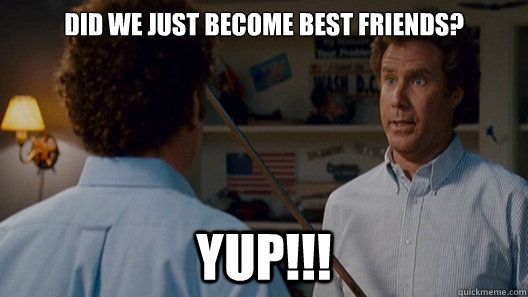
Well, Bruce Wayne is Batman because of the trauma he suffered from the death of his parents. He has spent the entire movie treating Superman like an unnatural, inhuman alien. Hearing the name ‘Martha’ shocks him and then he hears that it is also the name of Superman’s mom. In my mind, this made him realize that Superman is more human than he realized. He has a living mother who is about to suffer the same fate as his own. An understanding or mild acceptance occurs. Unfortunately, you have to come up with this on your own since it isn’t outright said in the movie. Lots of hinting and a hope that people realize men have an odd habit of becoming friends over some ridiculous stuff. Seriously, men can bond over almost anything.
For those who haven’t rushed to the comments to argue about the scene, I want to talk about intent. This is when an author is hoping to bring a point across. Sometimes, they are blunt and make it clear what they are trying to say. Other times, they attempt to be subtle and depend on the audience coming to their own conclusions. This second method is where you run into the following risks:
- The audience creating different messages and arguing about them instead of polite discussion.
- The audience missing the message entirely and treating your creation as a fluff, shallow piece.
- The audience missing the message and making fun of scenes that make sense in specific mental context.
Effectively adding any message to a story requires that the audience does some of the legwork. Flat out telling them the message ends up removing some of the mystery and depth of the story. People might not enjoy as much and certainly won’t bother with a second reading since you’ve told them the big mystery. There’s no more urge to analyze and see if you missed anything. It has all been revealed. So, you need the audience to figure at least some of the big stuff on their own.
As I said, that’s where the problem can come into play. An author knows where all of the pieces go because we made the puzzle and broke it apart. A reader doesn’t have a clear guide to work with and some of the pieces can be put in differently. This results in a reader using the information intentionally given and some that were accidentally added to create their own message. I’d like to give an example, but anything can turn into a hidden sign if a person takes it a specific way. It’s part of the curiosity that most readers hold since a part of them wants to get a clue about things before the finale. We don’t like to admit this, but being able to predict the ending is seen as an accomplishment.
So, what can you do? I would recommend doing an editing run specifically to make sure there are enough clues to make your intended message be the one most likely to be figured out. There’s nothing you can do to entirely prevent misinterpretations without stating outright what you wanted to say. So, you have to roll with the punches and try to see where people are coming from. Maybe what the audience comes up with gives you an idea for the future of the story. It could very well mix with what you originally meant to say and give it more depth. On the other hand, it could be so far off the mark that you can’t acknowledge it without ruining the whole story. You have to love the challenges that come from readers being individuals with their own thoughts and experiences.