Google Image Search
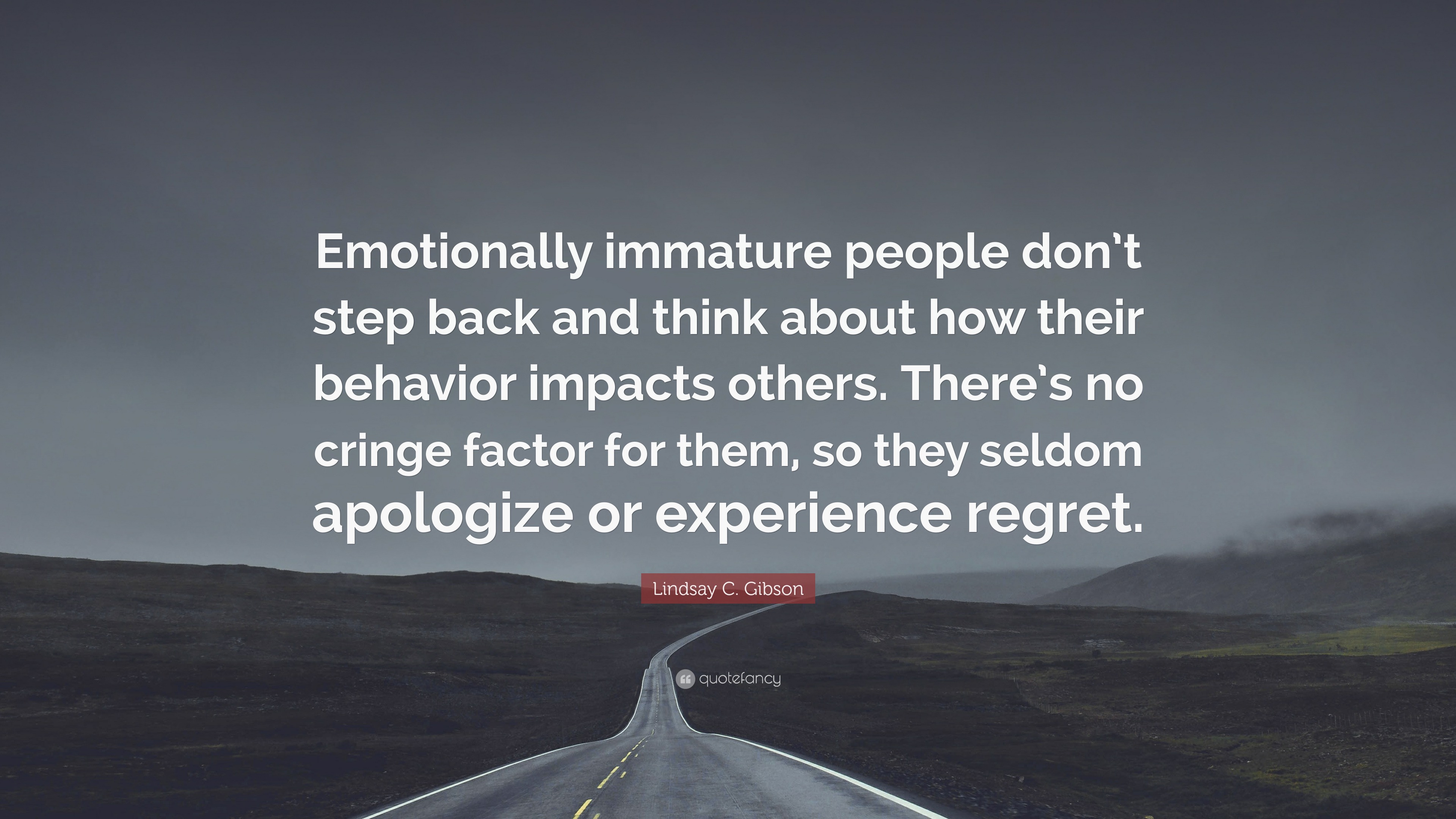
Know the above quote for a fact, but we’re going to stick to fiction. ‘Maturity vs Immaturity’ is the tried and true ‘Coming of Age’ story. What can we really say about that theme?
First of all, this is a more challenging theme to work on than people may think. The issue is the audience. Many people mistake immaturity for stupidity, so they get upset about actions taken. Adult readers don’t always remember what they were like as teenagers, so they read the stories with their mature lens. Some also forget that maturity is the same across the board, so a character might be lacking in some areas. Personal experience and beliefs play a bigger role in this type of story than we would like to admit.
There isn’t a clear solution to this problem. The characters need to grow at a natural pace, but one that fits them and their situation. Readers might get halfway through and think maturity should have been reached. Gets even more difficult when you factor in that such things tend to be rollercoasters. Maturing isn’t just a straight path. We can all go backwards, so having that in a story makes the pacing much more difficult.
A key part of this theme is internal, personal growth. I think this makes it very different than the previous themes. All of those had either external conclusions (life, death, etc.) or viewable by the outside ones (accomplishment/failure). Maturity is all internal even if people are judging you for your actions. It’s how you feel and think as you gain experience and wisdom. This doesn’t mean you can handle every situation, but new ones create more growth. Maybe characters, like all people, never reach perfect maturity, but that’s not really what we’re here to talk about.
How do we show maturity though? An easy way is to have a character’s thoughts be shown in a story. I’m not a fan of that, so I go more with actions. Like in real life, we tend to judge a person’s maturity by how they speak and act. In a story, having them face similar decisions at the beginning and end can help. Choosing the immature option reveals where they are starting and making the mature decision later on tells you how far they have come as a person. This doesn’t mean the author or reader has to agree with what they are doing, but there will be a recognition of growth.
One thing I really like about the ‘maturity vs immaturity’ theme is that it can be as versatile as romance in terms of genre. You can fit it into nearly any story. Even better than romance, it doesn’t really take away because it’s a personal quest. A hero going on an adventure can have a coming of age story, which is nothing more than the trials and challenges they face. It would be the same with a mature character only without the same amount of growth. The point of the theme is growth on a personal level instead of anything external.
I would like to point out that you can fail in a ‘coming of age’ story. I’ve seen some people say that it 0nly counts if the person matures, but I think it still works if the character doesn’t grow. Failure should always be an option in a story, which would be nothing more than getting the bad ending. The character could lose those who care about them or whatever depended on them maturing. After all, we’ve seen these types of stories play out in real life too.
What do you think of ‘maturity vs immaturity’ stories?