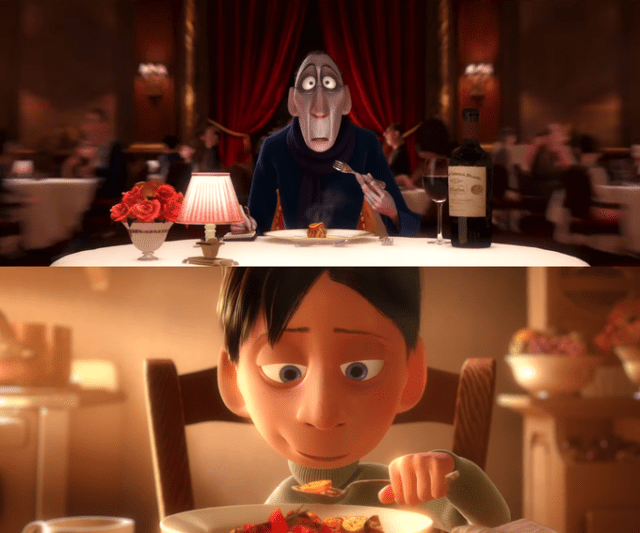
Aquaman
Flashbacks are popular. They’re also misused all the time because people think they can be dropped in whenever they want. It’s like having a smooth ride and then throwing a cardboard box in the way. Sure, you might run it over, drag it for a while, and get back on track. You could also get it stuck in the undercarriage and never recover because damage has been done. Fine, I stretched for that analogy. Let’s get to the tips.
- Use flashbacks sparingly! If every third scene is a flashback then you have to rethink the overall story. This means that you’re spending nearly as much time in the past as you are in the present. Flashbacks are supposed to be informative and to help reveal things without info dumping. They shouldn’t be repeatedly sucking the air out of the main story. Think of using only one flashback unless you build jumping back and forth into the narrative.
- Flashbacks that happen after the action has started need a trigger. You have to justify stepping away from the main story and stepping into the past. Without leading into the flashback, you create an abrupt transition that can jerk the reader out of the experience. They’ll be confused on what is going on and might put the book away for a while. I’ve read a few stories that did this and wondered if I had bought a copy that was missing pages or the publisher accidentally put pieces of another volume of the series in the book by accident. So, have a trigger such as a question or statement. You can even have a scene end on a cliffhanger that will lead into the flashback.
- Depending on how far back you’re going, the characters in the flashback need to look different than their modern day versions. If it’s only a few months, you won’t have to worry much. Years means they will certainly be younger unless they’re some kind of immortal. This isn’t just for physical description. Mental and emotional growth may need to be pushed back to have them act more their age.
- There has to be a reason for this to happen. A flashback needs to reveal, foreshadow, or explain an event connected to the main plot. Doing it simply to show a cool scene that has no real purpose won’t get you very far. Once the readers come back to the main plot, there is a high chance that they’ll notice you threw some pointless filler at their face. Have the focal point be informative because that’s the key reason to have a flashback.
- Never do a flashback in the middle of a scene with no warning. This sounds like an obvious tip, but it’s apparently done at times.
- Be careful introducing new characters in flashbacks, especially if they haven’t appeared in the present. They can be supporting characters with no impact, but they can’t be heavy hitters without an explanation as to their absence. If they aren’t supposed to be around in the present then you need to explain why. It doesn’t even have to be killing them off. They could have left between the flashback and present, which can be shown in a single sentence. It also helps to have these past influencers mentioned prior to the flashback. Otherwise, you have readers wondering why this important person is missing.
- If a flashback is so good that you want it to be more then try to fight the urge to extend. Instead, put information on the side and consider writing a short story or novella about that time period. Many side stories have been written because the author and/or readers found a view of the past intriguing.



 Businessman laying down in a suit isolated on white background
 August is affectionately known as the “dead month” in the publishing industry. During August all work comes to a virtual halt as editors, agents, proofreaders, typesetters, CEOs, dog walkers and everyone else on the planet takes a much-needed vacation.