Pixabay image Greetings, Storytellers. Diana here today to talk about echoes in our prose. Echoes aren’t always as obvious as the echo in my title, …
Writing Echoes: How to Avoid Echoes
Pixabay image Greetings, Storytellers. Diana here today to talk about echoes in our prose. Echoes aren’t always as obvious as the echo in my title, …
Writing Echoes: How to Avoid Echoes
Yahoo Image Search
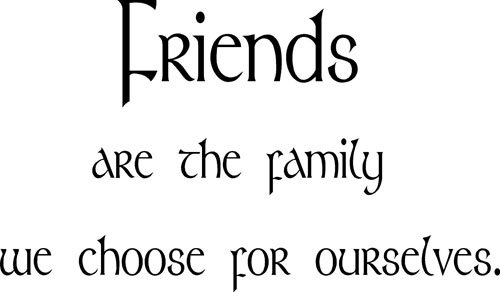
(I’ve met people who say family are forever. Others who say friends are the family we choose for ourselves. Really depends on how you’re treated by either group.)
You have no choice in family
They are there when you are born
The kinsmen by your side
Or throwing pains along your path
Supporting you when they agree
Dragging you down when they do not
They are a fickle crew
That you can never truly leave
You have a choice in friends
As you meet them in the world
The kindred spirits by your side
The ones who battle by your side
Shoulders marked with tears
And fights over growing tastes
Many friends will come and go
Yet the truest will remain
Which of the two are closer?
The ones of blood or bond
A simple question asked through time
An answer different for each asker

Originally posted on Alison Williams Writing: I often see authors on Twitter celebrating a publishing deal. I almost always have alarm bells ringing,…
The different types of publisher – make sure you know exactly what you’re signing up for #publishing #selfpublishing
Google Image Search
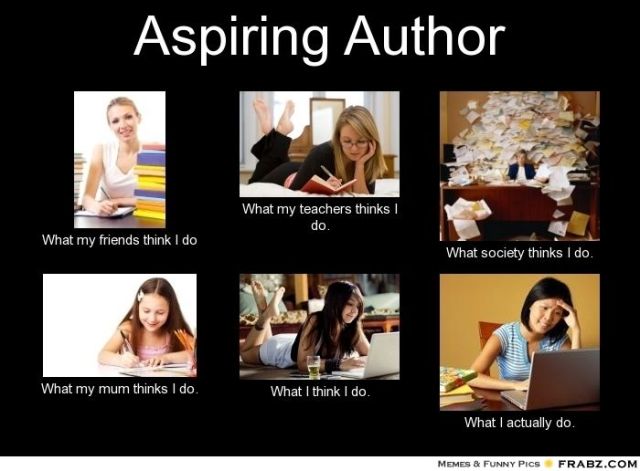
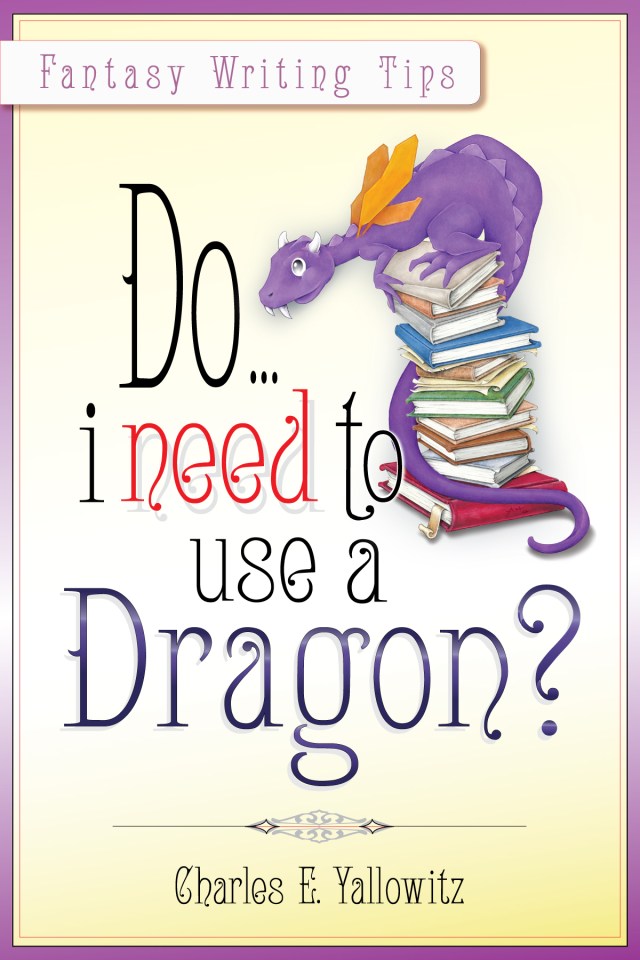
I’m not an expert on writing ‘How To’ books. In fact, Do I Need to Use a Dragon? will probably be the only advice book I write. (Get it now as a 99 cent eBook by clicking on the title!) Still, there are some things I considered and noticed in the way I wrote my advice. It may be helpful for someone else who wants to try to teach others how to do whatever activity they’re into.

Hi, SEers! It’s time for another Mae Day on Story Empire. Thanks for joining me for an up-close look at character occupations. This is one of the …
Choosing Your Character’s Occupation
Cover by Alison Hunt

I’ve been blessed to get an invitation to Fresh Ink Group’s “Voice of Indie Podcast,” once again. We’re doing this live on Wednesday at 7:00 East …
On the air… again
Spongebob Meme
With the release of Do I Need to Use a Dragon?, I’ve been doing some think on the overall process. Of course, this also got me thinking about the existence of ‘how to’ books in general. They’re a pretty big industry from what I can tell, which surprised me for about a minute. Then, I realized why they’re so popular.
Many people want to learn about a trade, art style, or activity. They don’t necessarily have access to courses or experts. Take someone who wants to be an author as an example. It always comes off as an easy undertaking until a person starts. Then, they’re told to take writing courses or join an author group. Yet, they might not have the money for the courses or be anywhere near a group. Others might not be confident enough to take that step into a group because they think only serious authors are there. A ‘How To’ book will fill that void and give one insight into the path they are going to follow.
‘How To’ books have been around for a long time. One can even extend that time if we consider that textbooks and instruction manuals count. That is what ‘How To’ books do at their core. They are written to instruct a reader on how to do something. They differ a little slightly from informative books because they aren’t simply telling you about their topic. A ‘How To’ book’s goal is to get you to understand the topic enough to do the activity on your own. That means, an author has to be very careful and clear in their descriptions.
That was something I noticed about a bunch of ‘how to write’ books that I checked out before tackling my attempt. Some authors were used a lot of jargon and spoke almost entirely about their internal process. It was almost biographical and someone just starting out might not understand the terms. This is why I tried to use simpler language and define anything that I thought might be labeled as jargon. I didn’t want my readers to be confused and think I was talking to people with more experience. After all, I want even the greenest of authors to get something from the book.
Perhaps ‘How To’ books go in levels too. I vaguely remember there being a few books that said beginner, intermediate, expert, hard, and a variety of difficulty descriptors. This makes sense considering you have people of different experiences and training looking for advice. A newcomer might be scared off by an expert level book while an experienced author won’t get much or anything out of a beginner book. That means the person writing the ‘How To’ needs to consider their audience. Probably more so than most other types of authors because these are instructional. You can’t aim for beginners and bombard them with language that only those with experience would understand.
A final point that crossed my mind with ‘How To’ books is to authors specifically. One of the reasons it was suggested by some for me to do this is because it might help sell my fiction books. I didn’t think much of it at the time. Now, I realize how this works. A person who likes your advice is more likely to check out your books to get a better sense of your style. At the very least, they will see it in action and see if you follow your own tips. It would hurt all of your books if you don’t practice what you preach. People would wonder why you wrote the advice in the first place and think you’re trying to trick them.
An author who writes a ‘How To’ would also have to use examples from their own books instead of others. This isn’t mandatory, but it makes things easier and safer. Some people told me to use LOTR, Narnia, GoT, and Harry Potter to prove my points in Do I Need to Use a Dragon? I realized pretty quickly that I’d get in trouble because I don’t have the rights to those. I could get in trouble for noting them since copyrights and trademarks are highly protected. This is why I think most authors who do a ‘How To’ stick to their own creations. You don’t run the risk of a lawsuit.
So, I’ll get more into my thoughts on the ‘How To’ genre throughout the summer. Don’t forget that Do I Need to Use a Dragon? is available on Amazon as a 99 cents eBook (for 1 month only) and a $20 paperback.

Greetings, SE’ers! Beem Weeks here with you again. Today, I’m going to talk a little about editing our work. We are writers. It’s what we do. Some …
Why Professional Editing is Vital for ALL Authors.
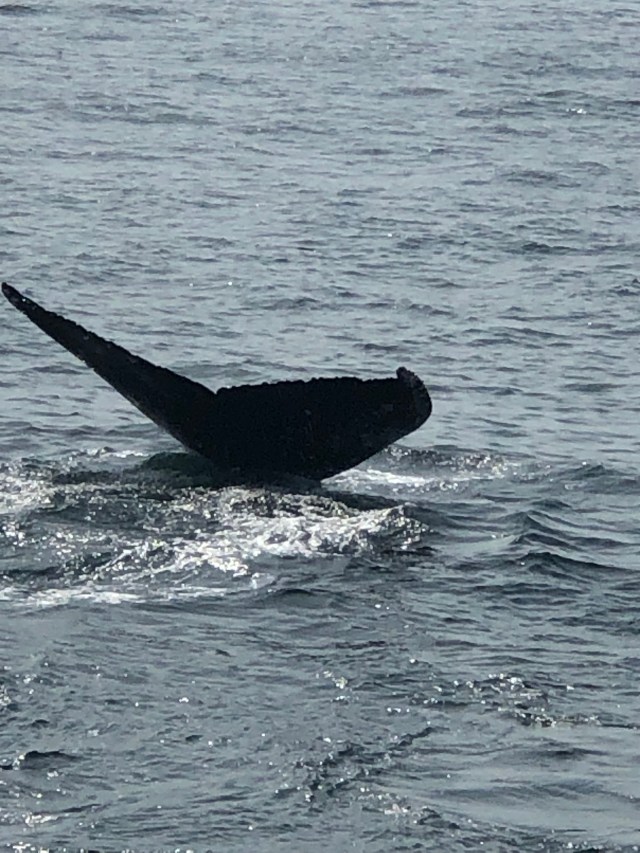
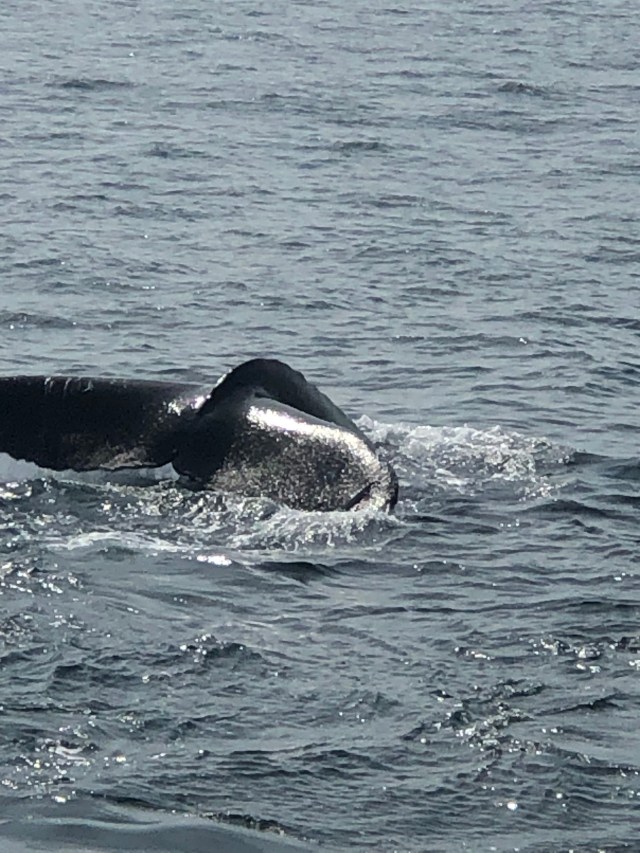
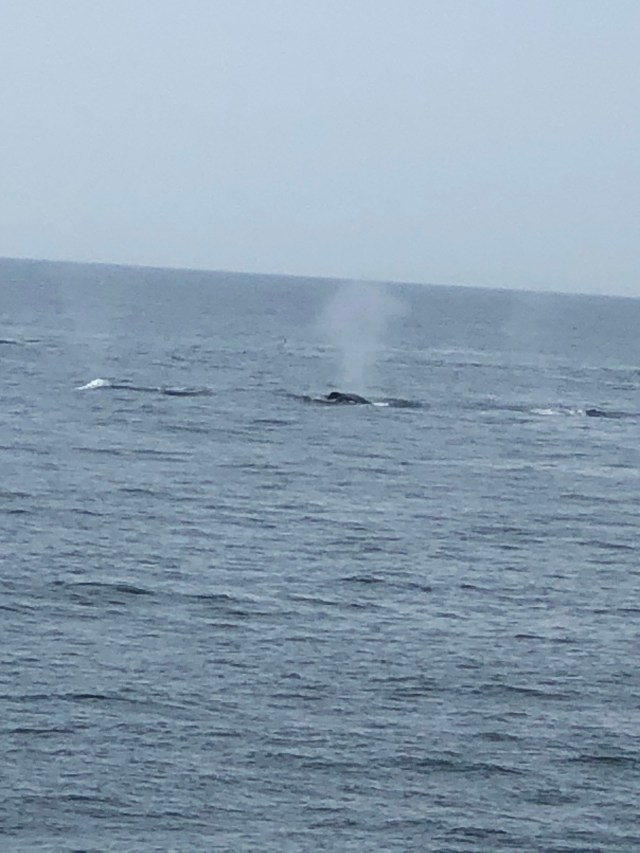
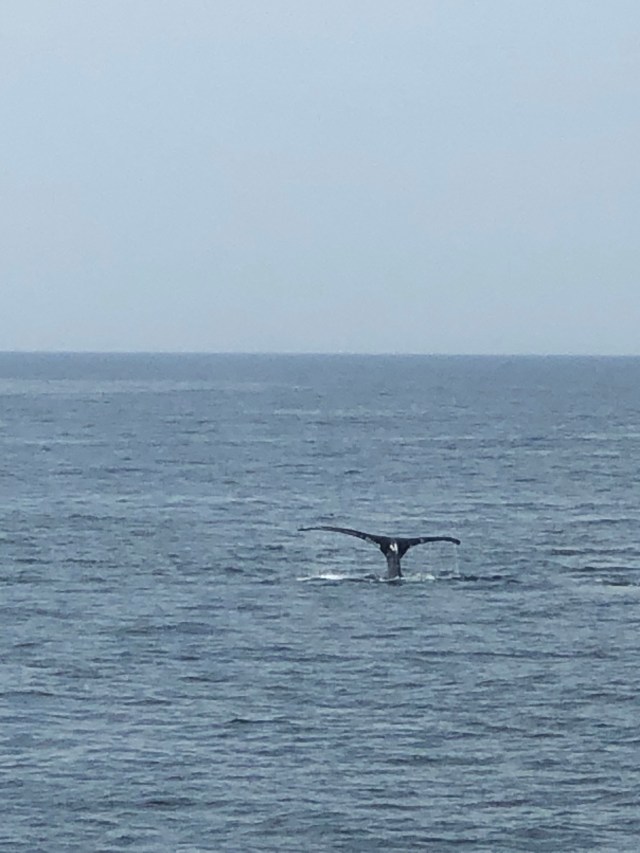
I know I should be promoting Do I Need to Use a Dragon? since it’s not even a week old. It’s still for sale as a 99 cent eBook though. It should be a $20 paperback as well. Still, I tend to do random stuff on Sundays because I need a day where I can follow whatever I think of. Today . . . Whale Watching.
I mentioned about a week ago that my family and I went to Cape Cod for a few days. It was a great trip with the highlight being going out for an afternoon to a marine preserve to see whales. We saw three species, but the minke and finbacks didn’t give me many chances for pictures. Everything you see here are the humpbacks, which came very close to the boat at times. Enjoy.