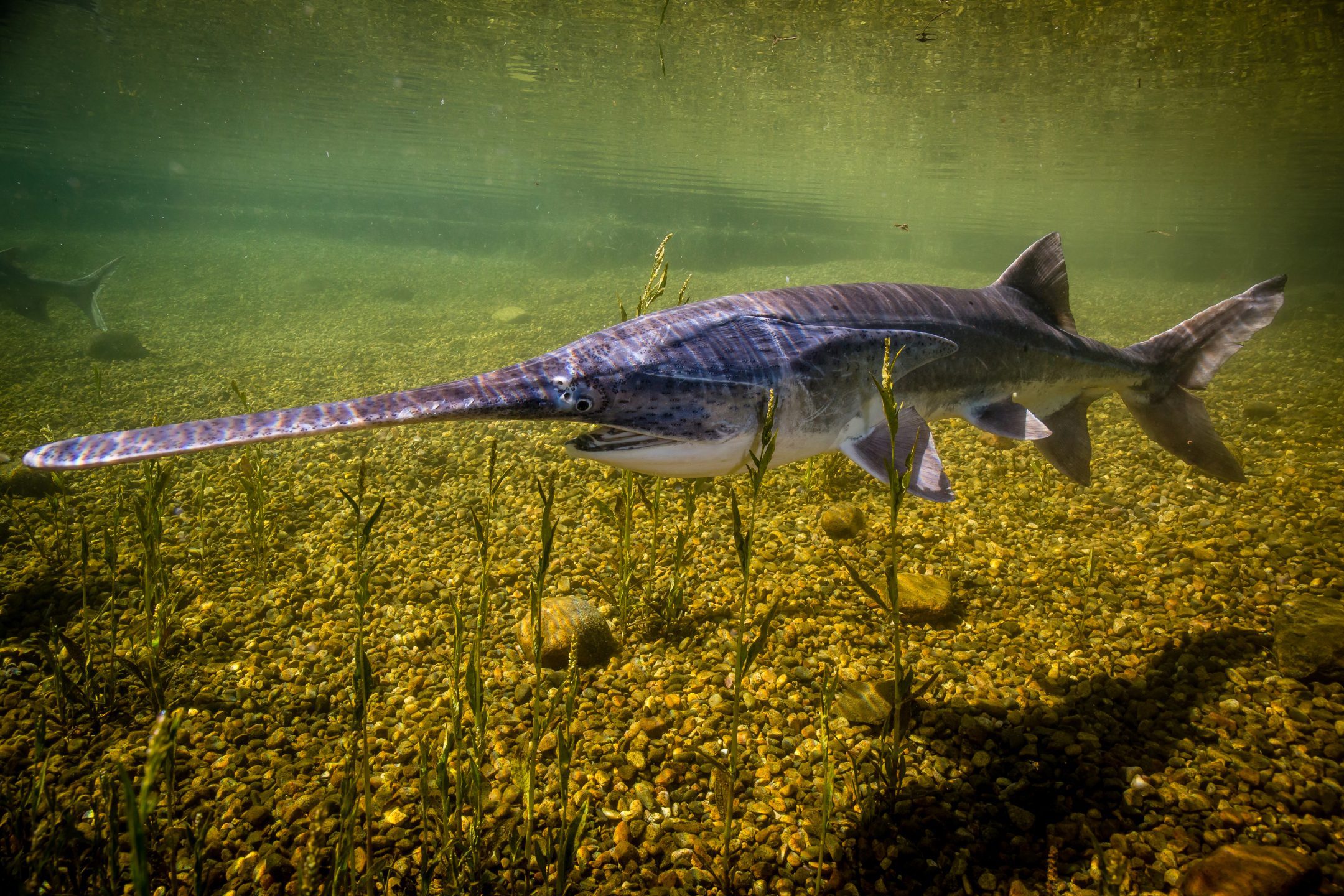
Figured I know enough tea drinkers to make this post with an audience. Also, it’s getting cold, so the holiday works. Wish it was hot cocoa day, but cold beggars can’t be choosers. So, what’s your favorite tea? (Mine is currently a Rose Lemonade tea.)
Panic attacks were the theme of the week. All happening around 3 am and preventing me from getting back to bed before work. I could have used Zzzquil to help, but I’m trying to not go back on that after using it for 22 months. This meant a lot of exhaustion during a week where I needed energy.
That isn’t to say I didn’t accomplish anything. Darwin & the Demon Game hand edits are almost ready to be typed in. Got 7 pages to go, which I could have finished if Sunday went smoothly. Around the time I finished making my lunch, I got a call that forced me to abandon my food and editing. So, I managed to finish the final battle chapter, but the closure one couldn’t be completed. Tried a few times during the week with only a single page getting edited. Might have time tonight to complete it though, so we’ll see if I can start printing Darwin & the Beast Collector.
The rest of the week was rough because it was really rainy, which set off my sinuses and made me tired. This meant the 4 appointments for my son, 1 appointment for me, my son’s winter concert, and a field trip took a massive toll on me. Managed to get out early on Monday, Thursday, and Friday to try mall walking before work. It wasn’t bad for 30 minutes or so. Helped me get the daily Pokemon Go stuff done and have a quiet period at the start of my day. As quiet as it can be when you’re in a relatively empty mall with Christmas music still playing.
Can’t say anything else really amazing happened. Didn’t even get to finish watching all of ‘Arcane’, which I might do this weekend when my son is asleep. This is making me realize that I never picked a series to watch during New Years Eve since I’m on my own. Only reason I’m going to make sure I make it to midnight is that I might get a call from my son afterwards. As for the show, I’m leaning towards another anime, but I’m finding that I have no urge to watch anything. For that matter, I don’t have an interest in doing anything either. Just worn out and mentally shot, which will change after 6 days of resting and 6 days of having my son. I’ll probably have finished watching ‘Penguin’ by New Years Eve too, so that’s out.
I did finish all of my holiday and December birthday shopping. Now it hurts whenever I buy food or gas since I know my accounts took a hit before they could recover from the car repairs and new laptop. Bought a bunch of cheap lunches that I can heat up during the break to avoid hitting up fast food every day. This will allow for more editing and Pokemon time too. Keep thinking something else is going to come up during the 6 days I don’t have my son. Probably not important or just minor things.
Next week is the last week of school before the break. I already know I’m entering it fairly battered. Really hope the panic attacks stop because I don’t want to take a day off at the finish line. Came close this week, but a few work situations made me suck it up and not make things worse. Got a sleep doctor appointment this week, which could help with the situation. Still, I’m going to keep an eye on how I’m feeling and not push myself to the point of collapsing as soon as break starts. Lots of edits to type in, Pokemon to catch, and . . . Whatever else happens.
Think I’ll take some time to look at the ‘end of year’ posts I made and see if I have to add anything. 2024 is continuing the body blows and haymakers, so I don’t know if I should bother adding to the ‘this sucked’ list. Really just dragging myself into 2025 and praying it doesn’t decide to be a darker sequel. There are ways things can be worse and I know of a few events next year that are going to prove challenging. Maybe the 2020’s are just a nightmare in general.
So, what are the goals of the week?
Finish editing Darwin & the Demon Game.
Spend time with son when he isn’t studying.
Make ice cream bread for work.
Complete more February blog posts.
Finish watching ‘Arcane’ and start in on ‘Penguin’.
Pokemon Go for exercise. Stationary bike if I can’t do much of it.
I’ve always wondered this when it comes to some stories involving a set location that has either high levels of science or magic. These are the ones where at least one person dies in every adventure. Not always random people too. You get named characters introduced in an episode and they are killed at some point. They had lives, connections, and an existence in that world. Then, they’re gone and are sometimes joined by others by the time the problem is solved.
While I get that this helps to raise the stakes in stories, it does come with a curious issue for me:
Why would people still live in these areas or attends these schools?
In the real world, a high death count would drive people away from an area. Only those who are unable to move away or believe they will be fine will stay. Yet, I can’t see many seeing the stats on these places and wanting to put their lives at risk. Some stories play this off as ‘the rewards outweigh the threat of death’, but that is not as common a mentality as one would imagine. Not when person flat out see or are affected by the lose of a community member. I can’t remember any stories where one or several people are killed in an incident then the next one has fewer characters due to a few deciding they want to be somewhere safer. It’s not even a discussion most of the time.
Now, I do know that this is for a story to continue. Heroes are heroes because they don’t give up. Same goes for their allies who might stay simply because they trust in their heroic friend. Still, the surrounding characters don’t really seem to run away. Is it just how humans work though? We have people living in regions where natural disasters are common and they’ve come to accept that fact. Many just shrug when a tornado or hurricane is coming. Guess if you survive enough, you just assume you will make it through and have to rebuild. Not sure if this falls under blind acceptance or pure stubbornness though. It could explain why this is found in fiction too without there being much discussion.
On the other hand, I do think there should be conversations about the possibility of leaving if the death count is high. 5 people being killed in a day by a magic spell run amok or a robotic experiment going berserk should have some people questioning their decision to stay. Perhaps it isn’t important if it isn’t the main characters doing it, but you don’t even see a mention of the tension at times. Nobody is scared of the next accident taking their life. Could it be that everyone thinks they’re the main character and will be safe from whatever happens? Lots of psychology to consider here when writing a story that continues after such events.
Personally, I don’t really know what to do here. Having a story stop because everyone is scared is definitely not a good idea. Yet, moving on with no mention of the fear and tension feels lazy. There is a simpler middle ground with having the emotions talked about and showing unnamed characters leaving. You don’t really reduce the population since they appear solely to be departing. Seems the easiest and cleanest way to tackle this and put a handful of readers at ease. Good chance that I’m not the majority in thinking about this problem.
So, what do you think about characters staying in areas with a high risk of death?
For those that never saw this SyFy show, ‘Eureka’ was about a secret town where all of these scientific geniuses lived. They created advances in various technologies and there were always things running amok. Jack Carter was made the town sheriff and he’s typically shown as the ‘Everyman’, which makes him the audience surrogate. Things have to be explained to him as he helps fix whatever mess is going on. After rewatching the series completely for the first time since it first aired, I have some thoughts on this character type.
The meme says ‘most stupid man’, but you have to understand that he’s in a town where everyone has genius-level IQs. This includes a highly intelligent dog. So, he’s not stupid, so much as your average human. I think this is a key point to such a character because they can’t be the smartest person in the room. In fact, they really should be the least knowledgeable to allow the actual geniuses to explain things that the audience needs to understand the story. If everyone knows all of the facts then essential information will not be said out loud. So, this character already serves an essential purpose for setting and background info.
Another talent or purpose for this character is to show how those of average intellect can still be smart. Something that ‘Eureka’ demonstrates is that geniuses can overthink things or get tunnel vision. Many characters will stay within a strict mindset during a crisis and have trouble budging. They have all of this knowledge, which they can’t quickly sift through because they either miss a small component or are following a faulty path of logic. Carter would ask a ‘stupid question’ by connecting previous ideas or machines to the problem, which would get the genius characters to divert to a plan that works. So, he is proven to be smart even if his IQ is the lowest in the room. This makes the character useful and not overshadowed by their peers.
I think this also demonstrates a division of mental abilities that one sees in Dungeons & Dragons, but works with any character design. The 6 stats are divided into 3 physical and 3 mental, but we only care about the second pairing. Charisma stands on its own, but you have Intelligence and Wisdom. I used to have trouble discerning these, but someone explained it like this:
“Intelligence is book smarts and Wisdom is street smarts.”
So, a character with high intelligence can have all of this knowledge and be able to logically figure stuff out with ease. If they have low wisdom, they will miss social cues, have trouble connecting things out of context, and suffer from the previously mentioned tunnel vision problem. A character with wisdom might not have absorbed all of the detailed knowledge, but they can work off instinct and awareness to figure things out. Using ‘Eureka’ as an example, most characters have a high IQ and average to low Wisdom score, but Carter has a high wisdom and average IQ score. It’s all about putting puzzle pieces together, which is really more of a wisdom thing. Doesn’t matter how much you read about building a puzzle if you have trouble figuring out where the pieces go.
Personally, I really like having a character like this in my stories. Luke Callindor would probably fall into this archetype. He wasn’t the smartest, but he had instincts to help him figure out problems. I used him to ask questions to get exposition into the story without it being a bizarre info dump. It also gave me a character who I could use to put the plot pieces together if it didn’t make sense for the smarter ones to do so. Attention to detail might be something that all of these characters have in common, but they aren’t always aware of this skill. Oddly ironic there.
Here we have an excerpt from Legends of Windemere: The Merchant of Nevra Coil. I had fun revealing what the titular merchant has done to make a bit of accidental trouble for our heroes. This scene is mostly playful banter around some liberties taken with one of the objects at Nyx’s expense. Another hero ends up making the situation worse too.
This is a strange character type that I’ve noticed showing up in various shows. They are major fans of one of the heroes and will be nearly obsessed with them. Typically, they show up after a few adventures create a reputation for their idol. Personality-wise, people can find them annoying and their fervor can cause friction with those who don’t agree with their idol. Although, they can also be useful and friendly to anyone who is associated with their hero. In fact, I’ve seen a few versions of this character type:
Obsessed Fan
This is the one that I see a lot in American stories. The character is obsessed to the point of becoming a villain. They may attack others if they see them as a threat or try to do what they think their idol would. It’s always a skewed and warped version of the hero’s morality too, which is why they go villain. This kind of story teaches people that dangers of hero worship, especially when you don’t really know the other person. They follow an idealized, unflawed version of the real hero and it sets them down a dangerous path. Happens a lot in the real world too.
Loyal, Evil Sidekick
Many henchmen who rise above the normal ranks fall into the fanboy/fangirl category, but they are more restrained. They hold the same level of loyalty and can get really obsessed with following orders. I’m talking about the characters who don’t question their leader or do anything to insult them. Even if they’re told to die for their leader, they will do so without question. We’re talking blind loyalty here, which is clearly a bad thing.
The Harmless Fanboy that I Really Wanted to Talk About
I threw the other two in because people might mention them, but this type is the one that had me wanting to right this post. Specifically, the character of Bartolomeo from ‘One Piece’ who is a pirate that shows up in episode 633. Initially, he is a crude and foul-mouthed character that one expects to go head-to-head with the heroes. The twist is that he’s actually a MAJOR fanboy of the Straw Hat pirates to the point where he is elated by any attention they give him. Even his ship is designed to an homage to the crew who inspired him to go from street thug to pirate. It gets both comical and fairly annoying for some people.
The reason I found this character type interesting is that I don’t think I see it very often outside of anime. Barto is an obsessed fanboy, but he isn’t a danger to those around him unless they are enemies of the Straw Hats. He becomes an important ally with his barrier powers and determination to help his idols. If he is about to go too far, Luffy or one of the other Straw Hats tells him to stop and he snaps back in line. This kind of shows the danger of idol worship, but it also demonstrates how such a person can be helpful as long as they respect boundaries.
I think another difference is that Barto doesn’t seem to have an idealized vision of his heroes. Anything they do that doesn’t match his expectations isn’t rejected or used to turn him against the Straw Hats. He accepts it and changes his own mindset in order to stay in the presence of his inspirations. There hasn’t been anything I’ve seen that could make him turn against them and decide that they aren’t the great pirates he believes them to be. The ultimate loyalty and how he will put himself in harm’s way to protect his idols really made me grow to like him. The obnoxious fanboy-ing he would do got silly at times, but I was fine with it when I saw he was so faithful to the heroes. No worry about him betraying them like other characters.
Going back to the general concept, the fanboy/girl can’t really be done right off the bat unless you have an established hero. I kind of did this with Morgan in the Ichabod Brooks stories. She’s a young monster hunter who idolizes Ichabod and gets to team up with him. The stories of his prowess and power end up shrinking when she sees he’s just a really skilled human with a lot of mileage. I think the only reason this worked is because I made it clear from the start that Ichabod had a reputation. Morgan being a fangirl wouldn’t work if I didn’t set that up. It would confuse the reader who would wonder why she’s excited to work with some guy that they just met. Aside from that, this really is a character who shouldn’t show up until halfway through a story or series. That way the audience can see why the heroes have such a fan.