
The Galapagos Islands are an incredible place known for its biodiversity. They have a lot of endemic birds and reptiles due to it being difficult to reach the islands. So, not a lot of mammals made it here to take hold. This region has also been very important to scientific research, which I will get into after showing some of the more famous animals.
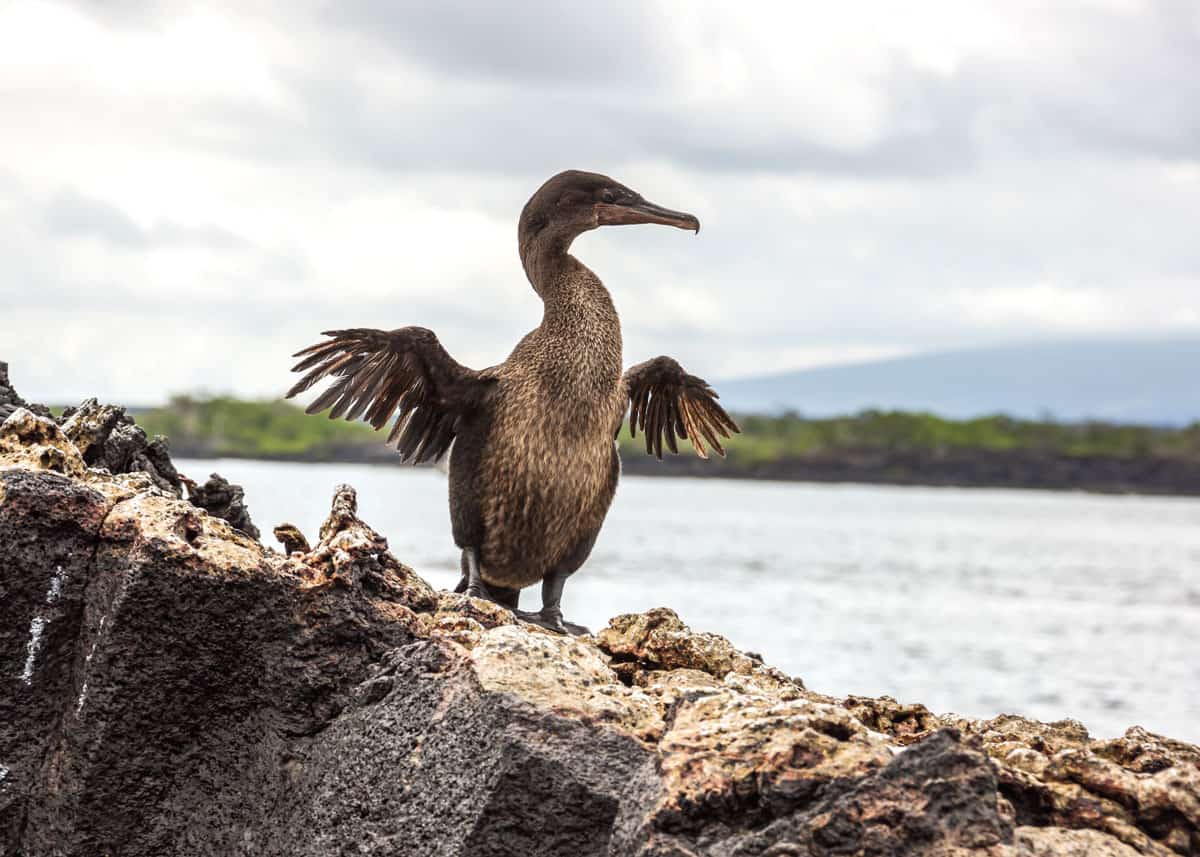
Flightless Cormorant
Galapagos Fur Seal
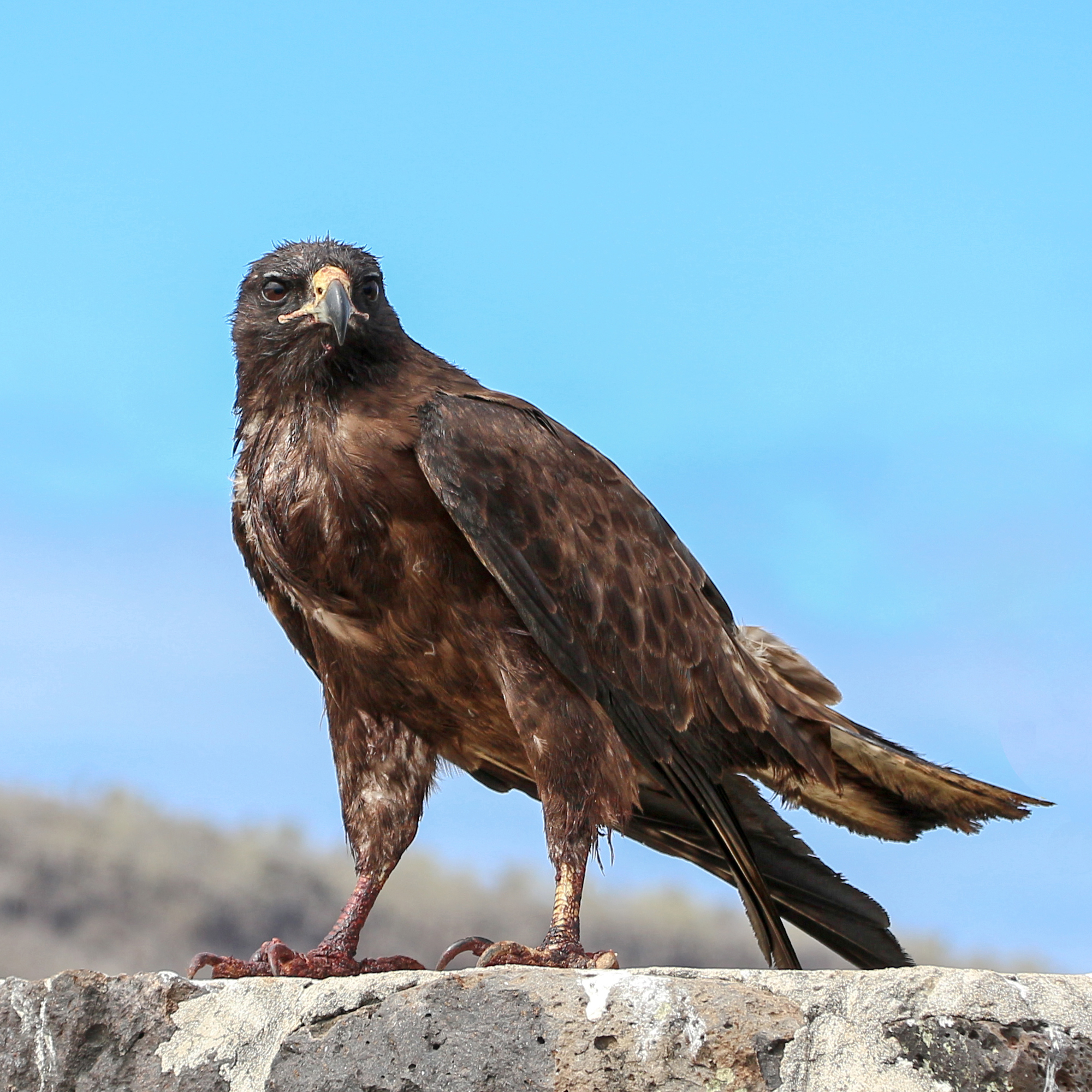
Galapagos Hawk
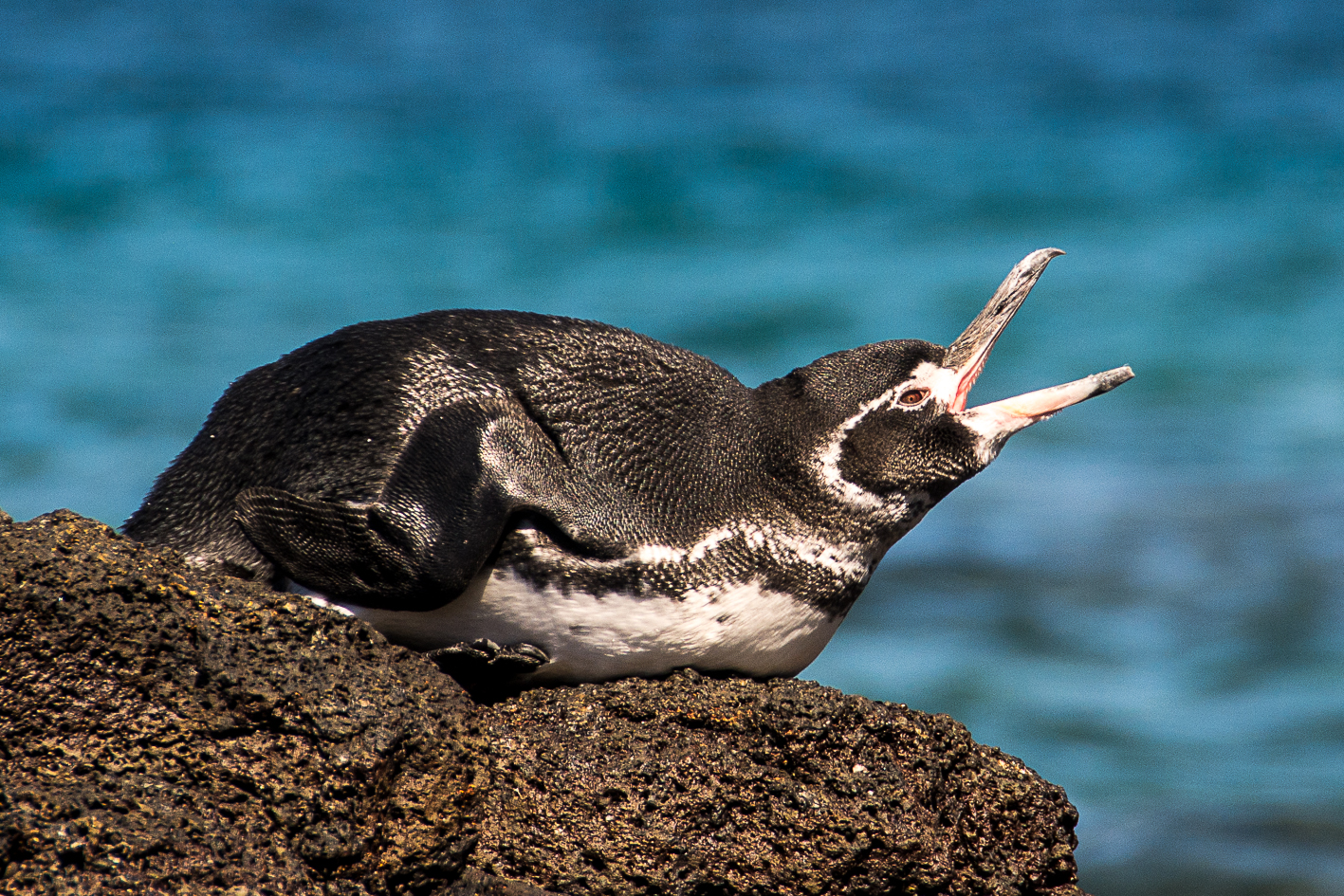
Galapagos Penguin (Most northern living penguin)
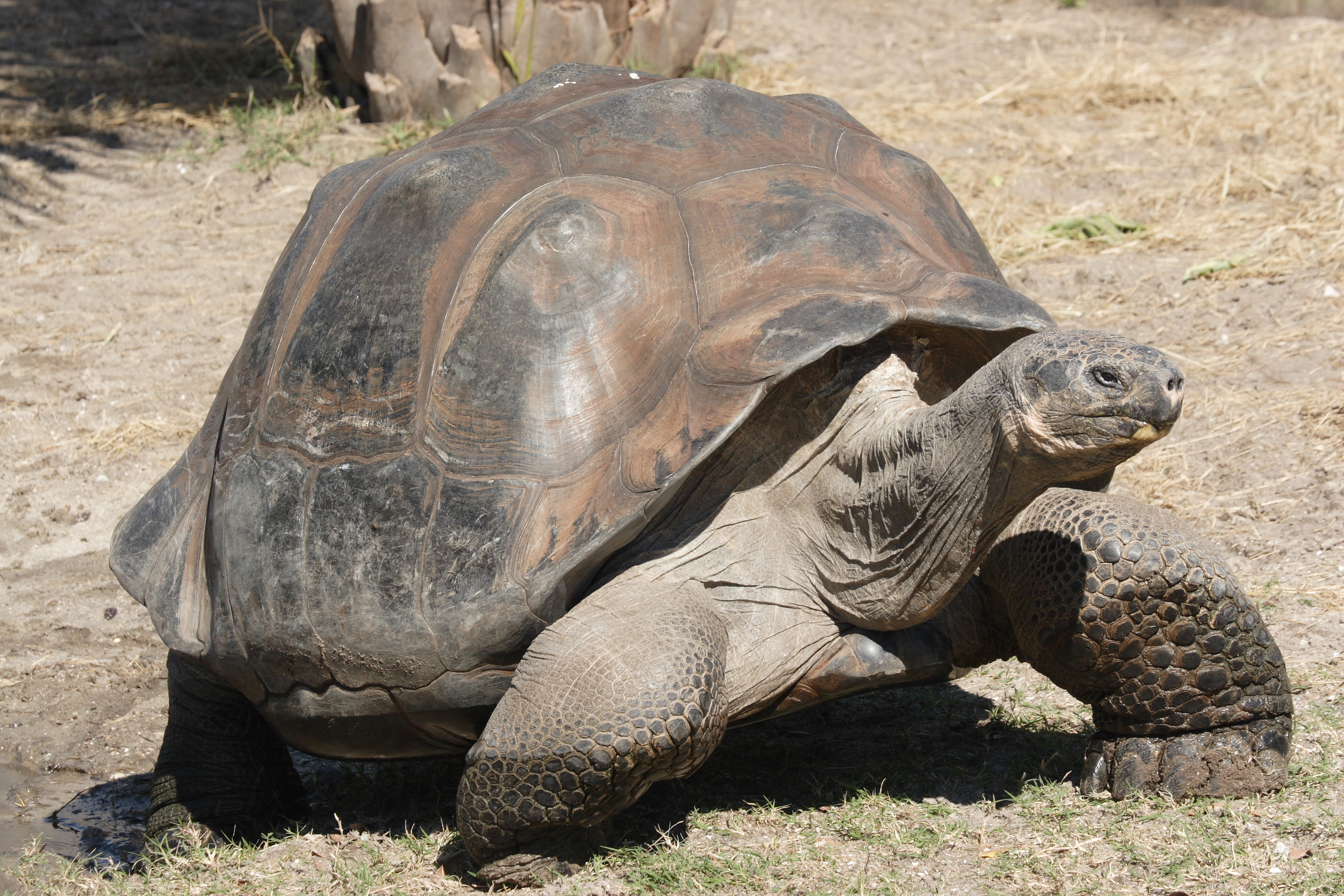
Galapagos Tortoise (Most famous of the animals)
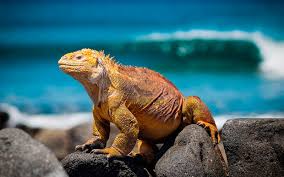
Land Iguana
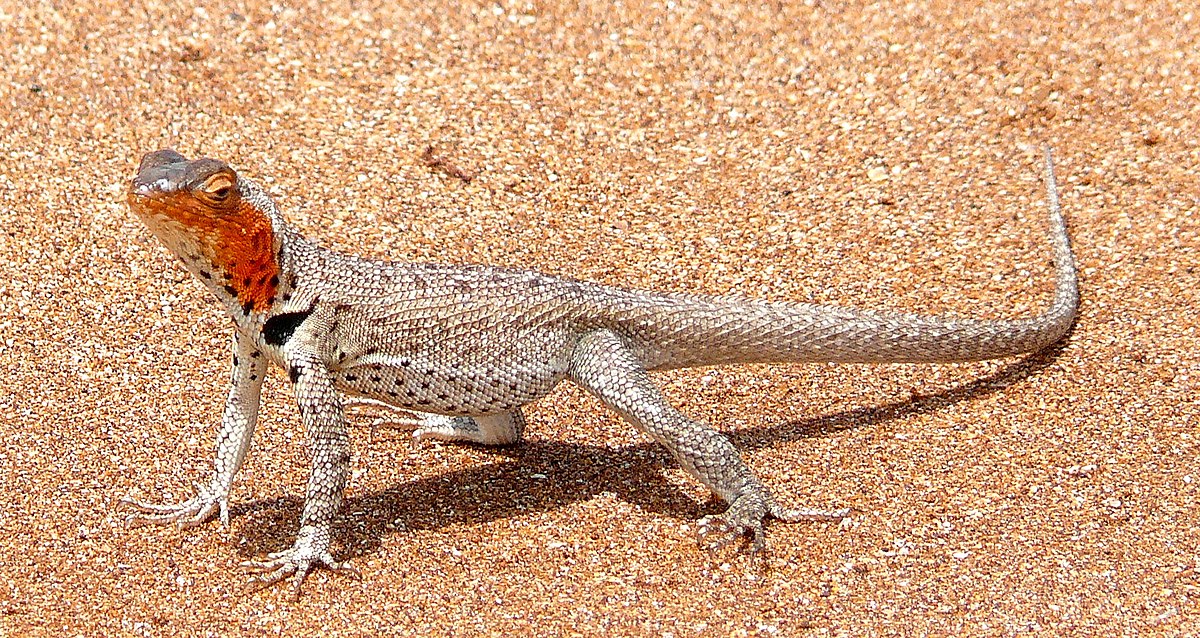
Lava Lizard
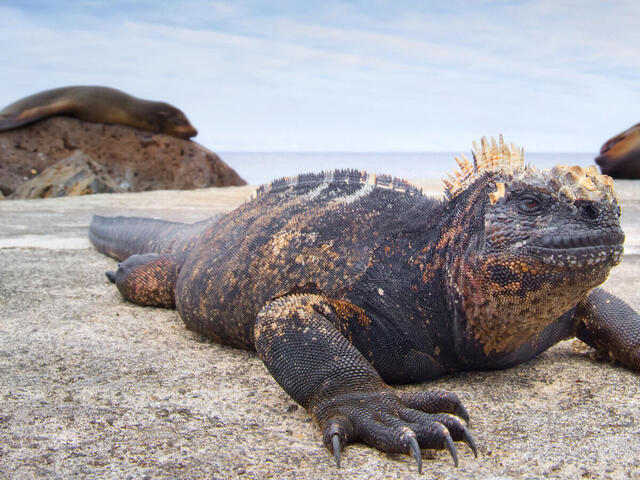
Marine iguana
Another common animal found on the Galapagos Island are finches. Many NY students learn about these when they take Biology (also called Living Environment) in school. This ties into one of the four labs that New York state requires for completion of the Regents course. Take a look:
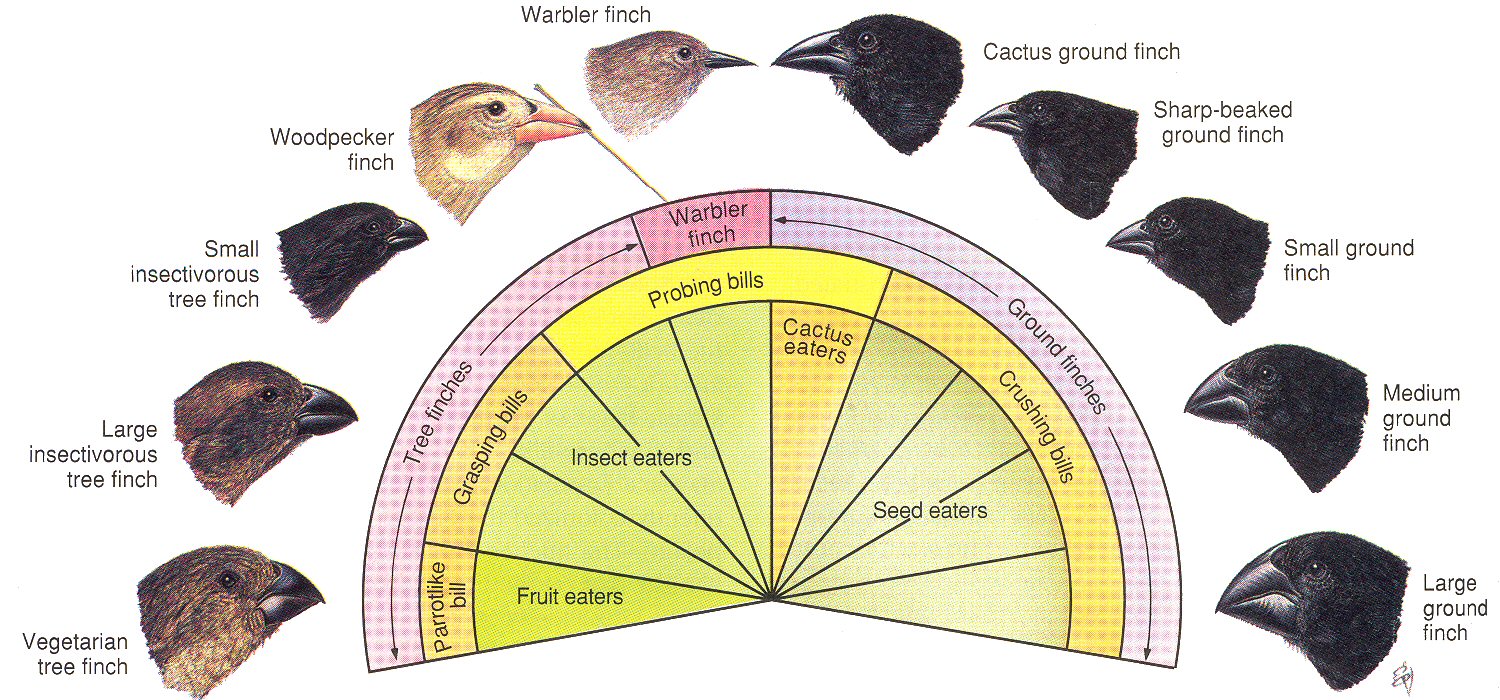
One of the reasons Galapagos biodiversity is so important is because Charles Darwin was there for 5 weeks in 1835. He wrote a lot about the animals and it helped him formulate the Theory of Evolution. The finches of the island were central to his theory because of their beaks. Each of the species originated from a single ancestor, which led to them looking similar, but not identical. Their beaks changed over time to allow each one to each specific foods without heavily competing.
More recently, Peter and Rosemary Grant witnessed the finches demonstrating evolution in real time on the island of Daphne Major. There was a drought on one of the islands in 1977, which made it harder for the medium ground finch to find food. They went from nearly 1,500 to a couple hundred in population. During this time, the Grants found that beak size in newer generations had gone up by 4%. This is because smaller seeds were rare while bigger ones were more accessible, but only those with larger beaks could crack them open. In 1982, there were heavy rains and smaller seeds became more numerous. Beak size for the medium ground finch then dropped 2.5% in future generations.
The story doesn’t stop there because large ground finches showed up with the heavy rains and began competing for the bigger seeds. This caused medium finch populations to shrink. Another drought in 2004 ended up devastating both species. This time, the medium ground finch beak size got smaller in spite of small seeds being harder to find. This is because the large ground finches were competing with them, so only those with smaller beaks could get the food that the bigger birds ignored.
All of this is why the Galapagos Islands are so important. They are great for scientific research on biodiversity and evolution.










 Legends of Windemere