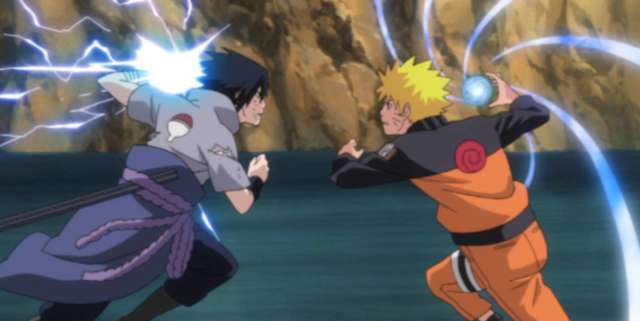
Naruto vs Sasuke
Rivalries can make or break characters because everyone needs a little adversity when they’re protagonists. I’m not only talking about heroes and villains, but even the friendly competitions that force two people to excel. There doesn’t always have to be animosity like in War of Nytefall: Rivlary since you can even call allies rivals in some stories. Legolas and Gimli were this to some extent with their contest. Cyclops and Wolverine are allies and romantic rivals. The point of a rivalry is that there is some type of ‘conflict’ that pits them against each other to some extent. So, what are some things to consider when creating a rivalry?
- You don’t have to make the characters hate each other. They can still have respect and consider each other rivals. A sense of competition and conflict doesn’t always come with negativity. Consider what the two characters want in the end and decide if it’s worth making one of them a villain. You can even write a whole story about a friendly competition if you think it through.
- The underdog is a common character in rivalries. This is typically your main protagonist who is trying to pass a stronger character. Having a powerful opponent can force them to train harder and become more disciplined, especially if they are facing someone with ‘natural’ talent. One thing to be careful of is not to make the underdog rise too quickly. That could make your other character appear weak and destroy the whole rivalry. Was the inferiority all in the hero’s head?
- Don’t forget to have both sides get stronger if you want them to be seen as equals. It comes off as one-sided when a character grows and the other stays the same. In fact, this can easily backfire into turning the ‘lazier’ hero rival into the villain because they’re seen as smug. You could also give them an ego as they watch their friend train, which could make for a bad reaction to losing. That’s if they aren’t enemies, which means the fall could be even worse for a villain. Remember that there are at least two sides to every rivalry.
- Create a believable reason for the rivalry. Hatred and other negative emotions are easy to use since they’re realistic motivators for action. Avenging a slight is fairly common and possibly overdone, but it’s so basic that you can twist it easily. Something to consider is that it could be more the passion and emotion that the characters feel towards the core of the rivalry than the actual topic. If they are rather lackluster about fighting over a trophy then the audience won’t care either. Yet, an emotional rivalry that happens between roommates because one drank the last chocolate milk of the other could grab people.
- As odd as it sounds, you can have a rivalry with more than one person. It can get messy and chaotic, but it can also be realistic. A prize or goal isn’t always wanted by only two people, especially if it’s public knowledge. In fact, you can look at sports and see how everyone in the league is competing for the same shiny object. You don’t have to be that massive because it would be a headache, but you can pick a handful of interesting characters to highlight.
- Never be afraid to include mean nicknames. Yeah, it’s immature, but you can have a lot of fun with it.
- Keep the audience guessing about who will win in the end. It can be fairly easy to make such a finale clear, especially if you go with hero vs villain. Yet, you can do some back and forth in the hopes of throwing people off. Some might enjoy the journey even if they know the destination, but you have to put some effort into masking most, if not all, of the details.