A while back, somebody suggested I write a few posts on the ‘Bad Boy’ concept. I agreed thinking it shouldn’t be too hard. Now, I’m sitting here trying to figure out what I was thinking. Seriously, this feels like it’s outside of my ballpark because ‘Bad Boy’s in my mind don’t really appear outside of romances and dramas. Then again, I’m using a very narrow definition. Let me try to enhance it by some stream of consciousness writing.
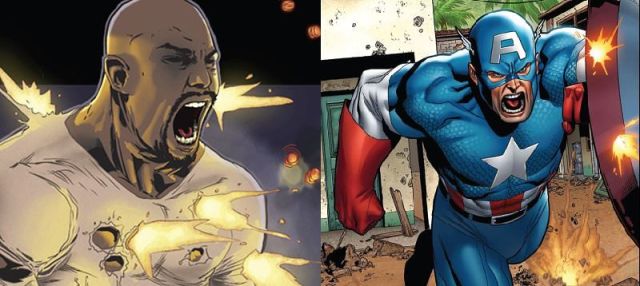
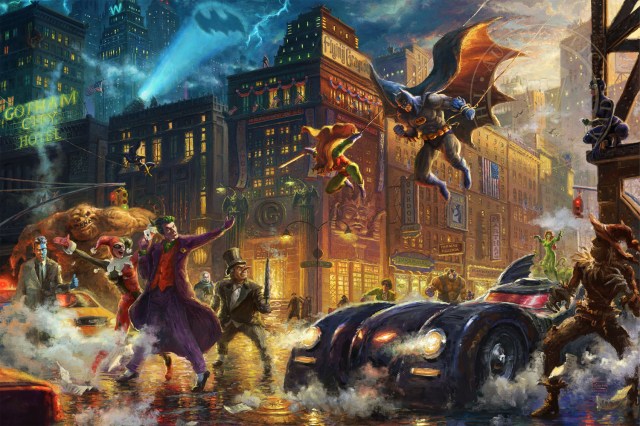
The ‘Bad Boy’ is a male character who stands against societal behavior norms in some fashion. It can be the clothes they wear, the food they eat, how they talk, or any number of things that make them an outcast. Yet, they aren’t like your ‘nerd’ and ‘introvert’ outcasts because there’s a sense of ‘coolness’ about them. Some are even rather social, especially if you include charismatic villains such as Loki and Joker. I mean, these two have actual fandoms that root for them to win. Those are extreme, so most of your ‘Bad Boys’ will be your rebel/mysterious stranger types. You really drive them home when someone is trying to change their ways, which is why you see them so often in romances and teen dramas. It’s definitely more attitude-driven than anything else.
I never really got into this concept, but I think I can get an idea of why they have so much appeal to audiences and other characters. Physiologically, there is an adrenaline rush from interacting with a ‘Bad Boy’. They tend to have this aura of danger or risk because of that anti-norm activity/description. It’s naughty to be interested in them since you don’t know what will happen. This feeds a psychological desire to break a rut and shake up your own world. A person can’t stay the same if they interact with this potential catalyst for change. This might be why there are times where it seems the attraction is more to what the ‘Bad Boy’ stands for than who or what they are. It also goes contrary to the attempt to tame him and bring him closer to the norms. This is where the concept tends to lose me, but I don’t think I’m the target audience for these guys.
As an author, I can see how this is a difficult character to work with. You want them to be attractive to the other protagonists and the audience, so having them be bad to the point of asshole is a mistake. Yet, you can’t have them be too nice and approachable since you need that risk factor. Creating an explanation for their behavior helps since a tragic background or a misunderstanding can add a dimension of understanding. The trick is to get to that point without losing the audience. Hit it too soon and you ruin the ‘Bad Boy’ image long before the climax. Too late and he comes off as an antagonist with a desperate attempt by the author to redeem him. So, how can you handle this without falling into either trap?
I really don’t have any clear idea. Perhaps the best thing to do is to write the character as he is in your head and let the cards fall where they may. ‘Bad Boys’ that are designed specifically for that category come off as forced and shallow. The dynamic rebels and anti-social guys tend to be very human. They’re simply different from everyone else and treated as such. Establishing the society at first helps because one reader might see a ‘Bad Boy’ while another sees a regular person and a third sees a villain. You really have to prevent pre-existing beliefs on how humans should act from taking the forefront if you want a widely accepted ‘Bad Boy’. Heck, you need this for any character, but it’s really true for those that go against norms.
What do you think about the ‘Bad Boy’ archetype? Ever try to write? Did you accidentally write one?



 I grew up in a less than privileged family in Los Angeles, went to UC Berkeley on a basketball scholarship, and then worked my way through Berkeley Law School. After a year at a civil firm, where I was conscripted as a soldier into an endless paper war. It soon became clear to me that I had neither the inclination, nor talent, to be a civil lawyer. The one facet of the practice of law that appealed to me was trial work. I joined the LA Public Defenders Office, the largest criminal defense organization in the country, where the work consisted primarily of jury trials.