Dueling Narrators

Rafiki

Narrator 1–  This is the bad guy.  You can tell because he’s leading an army of soldiers in black armor.

Narrator 2–  Don’ t be ridiculous.  Armor color doesn’t mean evil.  Besides, he’s leading a charge against the descendants of those who murdered his family.  The man simply wants to reclaim his homeland.

Narrator 1–  It’s been a few hundred years.  Stop living in the past.  The current rulers shouldn’t be punished for their ancestors actions.

Narrator 2–  They are benefitting from it.

Narrator 1–  That doesn’t mean you lead an army to kill them and destroy everything in your path.

Narrator 2–  Those villages have sworn allegiance to the false rulers.  They refused to dissolve their oath of loyalty and join him.  Do you think it’s a smart idea to leave enemies at your rear?

Narrator 1–  Why would they agree to join that guy?  The legends say that his family had ruled the land through fear and torture.  They wouldn’t want that type of system to return even if they did believe the guy.  He has no proof that he’s a descendant of the first set of rulers.

Narrator 2–  He has more proof than your destined hero.  Nobody was around when that talking cow told the kid that he was going to save the kingdom.  Let the audience know that the kid was sneaking cups of alcohol before that encounter.

Narrator 1– What are you talking about?  That never happened.

Narrator 2–  It is now because I’m adding it in.

Narrator 1–  You can’t just add history like that to my characters.  Stay in your lane and handle this like a mature author.

Narrator 2–  The female lead is going to fall in love with the ‘bad guy’ and realize that she has been lied to.  She’s going to betray the hero for the sake of the kingdom.

Narrator 1–  They were childhood friends and have a telepathic link.  How is that going to work without him turning to?

Narrator 2–  Then they’ll both join the villain.

Narrator 1–  I think you’ve effectively ruined the story.  This is why you can’t have two narrators working at the same time.

Narrator 2–  The current king eats babies.

Narrator 1–  That’s it!  *sound of a laptop bouncing off a human skull*  It’s worth the repair bill.

Posted in Uncategorized | Tagged , , , , , , | 7 Comments

Writing Personal Essays!

Greetings, SE’ers! Beem Weeks here with you again. Today, I’m discussing personal essays as a form of storytelling. Writers tell stories. It’s the …

Writing Personal Essays!
Posted in Uncategorized | Leave a comment

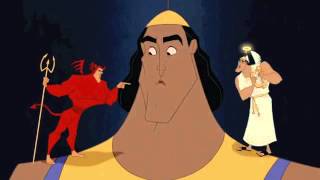
Poetry Day: Devil Angel Duet

Kronk from Emperor’s New Groove

(This one is fairly straightforward.  It’s the devil and angel on the shoulder concept.  Not sure what triggered it back then.)

Don’t you want it?
Aren’t you tempted?
I’ll help you decide
Just a little
Don’t resist it
I’ll be by your side


Do you trust me?
Then ignore her
I know what you need
And it isn’t that
Put faith in my words
I’ll never leave your side


Did you hear him?
He wants to trick you
You don’t need that kind of friend
Stick with me
Let’s have some fun
He’ll leave you in the end


She’s talking about herself
You know her type
Don’t fall for her lies again
She will lead you to fun
Then abandon you in need
Without bail money


Ha! Common sense?
Its a given right
To enjoy the path you choose
Take the risk
Just once wont hurt
It’s win/win -you cant lose


Maybe you’ve forgotten
You promised you would stop
This is a path you left
Proud to cast it to your past
I insist that you tell her to shut up
Before you fall back down


You let him talk to you like that?
Sounds desperate
Stick with me
I’m more relaxed
No pressure here
What will be will be


Don’t come bitchin’ to me
When your belt explodes
And your gut blocks your toes
I’m sure your wife will be fine
It’s only a broken promise
And a decimated diet

Posted in Poems | Tagged , , , , , , , , , , , | 9 Comments

7 Tips to Using an Unreliable Narrator

Harley Quinn

The Harley Quinn series is what prompted this topic.  I stumbled onto people complaining about how some villains were being shown in the series.  They thought they were too goofy or made to be stupid.  Other people eventually arrived to point out that this series is probably from Harley’s perspective.  She’s not sane, which makes her a rather unreliable narrator.  So, that’s how I started thinking about this topic.  Now, let’s see if we can get a few tips on how to do this.

  1. You can’t make it 100% obvious that the narrator is being bias or unreliable.  People can figure it out from clues, but there needs to be some level of faith in being told some real facts.  If the audience knows that they are being lied to entirely then they can lose both interest and investment in the story.
  2. An unreliable narrator doesn’t always have to be confident.  Their shaky perspective can stem from uncertainty instead of a desire to manipulate.  This works best in first person where they can have thoughts and lines admitting that they are not sure about an event.  They might admit to overreacting or not wanting to get more information in a situation.  This doesn’t make them a full liar, but it shows they aren’t coming from a neutral position at all times.
  3. Don’t get upset if the audience claims you have an unreliable narrator when you don’t have one.  This happens at times.  If multiple characters have solid reasons for what they are doing then some readers might side with someone other than the central POV character.
  4. Unreliability doesn’t only come from what they are telling the audience.  Much of this position can stem from what they aren’t mentioning.  They will be describing a situation and making themselves out to be either the good guy or at least an innocent party.  Doing this requires that they leave out any negative/bad/evil actions that they have taken.  For example, a hero might talk about firing back at the bad guys, but they leave out that they shot first.  Yeah, they’re the hero, but now you see that they have provoked an incident and tried to play the victim.
  5. I know I said that you can use an unreliable narrator in various POV styles.  Yet, it is easiest in first-person POV because you are restricted to only one perspective.  There is less of a chance of the narrator being blatantly outed by the opinions and thoughts of another.  So, first-person is your best bet if you want to make things both easier and more solid.
  6. Consider the personality of the POV character because an unreliable one should have some level of charm.  These people are trying to get the audience to believe them, which means they are putting themselves in the best light.  At least they would be if they’re being unreliable on purpose.  So, make them likeable, polite, or anything else that would garner trust.
  7. While not a necessity, you can make the other characters be hints that the narrator is unreliable.  If the hero is nearly perfect while everyone else is heavily flawed without a clear reason then the audience might start to suspect there is something going on.  The supporting cast should still be helpful and effective, but maybe they also create a bunch of problems.  The narrator might be the only one to come up with plans or save the group in a pinch.  This stems from a possible narcissism, which causes the narrator to paint others in a negative light to make themselves look better.
Posted in Uncategorized | Tagged , , , , , , | 14 Comments

Joan Hall Guesting Today to Talk About Her #newbook – Menagerie

I am so happy to have Joan Hall visit today. Joan is a fellow member of Story Empire, and she has a new book that sounds fascinating. Come on in, …

Joan Hall Guesting Today to Talk About Her #newbook – Menagerie
Posted in Uncategorized | 3 Comments

BIRTH ORDER AND CHARACTER DEVELOPMENT: Firstborn

Hello Story Empire friends, Gwen with you today to focus on character development related to birth order. Here’s a link to my prior post on this …

BIRTH ORDER AND CHARACTER DEVELOPMENT: Firstborn
Posted in Uncategorized | Leave a comment

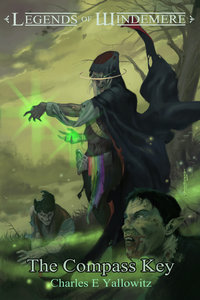
Teaser Tuesday: Sari’s Psyche

Cover art by Jason Pedersen

Going to revive a some old teasers to draw attention back to the series.  Maybe a few eBooks or paperbacks will sell.  Here we have a fun one from Legends of Windemere, which will probably take up a bulk of the revivals.  Enjoy.

Continue reading →

Posted in Legends of Windemere, Teaser Tuesday | Tagged , , , , , , , , , , , , , | 6 Comments

Dealing with Narrator Bias

Google Image Search

The terms ‘Narrator Bias’ and ‘Unreliable Narrator’ come up from time to time.  In general, they denote that a story is being told with a skewed point of view.  You get a sense that you aren’t seeing events as they really happened or there are aspects that are being left out.  Either the narrator didn’t have this information or they are purposely leaving things out that don’t fit their version.  I’m sure I’ve already got a few people ready to bring this issue into reality.

I’ve noticed that you can’t always tell if narrator bias is happening.  Not only the audience, but the author as well.  If you’re working with one perspective then you’re not going to have any outside information.  This is especially true for 1st-person POV, but can happen in 3rd-person as well.  One could even say it’s inevitable since you can’t write a story that shows everyone’s perspective at the same time.  That would lead to mind jumping every paragraph and it being difficult to keep track of who is showing you what.  This is why authors tend to choose a specific POV for a story/scene/chapter.

Now, you might be ready to argue that a POV character isn’t always the narrator.  You’re right, but the narrator bias falls on whoever is showing the events. If the narrator is simply doing exposition and describing the physical scene then the doubt would be aimed at whoever is speaking.  It is harder to believe in narrator bias here since it would be primarily through actions and dialogue.  One could shift the suspicion back to the formless/nameless narrator again.  This is what makes this rather confusing.

It doesn’t help that an author doesn’t have to intentionally add narrator bias.  By making deep and multidimensional characters, one can inadvertently get the audience to think they’re being lied to.  This happens a lot when you write a villain who is supposed to be sympathetic or make some kind of sense.  For example, the villain is trying to help humanity deal with limited resources by going on a murder spree instead of trying to create more resources.  A reader who thinks this is a good idea might think the heroes, who would be the main source of information, are skewing reality.  They’ll look for hints that this isn’t the real story, which can make for interesting conversations.

Now, say that you want to make a narrator come off as unreliable.  There are several tricks that you can use, which I’ll go over on Wednesday.  You need to garner some level of trust even if you also want some doubt.  This tactic works best if the audience isn’t sure that they’re being tricked.  Of course, this isn’t easy to pull off and you may need to do edits specifically to make sure you’re both hiding and revealing the truth.  It does help to decide on if the narrator is being honest or not too.  If the author isn’t sure on some level then the whole thing can fall apart.

So, what do you think of narrator bias?

Posted in Thoughts | Tagged , , , , , , | 7 Comments

Metaphysical Elements in Writing – Gemstones

Hello, SE’ers! It’s Jan again with the first part of the new series that’s all about including metaphysical elements in fiction writing. Today, I’m …

Metaphysical Elements in Writing – Gemstones
Posted in Uncategorized | 4 Comments

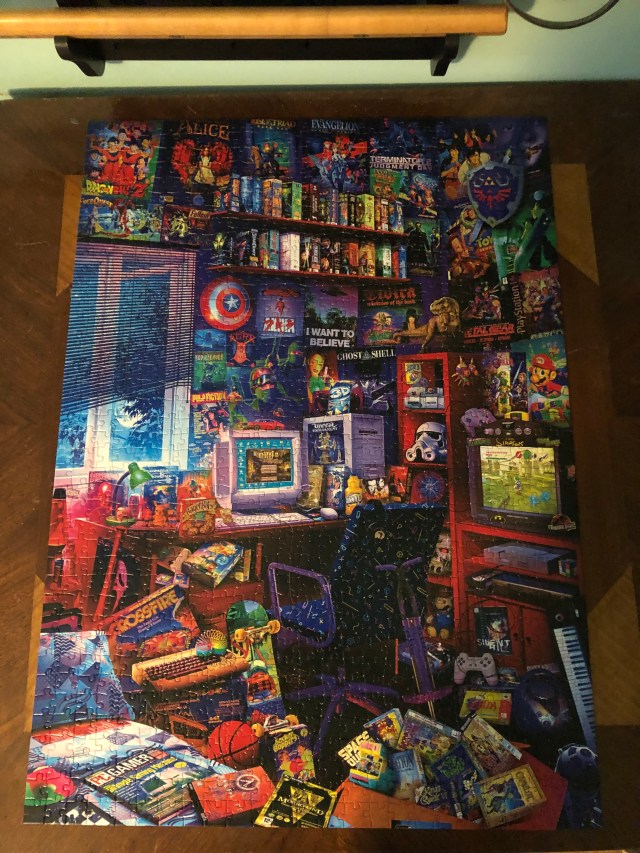
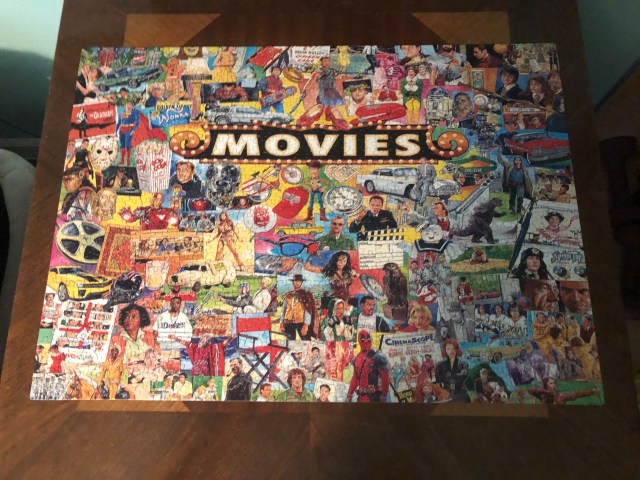
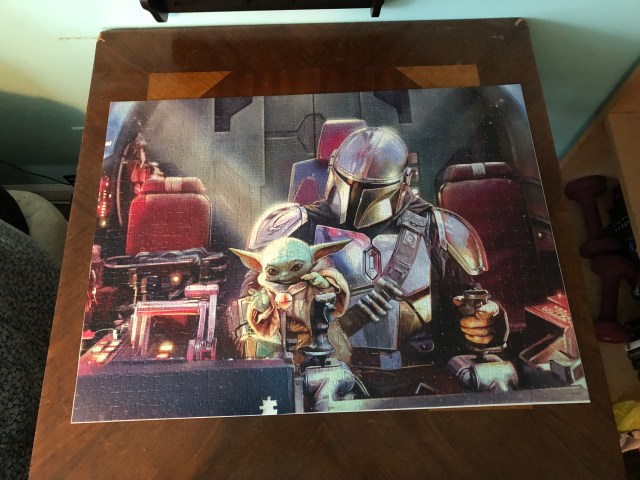
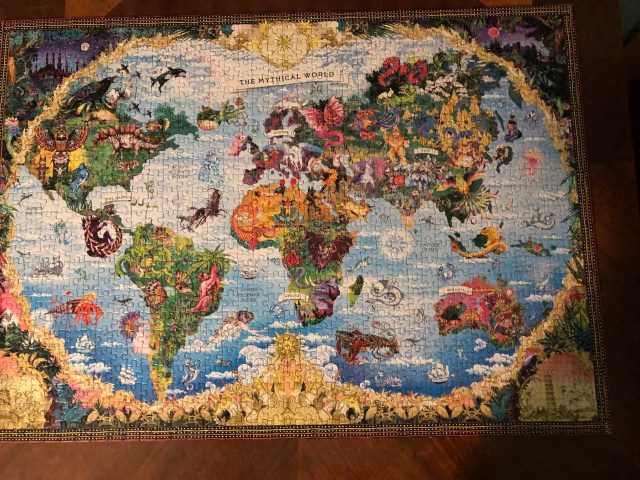
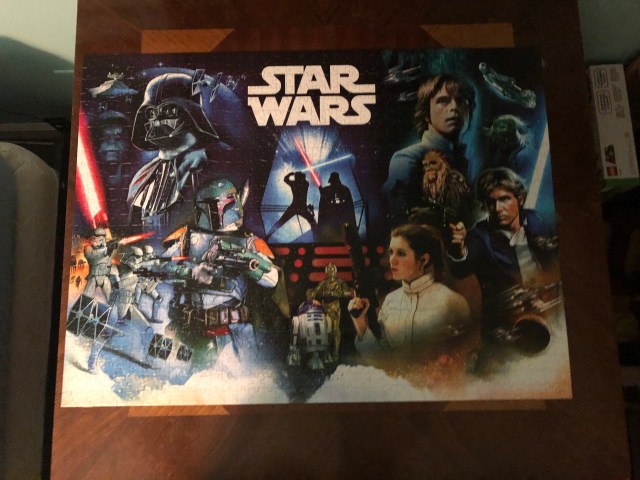
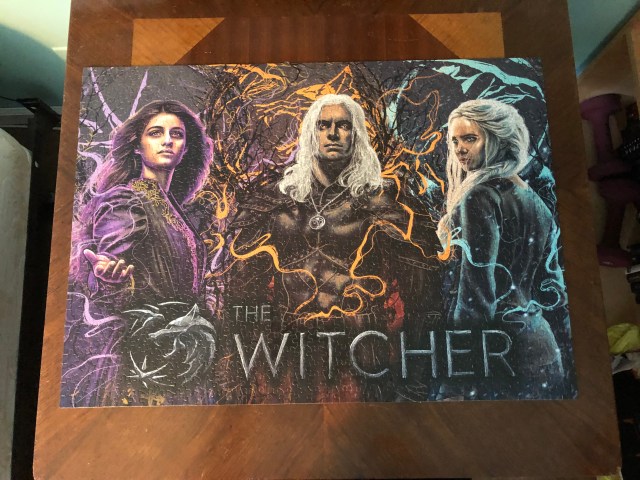
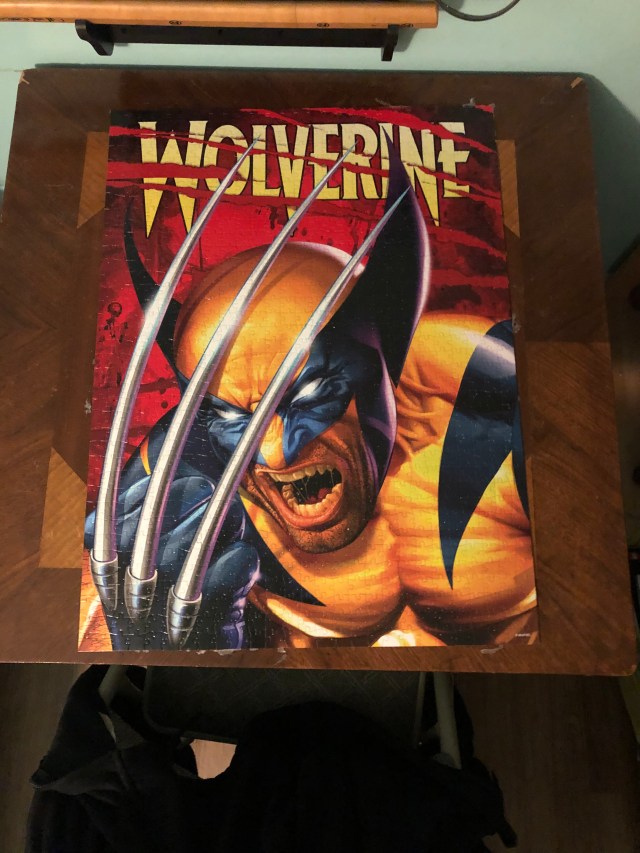
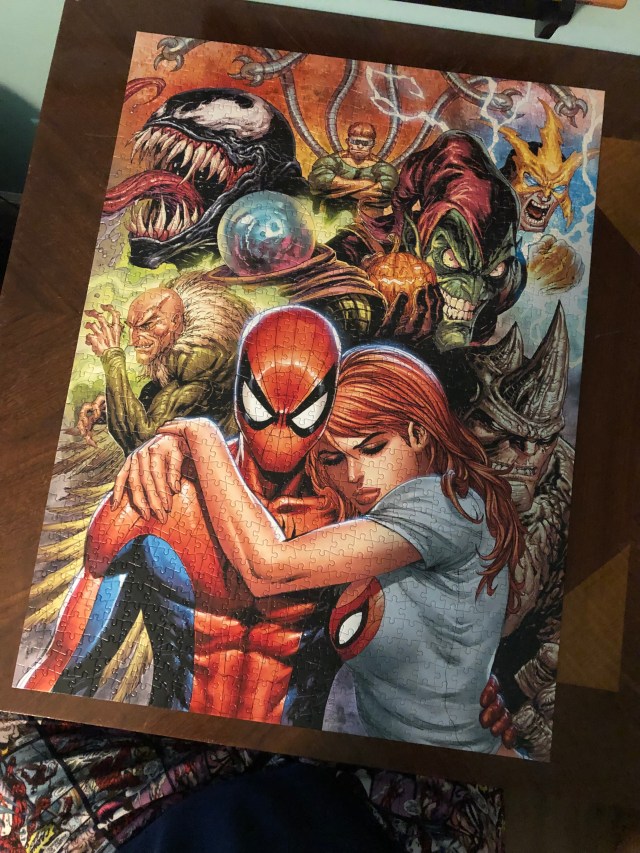
Another Plethora of Puzzles

Decided it was time to show another collection of puzzles.  Don’t really have any stories behind these.  Enjoy.

Posted in Uncategorized | Tagged , , , , , , , , , , | 10 Comments