Chessie from Chesapeake Bay Harbour

Chessie (1986 Coloring Book made by U.S. Fish and Wildlife)

For some reason, all the best pictures of this cryptid seem to be cartoons with no life-like ones.  Maybe just my bad luck.  As you can tell, we have another water monster, which seem to be really common around the world.  So, what is Chessie?

Reports say this is a sea creature, which is about 30 feet long and as thick as a telephone pole.  It has passed by swimmers and fishermen with no signs of aggression.  In 1943, it was said to have a football/horse-like head that it could turn nearly all the way around.  Chessie was recorded in 1982 and was seen as a brown ‘creature’ slithering through the water like a snake.  Finally, it appeared 5 feet away from a car on the shore in 2014 as was said to be black in color with no fins and a football-shaped head.  So, the sightings tend to keep the head shape and serpentine body.

An interesting twist on Chessie is that it became an environmental icon in the 1980’s.  A push for maintaining the Chesapeake Bay’s health had this cryptid as the mascot.  Part of it was because sightings had it be friendly and non-threatening.  Maryland even made a state law in 1985 to protect Chessie even though nobody could prove it actually existed.  As silly as it sounds, this got a lot of people into protecting the environment, especially the water, which was difficult in the wake of ‘Jaws’ coming out.

Now, there was one picture taken of Chessie, but it didn’t match the rest of the sightings because it wasn’t a serpent.  In 1980, a picture was taken of a creature in Chesapeake Bay (Maryland) and it ended up being a manatee from Florida.  It’s an unusual discovery, but apparently manatees will occasionally swim all the way up the eastern coast.  Another manatee was rescued in 1994 and named ‘Chessie’ before being returned to Florida.  It has returned to the area several times between 1994 and 2011.

So, not a ton of lore on Chessie, but certainly a bunch of interesting stories.

Posted in Uncategorized | Tagged , , , , , , , , | 12 Comments

words that pack a punch – part 9

Hello, everyone. It’s Jan back with another post on power words and how we can make better choices when we are writing. Today’s word is THOUGHT/…

words that pack a punch – part 9
Posted in Uncategorized | 2 Comments

Poetry Day: Mind Crumble

Let’s be honest. You know who this is and where he’s from.

(Spiraling into darkness and insanity.  Yeah . . . I don’t know how many of these poems I have, but it’s certainly a common theme.  That being said, it would be terrifying to be trapped in your own mind and unable to do anything about it.)

Voices from the dark

Infecting world of light

Loosing track of sight

As reality twists away

Reaching out to all the parts

Which turn to dust in hand

Shard by shard they vanish

Summoned away by wordless hush

Until you stand alone

In a world you know is wrong

Trapped where no one sees

While your body stumbles on

Posted in Poems | Tagged , , , , , , , | 4 Comments

The Dark Watchers of California

Dark Watchers?

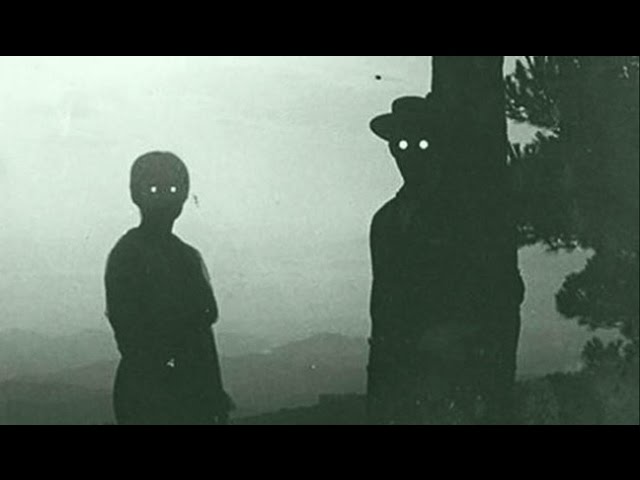
There is some debate on if ghosts should count as cryptids.  I’m going with yes with this one because nobody is sure if these are ghosts.  They’re certainly creepy and unnerving if you see them.  Nobody knows what they are, so could be anything from ghosts to trick of the light to a local family of cannibals living in the wilderness.

Found in California’s Saint Lucia Mountains, these beings have been around since the 1700’s.  They are tall (10 feet tall) figures wearing hats and capes.  Usually described as shadowy men, they appear on mountaintops at twilight or dawn when the light isn’t very strong.  The stories say nobody has seem them up close and those that have approach would disappear.

Much of the Dark Watchers come from fiction though.  John Steinbeck wrote of them briefly and his son claimed to have seen them as a child.  John’s mother also believed in them and claimed to trade gifts, but not with any actual contact.  Poet Robinson Jeffers also mentioned them, but gave them a physical description while most sightings have them as featureless figures.  So, it’s clear the fiction plays around with these beings, which remain unknown.

The reality probably isn’t as interesting.  Tricks of the light is a possibility.  Pareidolia is another one because it is when our brains seek out familiar shapes and patterns in our environment.  It’s the same thing that has people seeing Jesus in things or the Man in the Moon.  A third option is people are suffering from lack of oxygen from the high elevations as well as exhaustion.  Finally, it could simply be that a person or animal happened to be standing there at an angle that made them appear huge.  You know, like Bigfoot just hanging around at twilight and being mistaken for something else.

Actually, there is another option called the ‘Brocken Specter’, which I think is pretty cool.  This is an optical illusion that makes the viewer’s shadow bigger on the clouds or mist ahead of them.  It happens when the sun is behind a person who is looking into a misty area.  Their shadow is projected forward in a triangular, inhuman distortion to make it appear larger.  The only issue I see is that the person supposedly has to be looking down into the misty area while the Dark Watchers are said to be seen from above or possibly on level ground.  Maybe people just have the angle wrong?

Posted in Uncategorized | Tagged , , , , , , | 13 Comments

I’m at Bad Moon Rising with Teri Polen

I am honored to participate with Teri in her Bad Moon Rising feature, where 31 authors answer Teri’s questions and hopefully reveal something …

I’m at Bad Moon Rising with Teri Polen
Posted in Uncategorized | 3 Comments

On the Hunt for Historical Newspapers!

Greetings! It’s Liz Gauffreau with you today. In my previous post, I discussed various ways that newspapers can be used to support writing historical…

On the Hunt for Historical Newspapers!
Posted in Uncategorized | Leave a comment

Teaser Tuesday: Open Winged Greeting

Cover Art by Sean Harrington

Here’s another excerpt from Quest of the Brokenhearted and it’s the introduction of a fun supporting character.  Lacarsis was a monster-making playground for me and I needed to think of a great way to start the tournament.  For some reason, this scenario kept playing out in my head.  Enjoy.

Continue reading

Posted in Legends of Windemere, Teaser Tuesday | Tagged , , , , , , , , , , , , , , , , | 5 Comments

The Iliamna Lake Monster

Iliamna Lake Monster

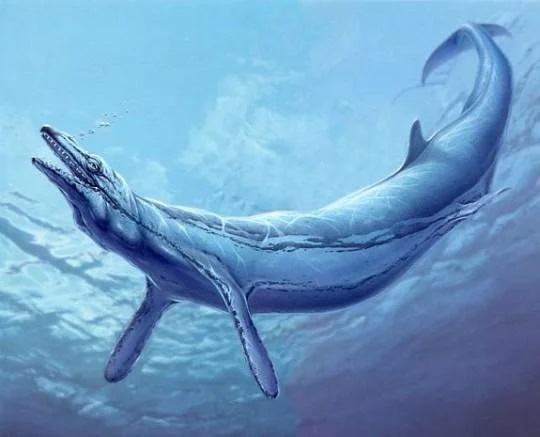
Found in the largest freshwater lake in Alaska, this mysterious creature is said to be 30 feet long.  It has metallic scales and a large head.  Some stories have its head shaped like a wolf while others a shark.  Being an aquatic creature, it can dive underwater and stay down there for a very long time.  So, what is the history of this cryptid?

Two pilots claimed they saw the Iliamna Lake Monster in 1942 when they were flying overhead.  Others came out to say the same.  A biologist saw it in 1963 and a missionary saw it twice in 1967.  The second guy is interesting because he decided to land his plane on the lake and fish for the beast.  He used steel cables with tuna as bait, which were claimed and . . . the plane was dragged around the lake while he swam for shore.  When it was recovered, three of the cables were gone and the hooks where straightened.  Other simpler sightings throughout the years had people claiming they saw a large fin in the water and at least one in 2017 claimed they saw it blowing water.

Going back further, the Tlingit people have a legend about a large creature in the lake called Gonkadet.  It has the head and tail of a wolf on the body of an orca, which is similar to the Akhlut. It was considered a ‘fish god’ and may have been what stirred the imagination of the pilots who saw it initially.

With the lake being connected to the Bering Sea, there are a few possibilities as to the actual animal.  As usual, a plesiosaur is on the list.  This would be the long-necked, four-finned dinosaur that people also think is Nessie.  More modern animals also fit the bill such as beluga whales, which are known to swim into the lake from time to time.  They would fit some descriptions that are seen from far away, but not above.  A final possibility is the White Sturgeon.  These fish can get pretty big and match some of the description even though they haven’t been seen in the lake specifically.

Seems lake monsters always have a more logical explanation even if they aren’t as much fun.  Still, do you think a lake can hold a large beast, especially if it has access to the ocean for it to disappear?

Posted in Uncategorized | Tagged , , , , , , , , , | 23 Comments

Writing Love Scenes

By Stephen Geez Of course, “love scenes” refers to scenes of physical intimacy between lovers. It could apply, as well, to scenes where only one …

Writing Love Scenes
Posted in Uncategorized | Leave a comment

Happy National Badger Day

Today is apparently National Badger Day.  For anyone who doesn’t know, a badger is a member of the weasel family.  They are short, stocky, nocturnal omnivores known for digging burrows.  There are six main species with a variety of subspecies, but we’re going to do a general overview.  As far as conservation status, they are listed as not endangered or threatened.

To connect this to October’s monster theme, badgers do show up in a lot of folklore in the areas they live.  Chinese and Japanese stories tell of them being shapeshifters, which is common for animal myths there.  Some European cultures say badgers are a sign of spring, which was originally held by the bear until that species declined.  They are an animal totem of the Goddess Brigantia and is celebrated on Imbolc (February 2nd . . . Wait a minute.)  In the Americas, the badger can be associated with warfare.  There are also instances of the poor thing being a symbol of bad luck.

Now, for animal facts:

  • Badger have a sense of smell that is 800 times that of a human.
  • They create a separate bathroom outside of their burrow to keep their home clean.
  • Eurasian badgers have families and will pass homes down through generations, which turns them into tunnel networks.
  • American badgers have been seen working with coyotes to hunt food.
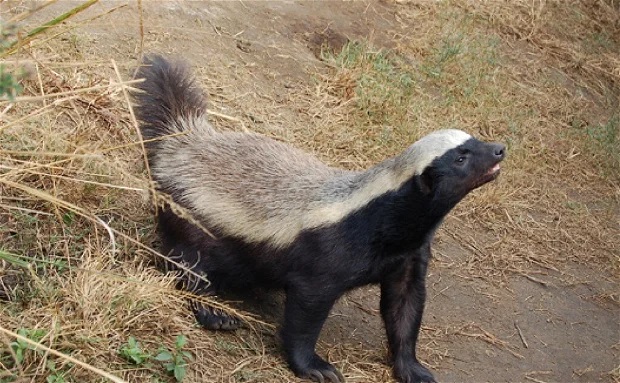
  • Honey badgers are resistant to snake venom.
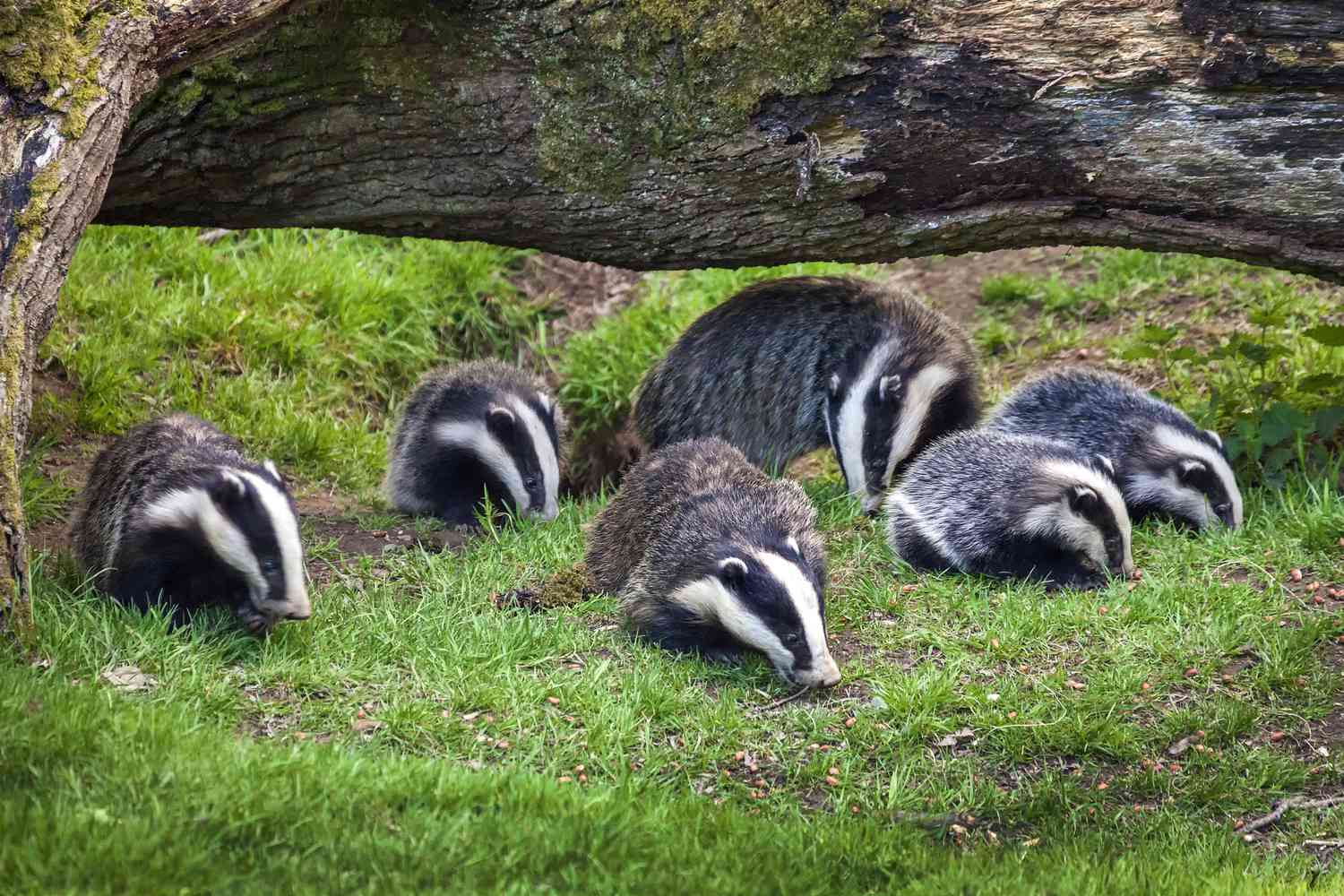
  • Males are called boars and females are called sows.  A group is called a cete.
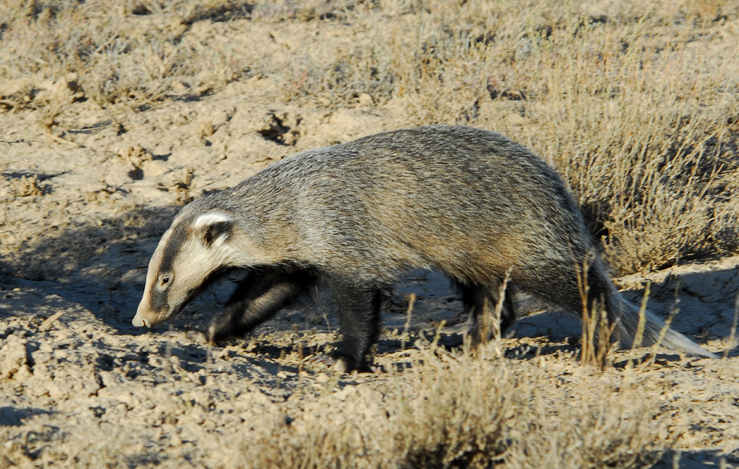
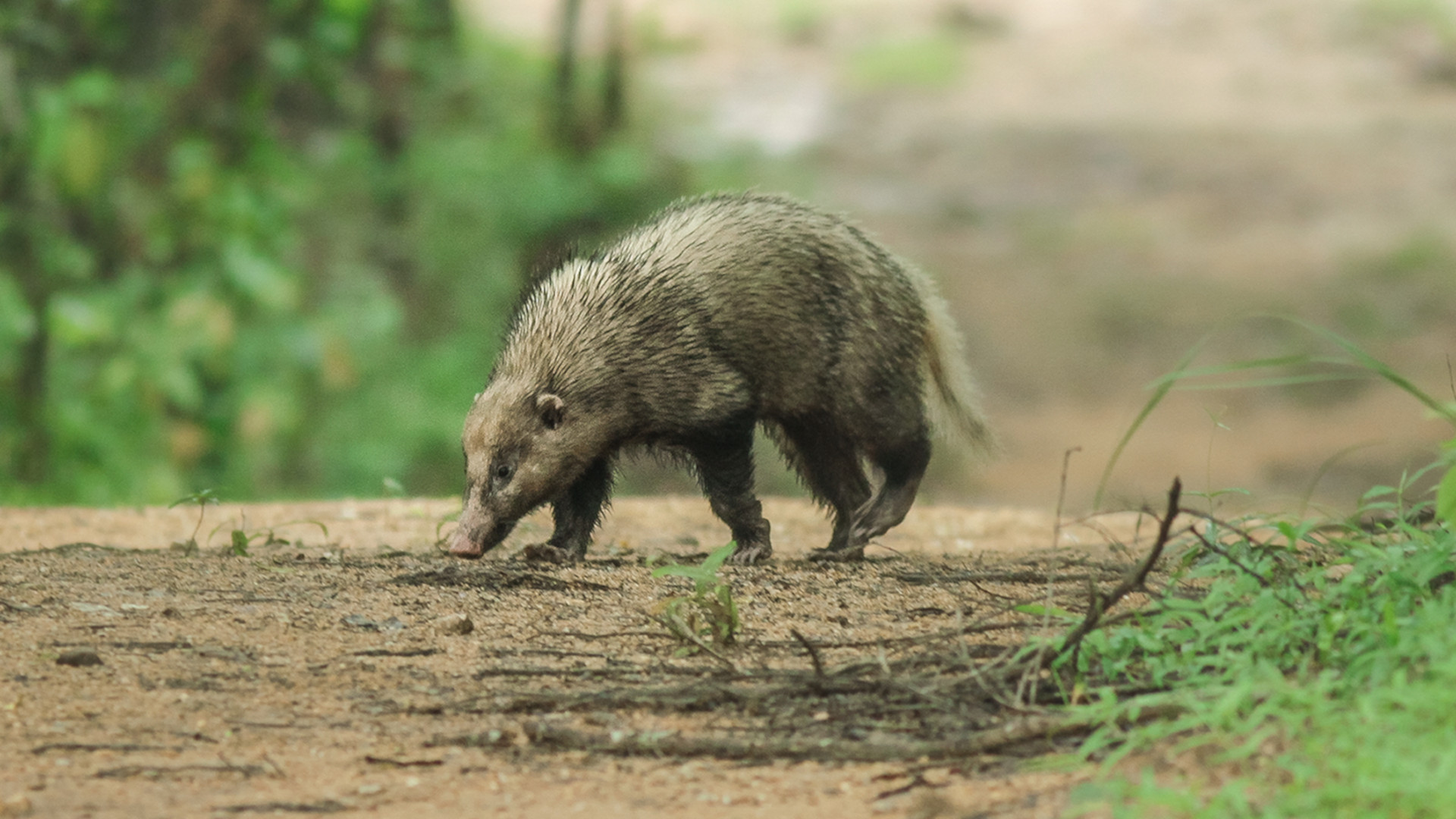
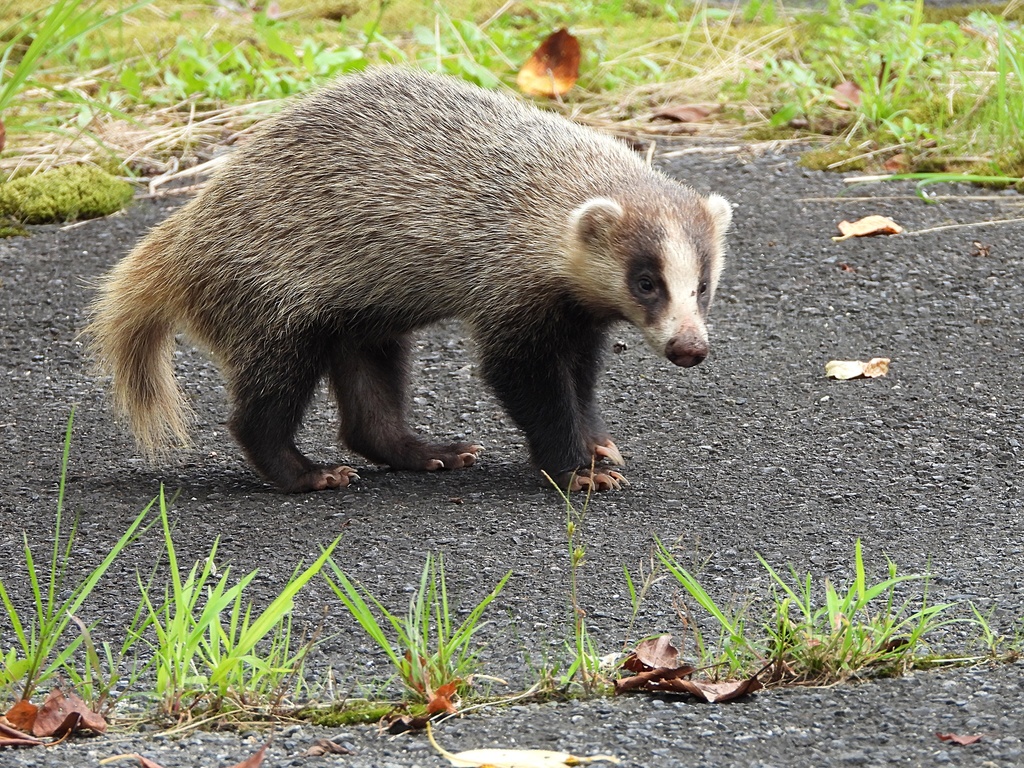
  • There is debate on if there are 3, 6, or 11 species of badgers.  I went with 6 to include more pictures:

Asian Badger (Not sure how this one really differs from Japanese Badger)

Hog Badger

Japanese Badger

American Badger

Eurasian Badger


Honey Badger

Posted in Animal Posts | Tagged , , , , , , , , , , , , , | 21 Comments