
(Originally posted on April 8, 2020.)
Yahoo Image Search
A few disclaimers here because we’re heading into delicate territory. I am not an expert on mental health by any means. I read up on it and have my own experiences to work off, which is what fuels these posts. Also, I always try to add some humor into my posts, especially the 7 Tip Lists. I find that humor can relieve tension and allow for serious stuff to be listened to and swallowed more easily. Finally, this is about actual depression and not a character simply feeling sad or upset. That brings us right to #1!
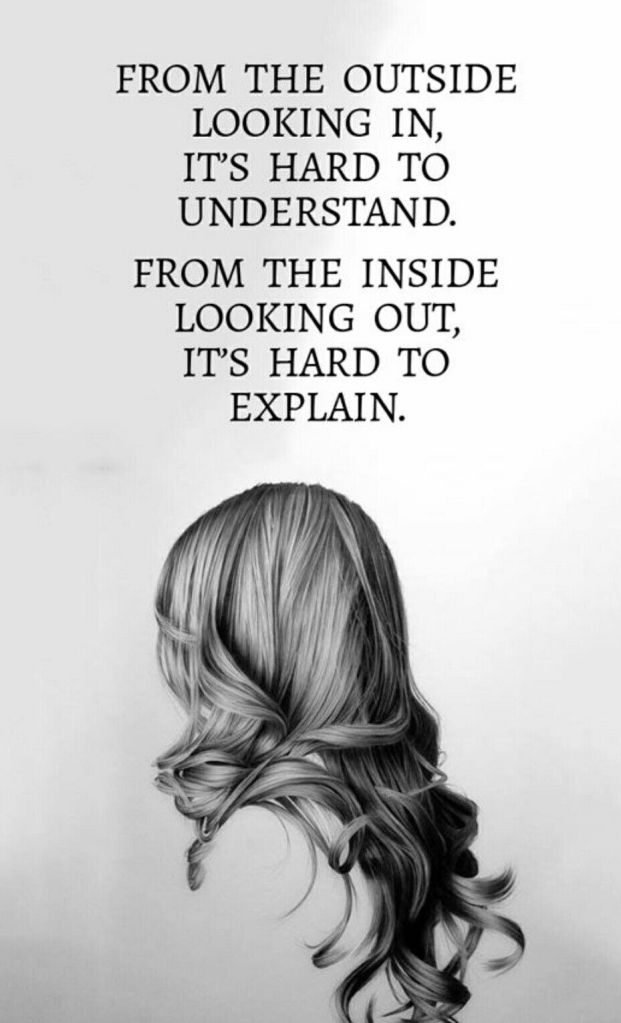
- Depression does not always, in fact it rarely, has a direct source. Your character can simply go into a depressed state or be there the entire time. Of course, it can be triggered by something, but it doesn’t always have such a direction. Good chance that they can’t even explain it. After all, if you can clearly explain what is causing the problem then it’s much easier to fix. Wouldn’t that be a nice addition to the depression diagnosis. Make my life easier.
- You really need to make sure that you don’t equate depression with simply being sad. A character can use the term since people do, but you need to remain aware of what this condition is. It is INTENSE sadness with a sense of worthlessness, hopelessness, and helplessness. You feel like the world is crushing you or that it would be better off without you. This is debilitating and it lasts for days or weeks or months or years to the point where life is difficult.
- Remember the symptoms for your character, but they don’t have to be imbued with everything off the list. Trouble sleeping and low energy can be there, but maybe they mask their depression with a false sense of optimism. Having a hard time focusing, being irritable, eating disorders, and an inability to gain pleasure or happiness from stuff are possibilities too. If you slap everything on your character and them handling their depression isn’t the main part of the story then you’re going to run into a lot of obstacles. So, consider what the story is before you decide on the degree.
- For the love of everything, don’t have the character snap out of their depression because a person gave them a pep talk. That really doesn’t work. Maybe it gets them to acknowledge the problem and get help, which is a good thing. On the other hand, it can just as likely make a person feel like they’re not being understood or even mocked, so they curl even further inside themselves.
- If you aren’t sure if something falls under depression or not then either do some research or skip it. This is like any other delicate situation that you’re including in your story. Sure, instinct and common sense can work if you’re able to imagine what it would be like for yourself. I do that with some of my things after reading up on the basics and factoring in my personality. Still, you want to be careful since people will look at this character very closely.
- Depression does not mean the character is useless, but good luck getting them to believe that. They will have moments where they cannot function and may fail because of their depression, which will make things worse. They can also have times when they save the day and remain depressed. This is the nature of the illness. A step forward can have absolutely no effect on their mental state while even a perceived stumble is the equivalent of stepping on somebody’s newborn baby. Not that thought specifically, but depressed people focus more on what they do wrong than what they do right.
- It’s very tempting for some people to use characters like this for humor or to play the ‘negative’ role. Yes, a person with depression can be a pessimist because they have trouble seeing the positive side of things. This isn’t always the case. A depressed character can also be shy and only speak when they muster up a lot of courage to voice their opinion. There’s a fear of rejection here that can be played out and create sympathy here. Again, it also depends on personality because some may be more chatty and open because they’re hiding their pain.




 Legends of Windemere
A little understanding can go a long way. Thanks.
LikeLiked by 1 person
Great advice. As someone who has had bouts of depression for which I had to take medication, I appreciate the sensitivity.
I immediately recall Bella in New Moon. She was depressed for a good portion of the book. Very challenging for the movie adaptation. But the adapters didn’t skirt the issue. As you mentioned, a lot of times character just seem deeply sad, rather than depressed. I’m glad that some authors/screenwriters these days are consulting mental health professionals to make sure their depictions are accurate.
LikeLike