(Return to the past to understand the future . . . or not. Your choice. I’m not a dictator.)
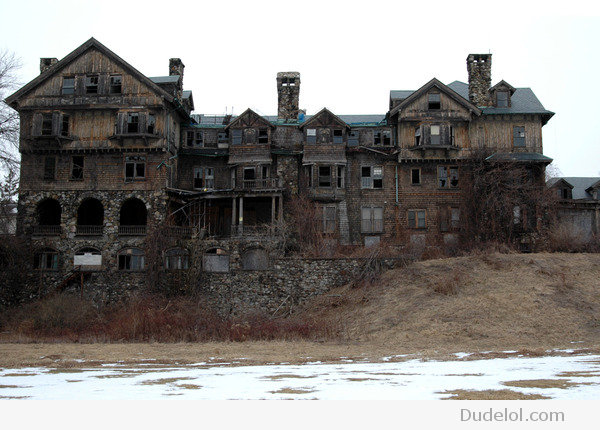
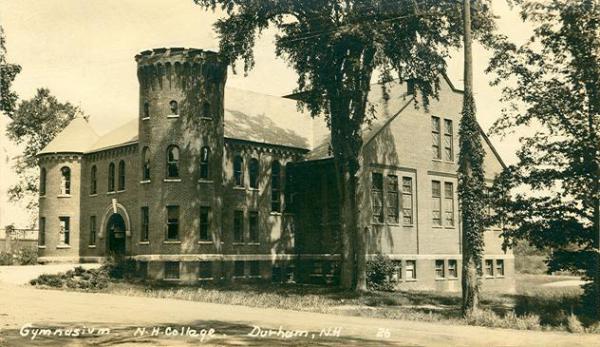
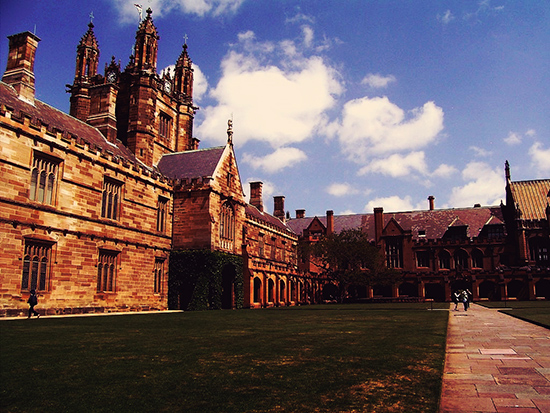
Halcyon Hall of Bennet College
Squinting through the flowing soap, Aurora does her best to reach up and get the body wash bottle that Jennifer is dangling over the shower stall wall. Hearing a muttered curse from her right, her fingers slip and the container falls. Bouncing off the faucet, she is hit by a burst of cold that drives her into the corner. Stretching through the frigid water, Aurora makes it hot again and practically dives into the warmth. She is busy picking up the body wash when a loofah comes sailing over the wall and bops her in the head. A playful laugh from Jennifer makes her smile when she experimentally sniffs at the rose-scented soap. Not a fan of the smell, she considers putting it outside with her regular shampoo. With a sigh of defeat, Aurora realizes that her aggressive friend would probably give her a sniff test. Putting a little of the body wash on the loofah, she goes about cleaning herself of two days of sweat and dirt.
“It looks like I’m leaking oil in here,” Bryce states from her stall. The sound of her fumbling with the hair dye bottle is met with another round of cursing. “I’m telling you, Jenn, that these directions make no sense. Wouldn’t a shower wash out the dye before it has a chance to set? This better not be a waste of my time because I was serious about this. By the way, does anybody have an extra disposable razor?”
“Are we really going to start throwing sharp objects around?” Aurora asks before a box sails over her stall. A startled yelp from Bryce causes Jennifer to giggle, the redhead obviously enjoying the time away from her roommate. “So, I got a text that the boys went to check out Professor Ramel’s office. Apollo said something weird happened and they wanted to meet with us for dinner. Gives us a few hours to hang out and talk.”
“Or we can say no and make this all about us girls,” Jennifer replies in a lazy voice. She pauses when someone walks into the communal bathroom, the whispering person leaving a minute later. “Pledging hasn’t given me much time for socializing with all my non-sorority friends. Should be over in a week, but I’m getting antsy. Not to mention I dread going back to my room. I found half a peanut butter sandwich under my pillow yesterday. Natalie said she knew nothing about, but it isn’t like her boyfriend is smart enough to pull off even the simplest of pranks.”
Aurora throws the loofah back over and puts the body wash outside, her nose steadily becoming used to the smell. “Well, you do act like an idiot around her. She probably doesn’t think much of you. Let’s talk about something more positive. I did my first solo dissection two days ago. It was a-”
The sounds from the other showers change, giving Aurora enough time to consider that something is about to happen. She is busy trying to figure out what is going on when capfuls of water come sailing over both walls. Jolts of cold run through her body as she tries to avoid the attacks, her friends laughing too hard to continue for more than a minute. Aurora can hear their teeth chattering and faint murmurs about needing warmth as the showers return to pumping out steamy water. Taking the hint, she finishes shampooing her hair and quietly stands with her head back to let the suds flow from the long tresses. Hearing Bryce stop her shower and pull back the inner curtain of her stall, she considers doing the same, but the feeling of warm water on her scalp is too good to give up.
Closing her eyes, Aurora puts out her arms to brace herself against the walls and lets out a slow breath. She can feel her muscles relaxing and all of her pent-up tension flowing down her body, the idea of it seeping out of the soles of her feet making her smile. She cannot remember the last time she felt so loose and calm since she has been working so hard for her classes and extra lab hours. The knots in her shoulders and neck make it difficult to relax completely, but she still enjoys the sensation of coming close. Remembering that Bryce knows how to give an amazing massage, she makes a mental note to politely ask her friend when they get back to her room.
On the verge of falling asleep, Aurora scowls as the image of a familiar classroom slips into her mind. Blood is splattered on one of the walls and she can smell burning flesh. Struggling to wake up, she looks around and sees a brown-haired woman standing on the ceiling. The well-dressed figure stops writing in her notebook and stares down at the student like a serpent would eye a mouse. Instead of attacking, the woman pushes her thumb into her golden eye until one of the walls shudders. Aurora screams when the left side of the room pivots up and she is left standing over a dark abyss. Like a cartoon character, she remains hovering for a few seconds before plummeting into the shadows. To her surprise, she wakes up wrapped in her towel and sitting on the bench just outside of her shower.
“Did you have one of your bad dreams again?” Jennifer asks, giving her shivering friend a tight hug. Having heard Aurora shout, she only had time to wrap a towel around herself, making only slightly less clothed than Bryce, who is in her underwear. “All we heard was you yell and then a thud. Looks like you hit your shoulder against the wall and slid down. Good thing you didn’t fall and hit your head.”
“I don’t want to talk about it,” Aurora blurts out as she tries to stand. Her legs feel numb and there is a throbbing in her head, which makes the room spin. “It was different this time. Almost like I showed up late to the dream and was punished for it. The other students were already dead, the teacher was on the ceiling, and I was simply . . . dropped out of the nightmare. Maybe my subconscious is angry that I haven’t slept much or the medication I was taking to help me sleep did something. Apollo doesn’t seem to have these problems.”
“Well, we’re not the types to give suggestions on this kind of stuff,” Bryce mentions while she puts on her shirt. Looking in a mirror, she runs her hands through her black and blonde streaked hair. “You talked about it, which is good. We’re always here for you just like Thomas and Harvey are there for Apollo. Still, you might want to talk to a psychologist together since shared dreams are strange. Maybe the whole twin psychic connection theory would be fun to delve into.”
Aurora is about to agree when she notices that Jennifer is biting her lower lip and tapping her bare feet on the wet floor. “It is killing you to keep your mouth shut and not voice your opinion. For the last time, Apollo and I are not going to do any psychic tests, we aren’t aliens, and I can’t read your mind. Besides, you always think of the number five anyway. Can we get dressed and move on to something else?”
“You’re no fun,” the theater major pouts as she heads back to her stall.
Bryce chuckles as she unwraps her towel from her waist and puts on her pants, the young woman not caring if anyone sees her underwear. Closing the curtain for privacy, Aurora finishes drying off and takes her time getting dressed. Looking for her shampoo, she nervously sticks her head into the shower and reaches for the bottle. The thought that she is still dreaming crosses her mind even though the world feels real around her. Noticing the floor drain, she waits for it to transform into the abyss that continues to lurk in her memories. Aurora relaxes when she hears someone knock on the stall, her snooty neighbor waiting patiently with a towel over her shoulder and a basket of toiletries clenched in her hands. Muttering an apology, she moves out of the shorter woman’s way and uses the outside mirror to fix her hair. As she follows her friends out of the bathroom, Aurora just misses the silhouette in the curtain suddenly disappearing as if the floor has been pulled out from beneath the showering student.