Machu Picchu
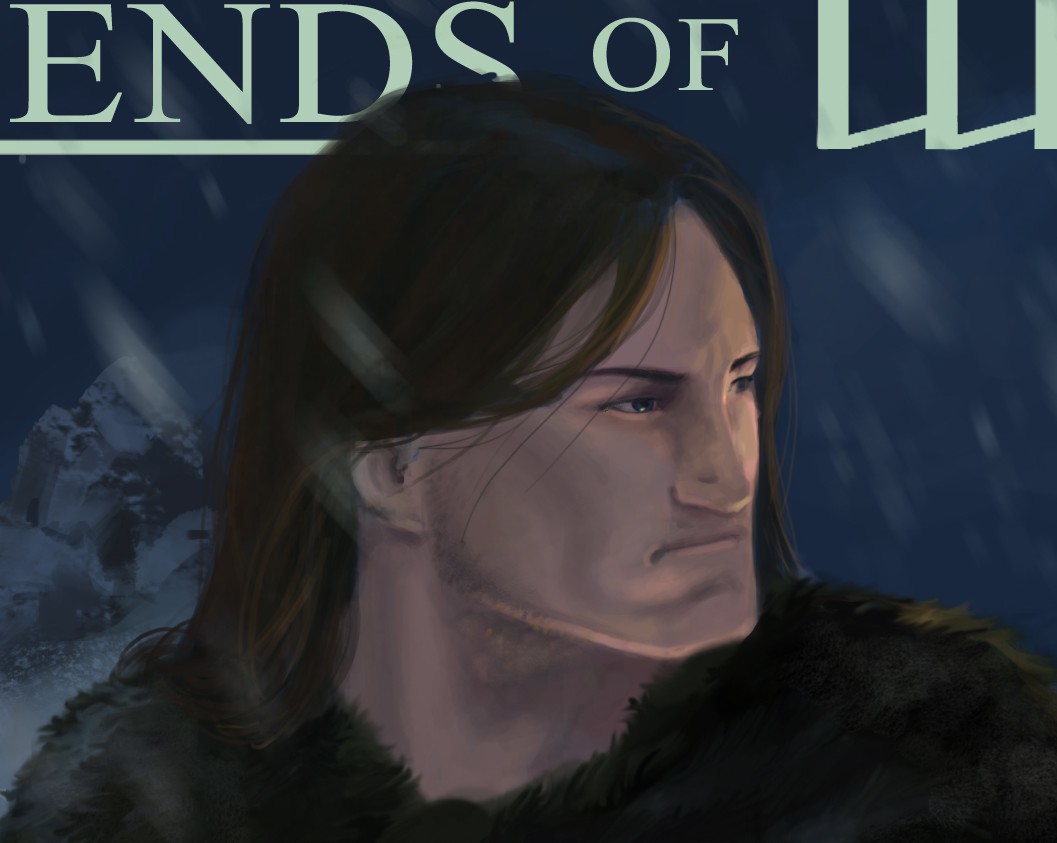
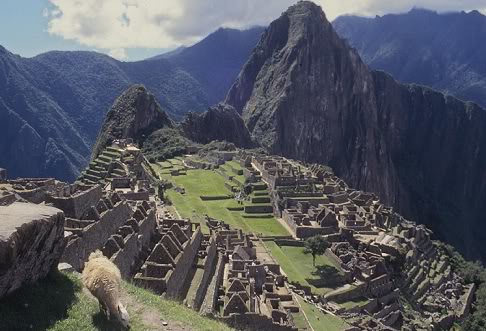
Tribe of the Snow Tiger will introduce a new region of Windemere, which is the edge of the northern mountains. This is just beyond the border of Serab and is mostly wilderness, but that doesn’t mean it’s devoid of civilization. This is where Timoran’s people live in the city of Stonehelm. I used Machu Picchu as a picture because they are similar in appearance and being remote. So, what does this place look like?
Stonehelm Region
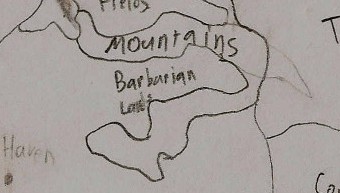
Ignoring my horrible map-making skills, this is the general area for Stonehelm. The mountains curve around with the city tucked into the crook. After writing the book, the valley is straighter and probably a lot shorter. I added some guard towers and tiny bushes in there too. You can see the far end from the city, which has a massive wall on the western side. The other sides are protected by the lower mountains with the backside having a fortress built into it. This is where the Snow Tiger King and Queen live, but the structure has the public library on the top floor and is flanked by the family towers of the high ranking generals. Don’t think that this is total classism because the towers are also used for emergency supply storage and bunkers in case of an attack. If a family refuses to allow these things then their honor is damaged and their rank is given to someone more worthy.
The buildings are all stone with thatched roofs and they don’t get bigger than one story unless they’re inns. Nearly every house has a penned area for livestock or crops, which is shared among the people. This is included with the hunting and gathering that is done in shifts. Most of the gatherers are children who are lead by the shamans who teach them what can be eaten. There aren’t any casters in the barbarian tribes, but the shamans fill the void. These people communicate with spirits and use the natural energy of the land to create spells. Shamans are like a combination of casters and priests in that they pray for power, but it’s to spirits more than the gods.
The surrounding area does have some clumps of forest and several watering holes that are used during the lean seasons. Most days, the hunters travel onto the northern plains and hills where they can find elk and dread boar. Something else that the hunters do is keep an eye out for wild brew ingredients. These are herbs and berries used to make Ifrit mead, wild rum, and the non-alcoholic drinks that are given to outsiders and children. Keep in mind that nearly every culture in Windemere has unique drinks. Yet, the barbarians have another reason why they brew stuff that gives a warm sensation to the body. Winters can be brutal with winds whipping off the colder regions to the east. They live in a region that can be struck by sudden snowstorms, so it’s a necessity to have something that will give you a little internal warmth until you find shelter.
If you read the books and met Timoran then you know that these barbarians aren’t the ‘Big People Smash!’ types. They’re warriors, but also philosophers and artists among other things. A reason for this is because their ancestral rage is very dangerous. These non-warrior activities actually help temper the barbarians and make it less likely that they will snap. This is also why Stonehelm is a developed city instead of a crude town like most outsiders expect. A push for more civilized activities has led to a unique culture even among the barbarian tribes. Most of those around Windemere are fine with letting their primal natures fly, but the Snow Tigers went in another direction. One has to wonder why that is. Maybe the answer is in Tribe of the Snow Tiger.
Seriously though, there is a secret about Timoran’s tribe that came out of nowhere. Not that it doesn’t make sense, but I didn’t see I was heading toward it when I created Stonehelm in the first place. It was a fun twist that I think does a lot for Timoran and his people.

 Back in February I put out a plea to authors that might want to be interviewed on my site. A lot has happened since then. One thing is that the number of followers for my blog has grown exponentially. I attribute the popularity of these authors as one of the contributing factors for this growth.