
Today is ‘African Penguin Day’, which brings attention to the plight of a species found in South Africa. They are critically endangered due to overfishing, climate change, and habit destruction such as oil spills. In fact, their populations have been declining steadily since the 1800’s when there were millions of them. Now, there are less than 20,000 mature African Penguins with only 9,900 breeding pairs. Let’s look at some facts to understand these animals that need our attention and protection:
- They are also called Cape Penguins, black-footed penguins, and Jackass Penguins. The last name is due to their braying call, which resembles a donkey.
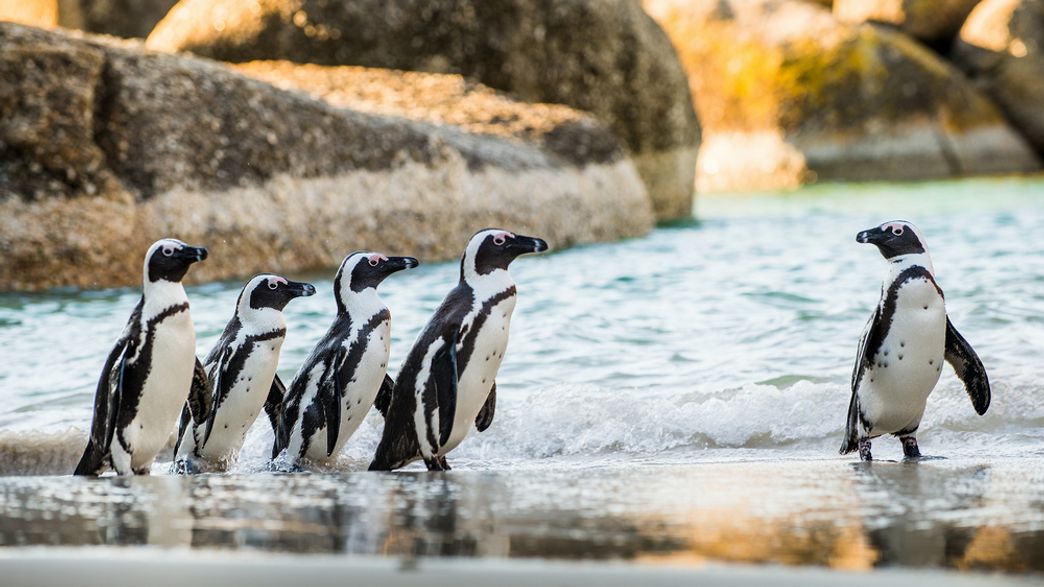
- They live on the coastlines of South Africa and Namibia.
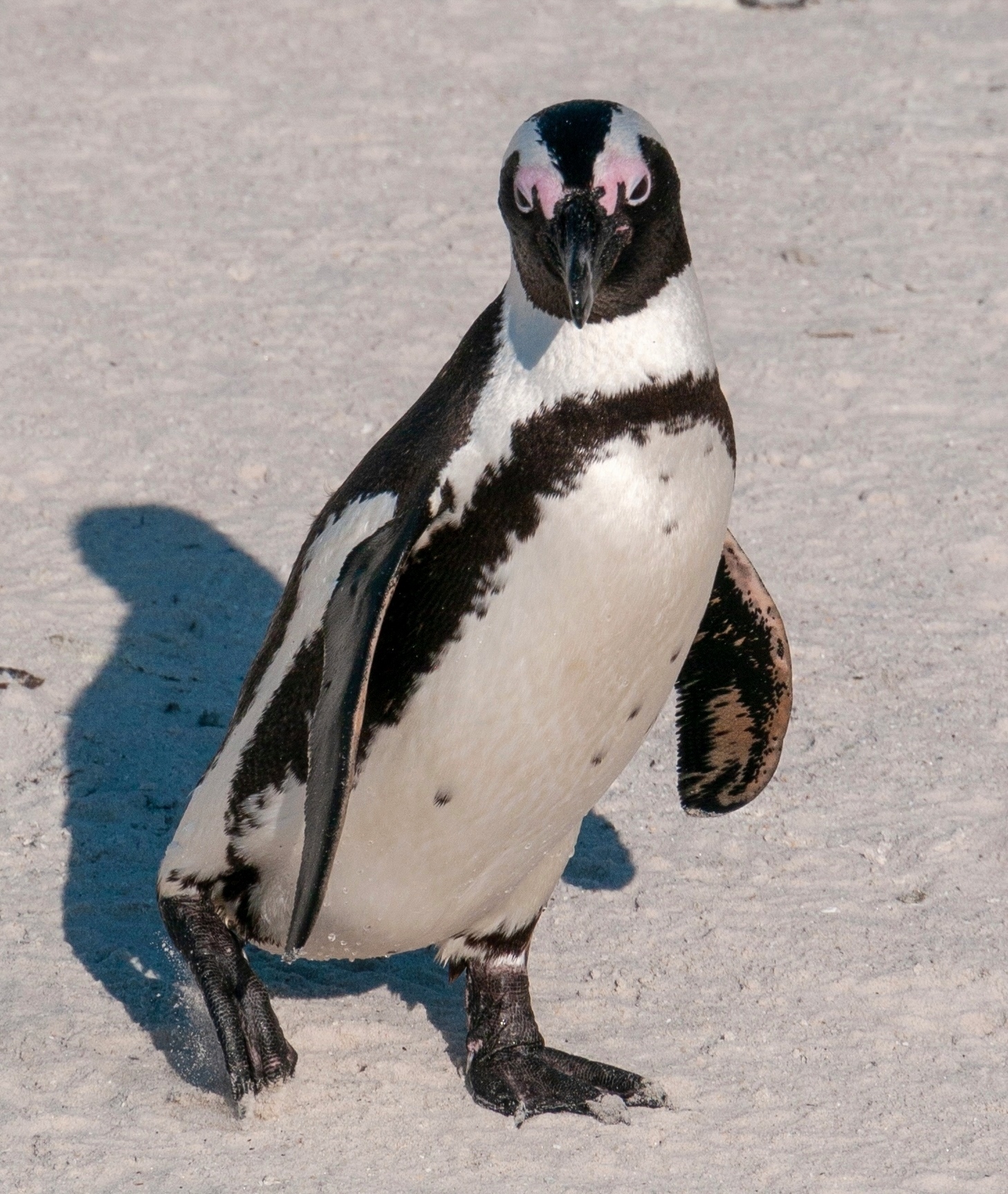
- Aside from their braying call, these penguins are distinguished from other species by the pink patches above their eyes. When the temperature gets hot, blood is pumped to these patches and heat is released from the body. This acts as natural air conditioning.
- Every penguin has a unique black dot pattern on their chest. This is similar to human fingerprints and tiger stripes.
- African penguins will hunt in groups to herd small fish to the surface.
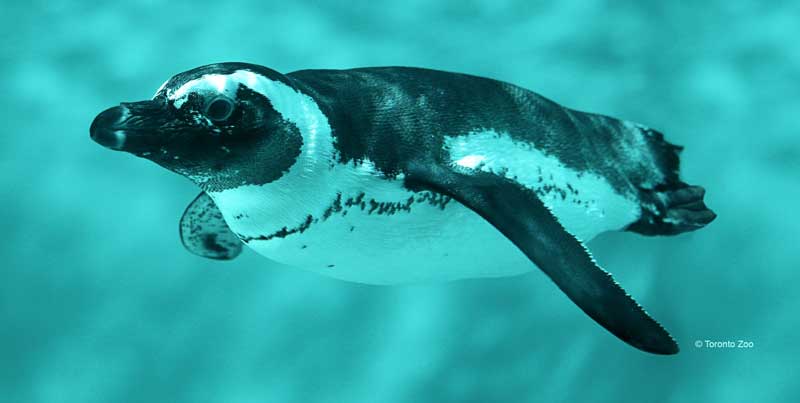
- They can hold their breath for over two minutes and dive around 400 feet.
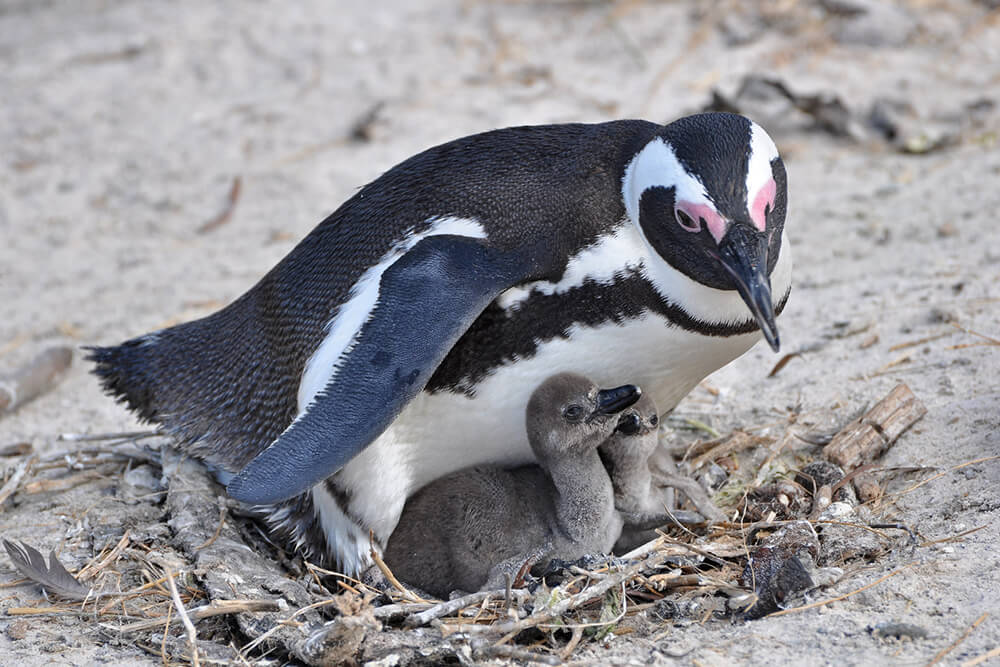
- Both parents are involved in keeping eggs warm and raising the chicks for the first 30 days. Once they are 30 days old, the chicks are left in groups with adults while the parents go hunting. These are called nursery groups.
- 80-90% of African penguins mate for life.
- As stated, a cause of their decline is overfishing of their food sources like sardines. This makes them an indicator species, which means their decline shows a disruption in the environment.
- Their main predator are the cape seals, but humans have caused them to interact more with land predators such as caracals and dogs.
- Penguins have flattened corneas, which prevents light from bending when underwater. This gives them hazy vision when submerged, but they also have a third eyelid that protects their eyes from saltwater.
- Penguins can see ultraviolet light.
- They drink saltwater and sneeze out the salt instead of drinking fresh water.
Let’s look at some pictures and videos:







It’s sad these guys are in such a decline. Probability not getting much help from the African nations either.
LikeLike
Local nations appear to be helping as much as they can. Breeding programs and protected areas help. The biggest issue is international shipping vessels taking most of their food for foreign consumption. No real way to combat those.
LikeLike
Oh, oil spills in the area too. It’s definitely looking like foreign hunger for oil and sardines is sacrificing them.
LikeLike
What a sad thing that these penguins are endangered. I love penguins, all sorts. Maybe due to an early commentary by Jacques Cousteau? We saw many penguins when we were in the Galapagos.
LikeLike