
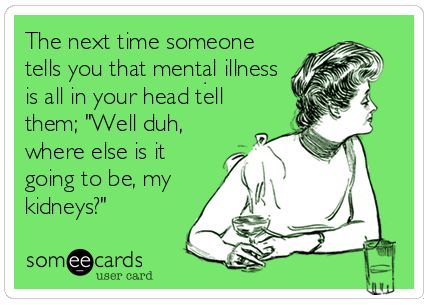
This is a tough one to tackle because it’s hard to fully define mental injuries. The most general definition that I’m going to work with is when a person is psychologically and/or emotionally hurt. This doesn’t mean it’s a long-term mental illness, but that could happen depending on the circumstances. It’s all in where you want to go with this, but it’s definitely more complicated than physical injuries.
Perhaps one of the best ways to explain this situation is to use the example of grief in fiction. It may seem like one of the easiest character-building emotions to inflict on your characters, but it can be tricky. Even if you go with the immediate response to a loved one’s death with a surge of anger, you’re going to have to touch on the 5 stages at some point. You can’t have the hero get over the death within a few pages, but you might not want them to hold onto their grief for the remainder of the story. You can’t have them functionally perfectly while also bawling and claiming to have no energy because of their loss. In other words, you need to make sure the emotion behind mental injuries don’t come and go like a wisp of morning fog.
The most important thing to take away from this is that you need to maintain the emotional impact instead of having it be a blip. You need to play it out like a major plot point because a character typically can’t continue in the same fashion if they are mentally suffering. There is the option to have them push the pain down and barrel forwards, but you need to touch on the situation at some point. Saying a hero has been hit by doubt and anxiety, but continues without any hesitation comes off as a lie. They have to act accordingly and, if you want them to recover, find ways to heal.
Another issue is when authors don’t create an emotional impact with or for the characters at all. If you expect the readers to feel a certain way then you need someone in the scene to demonstrate. Not bluntly, but use them to transmit the desired emotions to the readers who will hopefully made a connection by this point. Otherwise, you’ll have arguments, deaths, losses, and just about every negative event with no real depth. People will simply go through the motions of the story like the characters and walk away to probably forget about what they read. So, the emotional damage you inflict on heroes can be what makes your stories worth remembering and sticking with. Sounds dark, but people love seeing someone knocked down and get back up.
Getting back up shouldn’t be easy too. I know I said this before, but it is worth repeating in the same post. A way to figure out how to do this in a timely fashion could be to partake in research. Read up on how real people have dealt with the emotions and mental issues you are using. For example, the 5 stages of grief are a common and useful tool when handling loss. You can learn how people get through their lives while handling depression or anxiety. Even something as ‘minor’ as a sense of loneliness may require delving deeper into the emotion to see how harsh it can be.
Maybe I should add this to the post as well:
Sadness is NOT Depression.
Nervous is NOT Anxiety.
This is just a pet peeve of mine because I’ve seen people use these terms as synonyms all the time. A person who is nervous or sad tends to be so in a temporary situation, which just occurred. When they are hitting depression and anxiety, the person has been mentally battered for an extended period of time. The former can be changed with either the end of the situation or a simple talk afterwards. The latter continues LONG AFTER the triggering situation(s) is over and needs a lot of work to handle. Another point I would make is that anxiety and depression can be life-long battles, so you have to be careful if you inflict them on your heroes.
So, what do you think about mental damage in fiction?




 Legends of Windemere
I haven’t read many books where mental illness is a factor. Someone Close to Home by Alex Craigie comes the closest. But it’s certainly interesting to consider incorporating this into a book – or even children with genetic disorders affecting the brain (Fetal Alcohol Syndrome)?
LikeLiked by 2 people
Genetic disorders aren’t used often. At least in a way that makes them anything other than a burden.
LikeLiked by 3 people
A wonderful book, by Alex, Noelle. I really enjoyed it. But, yes, Alex does come close with this one.
LikeLiked by 1 person
She does – a good, good writer.
LikeLiked by 1 person
I think any kind of emotional damage makes for a compelling story, especially if someone suffers from depression or PTSD. Lots of room for flashbacks, night terror, and other depictions of trauma. I remember in New Moon (part of the Twilight saga), the protagonist went through a period of depression. While that aspect didn’t make the movie adaptation interesting (the character sat there as months on a calendar were shown in a montage), I could relate to her struggle, since I have suffered from depression.
If a character has suffered serious mental trauma, but the author doesn’t show the fallout from it, then the trauma can’t be that serious.
LikeLiked by 1 person
Never saw or read Twilight. Sounds like the movies messed it up. Good point on that kind of thing not working well.
LikeLiked by 2 people
I think it is important to demonstrate the situation, even without naming the condition. I also admit this will vary depending upon the genre and its conventions.
LikeLiked by 2 people
Naming conditions can be a mistake too. Once you do, people needlessly the character for specifics. If you miss a symptom or make it anything other than textbook, you get criticism.
LikeLiked by 3 people
I think a mental condition would play well in a police drama or war story where these things occur in real life. I don’t think I would try one though. A thought provoking post, Charles.
LikeLiked by 2 people
Good points. PTSD is a ‘popular’ obstacle for authors to use.
LikeLiked by 2 people
😊
LikeLiked by 1 person
An interesting one, Charles. I’ve had characters experience the death of a loved one, but not any other mental health problem. I suspect I didn’t handle the loss very well, either! They got over it rather too quickly, I think, but I couldn’t have the character being incapacitated for too long.
LikeLiked by 1 person
Grief is a tough one. You can’t have it last too long, but it needs to occur. I’ve tried having characters continue in while grieving. I figure it doesn’t always have to be incapacitating.
LikeLiked by 1 person
Authors do tend to go for some kind of emotional blow as a motive for the main character to be in the story. Especially in screen writing for some reason. They want the hero to be “dark and vengeful” so they will kill or harm a wife, child, etc. This just seems to me like a cheap out, and especially if the character pops back up with no lingering trauma, it makes for an unsatisfying story.
LikeLiked by 1 person
While it’s cheap, I think it’s also very relatable. It explains a cold distance that one can readily associate with grief and heartbreak.
LikeLiked by 1 person