
Published on March 13, 2013 and I did better than I thought on this subject. I know I did another post years afterwards without remembering this one. Still, this is from when I went big with my non-promo and poem posts. Good thing I tempered my word spewing on topics because I think I wandered off at times.
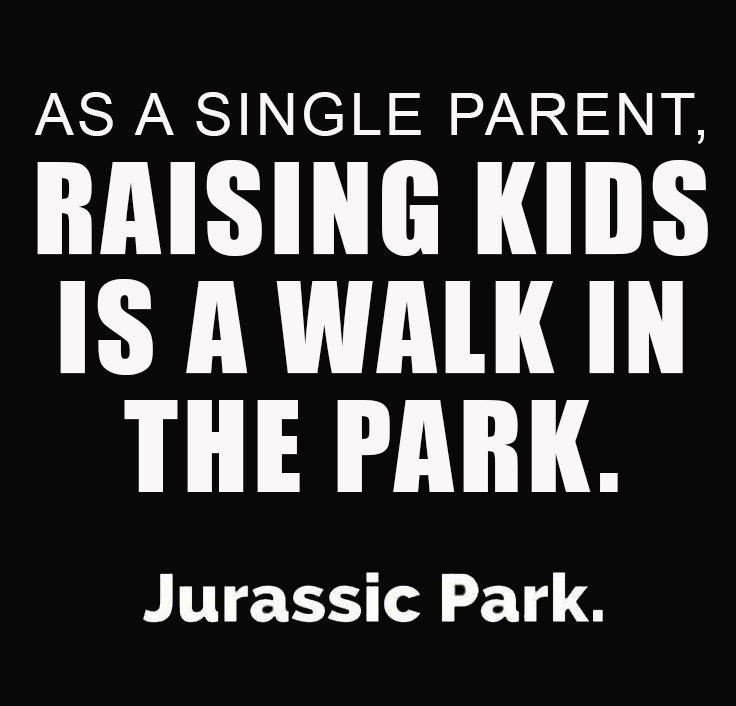
There are several types of protagonists that one can choose from. You have true blue heroes, anti-heroes, resistant heroes, silent heroes, and so many others that have their own strengths and flaws. One of the most difficult heroes, in my opinion, is the child hero. This is the boy or girl who carries the story while not yet old enough to drive, drink, shave, or even in the stage where the opposite gender is icky. I think this is a difficult protagonist to work with because the author is an adult and it’s too easy to go from one extreme to the other. Many child protagonists are either highly immature to the point where you start rooting for the villains or so mature that you begin to think they’re not really a child. Now, you can get away with going this route for the first book of a series or early in the story, but you have to evolve the character.
One of my favorite child protagonists is Ender Wiggin from Ender’s Game. I’m sure this is a bad example because he’s a child genius and in a military academy that wants to break and mold him. Still, he began the story as a realistic child who was being bullied, had a temper, had doubts, and resisted what was going on. He had a great balance of maturity and immaturity that made me connect him to his age. More importantly, the events that happened to him changed him by the end of the book. I’ve read several books with child protagonists where the child is unchanged by everything that has happened. The child just slew a demon after seeing a friend die and a village burn? That child should not be the same cute-talking ball of pure innocence from the beginning. Not unless you’re trying to make the child character entirely oblivious to what is going on.
Personally, I try not to use this type of protagonist because I don’t trust myself. I don’t think I could find the balance between childish immaturity and the maturity needed to carry a story. I would have a hard time trying to figure out where the parents are too. I do admit that when a child protagonist is highly irritating and has the maturity of a rabid kitten, I start to wonder where the parents are. I have that voice in my head going ‘nice job raising this pain in the ass!’ and then I start hoping that the child takes the hint and acts like I should care. Still, this character is a child, so you can only do so much before he or she cries and goes running home to mommy.
I think this is where people go wrong at times. A child needs to have moments where they react to situations like a child. Bad things are happening? Most children will cry or question why bad things happen. Very few will grab a weapon to rush into battle or accept things as they are. A benefit of using a child protagonist is that you have a character that looks at the world with an untainted view. Children have that way of questioning things, uttering the most direct statement about a situation, or acting on less thought out ideas. I’m going to pull this lever without hesitation. The dragon might be lonely and not psychotic. I don’t like that royal advisor because he looks creepy. All of these are situations that an adult wouldn’t think of or act on, but a child protagonist will, which helps to carry a plot. Many writers try to avoid doing this because they think like an adult and forget to step out of their skin for a bit.
I’m going to mention another example to demonstrate a milder child protagonist evolution. The Night Ones Legacy by Gwen Bristol (plug!) is a great example of how to use a child hero. Lily demonstrates that she is insightful and cunning in a 12-year-old method, which means she isn’t always right or practical. Many times she seems to make things more complicated or misread things entirely. She also possesses a childish stubbornness that isn’t some unbreakable will, but something that can be talked down or tempered with a stern voice. She reacts accordingly and grows throughout the book until she hits a moment where she has matured enough to handle the main plot. A great trick that Gwen uses here is writing the book in Lily’s perspective, which focuses the mindset of the author and reader.
I can only give the following tips for writing a child protagonist:
- Watch children to see how they act. Staring at children from the shadows at a park or playground is not recommended.
- Talk to children and ask them what they would do in certain situations. Again, don’t do this from the shadows, in chat rooms, etc. Just ask a parent’s permission before interacting with a kid.
- Pay attention to the vocabulary that you give a child. Not just what they say, but what they understand. A 12-year-old doesn’t typically understand advanced physics terms unless they’re supposed to be a hyper-genius prodigy aka the cop out kid.
- Remember the physical limitations of a child. They cannot run, lift, reach, or do things at the same extent as an adult. Unless the adult in question is so out of shape that Jabba the Hutt would offer money for them to join Weight Watchers.
- Keep in mind that children can be distracted by things that many adults would typically ignore like flowers, cute animals, toys, and . . . okay, I know most adults would get distracted by these. Remember that a child has a different reaction to these things than adults.
- If unsure, ask a friend to read some scenes with the character in them and ask them what they think. Get brutal honesty through bribery or demanding it.
- Make an editing run through the entire manuscript, focusing on if the child is consistent and believable in attitude, maturity, and evolution. There’s always the risk that an author will start off great, but get too comfortable and let the child protagonist slip into a more adult mentality without a catalyst.




 Legends of Windemere
Great advice, Charles. Finding the right voice for a child can be challenging – I’ve been caught out several times by my critique group!
LikeLiked by 1 person
That’s good. Hope they were kind about it.
LikeLike
They were excellent with good suggestions!
LikeLike
This is a great post! It helps that you are a parent. Would you change anything based on your current job in a school?
I agree that Ender is a great child character. My assumption here is you’re talking about child characters in books written for adults. If so, the kids I admire the most are in To Kill a Mockingbird. Scout, Jem, and Dill are some of the most well-realized child characters I have ever read.
LikeLike
Don’t think I’d change anything. I haven’t written many child characters, so it isn’t anything I’ve taken on yet. Seeing kids as kids helps too.
LikeLiked by 1 person
Writing kid characters is tough. You’ve given some excellent tips.
LikeLike
Thanks. 🙂
LikeLiked by 1 person
Children are difficult enough to write even when they aren’t the protagonist.
LikeLike
Think they’re easier or harder to write as villains?
LikeLiked by 1 person
Ooh! A good question.
Probably harder. We tend to think of children as innocent little creatures. But in my experience, they can also be pretty villainous at times.
LikeLike
I think people forget that children don’t always have a moral compass. They learn it from those around them, which can mean that a child does bad things without any concerns.
LikeLiked by 1 person
I think these are good tips. I haven’t completely gotten there yet. The youngest one I wrote was still in high school.
LikeLike
That comes with its own challenges.
LikeLiked by 1 person
When I have a child protagonist, I try not to think through their reactions because of plot considerations or anything else. I’ll have them just say or do the first thing that comes to mind. Even if it’s inappropriate, that can still bring life to the character and maybe even liven up the plot with a little twist.
LikeLike
True. We have to bring down our own common sense and maturity for these characters.
LikeLiked by 1 person