
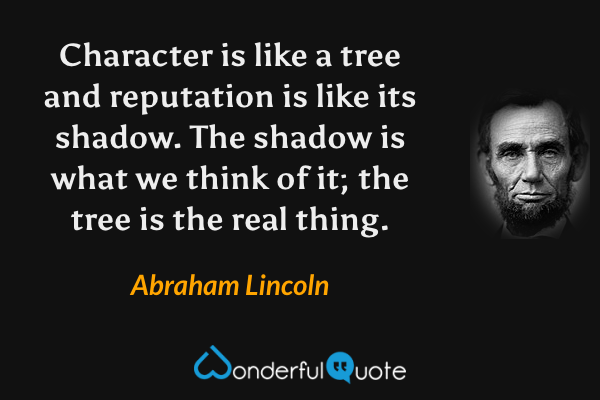
This sounds like a stupid question because the answer should be obvious. A hero is defined by their reputation, which is created through words and actions. If they aren’t acting like a hero, they won’t be seen as one. So, why ask the question?
The reason is because I’ve seen a lot of stories where the hero will stop being heroic, but still be treated as such. The consistency is broken by them no longer following their established morality path. It can happen if triggered in the story, but I’m talking more about weird blips of bad behavior. For example, the noble hero who refuses to kill will take a life without a second thought or remorse. Then, the story goes on as if that didn’t happen. It breaks the character’s reputation with the audience even if the in-world fans aren’t phased. It can tarnish the entire book because that character no longer stands for what they claim to.
Let me make it clear that I mean reputation in the same story and not a reimagining or retelling of a character who has been around for decades. That does open the door for some flexibility because you can show how they developed their moral code (Man of Steel) or have them be ground into the dirt by years of fighting a brutal fight (Batman vs. Superman). This is still a challenge though because fans hate change and will pounce on such things without seeing if there’s a reason for it. The lose and rebuilding of a reputation can be a storyline, but it’s one where the readers need to be willing to face the darkness.
Fantasy is an interesting genre with reputation too. You have great heroes spoken of in legends who are either adventurers or war heroes. This ends up creating the idea that certain actions we can’t do in our world are allowed. Killing is the big thing, especially of monsters. Imagine a person running around our world slaughtering lions. . . Well, we do have people doing that and they’re called a poacher. That’s mostly because we see lions as part of our environment and dragons as cool, but not necessary to an ecosystem. So, the world rules and perspective helps give some flexibility to heroes getting away with certain actions.
Another part of the reputation questions is rationalization. Not only for the character to do so, but the readers. Sure, a hero can totally give a clear explanation for why they let a town burn down. It doesn’t mean they’re right since positive reputations don’t mean a person is infallible. A reader might still go along with it though depending on their own thoughts on the characters. The common example I use is when Luke Callindor in Beginning of a Hero ran into a mouthy asshole. He was already established as a noble, if not immature, hero who won’t kill on a whim. Yet, people wanted him to murder this guy. I’m sure I’d have gotten backlash if I had him to do it too, but that would make more sense since it was out-of-character. The desire to see even slightly bad people get severe punishments is a major factor on hero reputation in the eyes of readers. Maybe it’s a little bit of wish fulfillment because they would love to kill those they don’t like and get away with it.
Going back to the title question, the reputation of a hero is incredibly important both in and out of the story. I would so more so with outside because the audience needs to enjoy the hero to keep going in a story. Consistency is crucial to establishing and maintaining a strong reputation too. Not easy to do because an author is human and might do something for the story without realizing it wouldn’t be what the characters would do. At least we have editing for that though. Still, authors really should consider the reputation of their heroes when actions are taken. It would bring a stronger dimension to their overall growth and stability.




 Legends of Windemere
Reputation is indeed a fragile thing – like the shadow, it can be blocked or erased. Character will bring it back, but it’s an uphill battle.
LikeLiked by 1 person
Definitely hard to recover if it’s lost.
LikeLike
This has been an interesting topic. I wonder if the desire to have heroes change their moral code is because some readers superimpose their own ideas on characters. Like when people complain that Superman is “a boy scout,” because they don’t believe someone could be that noble. And maybe they think killing someone is “easy,” because they hear a lot of news stories of deaths.
I agree about the need for consistency. I think if a hero has a reputation, there needs to be some explanation as to why he or she would go against that.
LikeLiked by 1 person
It really makes you realize how many people would go supervillain if given powers. Bad guys usually justify their actions as morally right.
LikeLiked by 1 person
Sad but true.
LikeLike
I vote fro maintaining the reputation of the hero. It doesn’t make sense to change it. If it does then maybe a twin brother scenario would work instead.
LikeLike
Evil twin? That’s definitely a popular option.
LikeLiked by 1 person
It’s much easier to lose a heroic reputation than to build one. Just think of how it happens in real life. The media, at least in the UK, build someone up as being something special, then take great delight in finding out negative things about them, and knock them down. End of popularity, and sometimes even jobs.
Should we take into account things done earlier in life? I have a character who was involved in a criminal gang when he was very young. He fought street battles, and killed opponents.
Then he was taken in by an arch age to learn magic. While there, he inadvertently caused the death of a lawyer. Yes, he was a bad man (the lawyer) and it was an accident, but caused by carelessness.
This character ultimately became a hero. But he hides his past. Should his past be considered when judging him now?
LikeLiked by 1 person
The thing with the media knocking people down is that the person still usually did the negative action. I think it’s more that society has to stop thinking it has members who are perfect and unflawed. Idol worship is a dangerous path.
With earlier in life actions, it really depends on what they did and how they changed. Your description sounds like someone who did what he could to survive. Some people may understand that while others won’t let it go. Accidents can be understood as well, but people simply have their own unique moral code.
For example, the majority of people would never support someone with a history of sexual abuse and rape. That’s a deal breaker for most . . . Yet, there is a percentage of society who will overlook such things if this person did something they personally liked.
LikeLiked by 1 person
A lot depends for me on the total story you’re trying to tell. I think it’s okay to have a hero feel darker needs — revenge, lust, etc. The writer can show them struggling to hold those feelings in check. If they momentarily are weak, part of the story can be how they come back from their mistake. Whereas a character who embraces the darkness could turn into a villain.
LikeLike
If it’s set up in the story for them to falter then it definitely works. My question deals a lot with how readers will expect a hero to throw away certain morals such as killing and stealing. It’s a weird opinion I’ve run into where a reader expects a hero to kill an annoyance in cold blood.
LikeLike
So many good tales could be based upon the words of this post. That internal struggle is everything. It isn’t just powers and skills, it’s resisting what those abilities would allow the character to do. Great post.
LikeLiked by 1 person
Thanks. Definitely a good storyline if the struggle is depicted throughout.
LikeLiked by 1 person