
So, this animal isn’t endangered, but it really is cool. There are actually three species of electric eel as well:
- Electrophorous electricus– discharges 480 volts
- Electrophorous varii– discharges 572 volts
- Electrophorous voltai– discharges 860 volts
Before I list some facts, let’s get an overview of how these animals operate. Electric eels have collections of special muscles called electrocytes. These have a positive side and negative side, which is like a battery. Once these are triggered, they release the electricity using three organs. The main and the Hunter’s organ releases powerful blasts to drive away predators or stun prey. The Sach’s organ release weaker pulses to navigate and find mates.
Here are some electric eel facts:
- Electric eels aren’t actually eels. They are more closely related to catfish.
- They have terrible eyesight.
- As stated, they navigate by releasing weak electric pulses to find food, mates, and get around in general.
- Electric eels can grow to 6-8 feet.
- There are three electricity-created organs: The main, the Hunter’s Organ, and the Sach’s Organ.
- When fighting a predator, they will twist to make sure they deliver the full shock.
- They can jump out of the water if they sense danger or prey above.
- Males create a nest during the dry season using foamy saliva. They guard the eggs until the rains come.
- Electric eels breathe through their mouths due to the low oxygen waters they live in.
- 80% of their body is made up of their electricity organs.
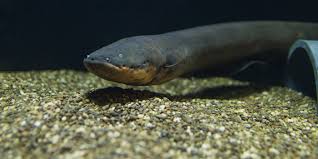
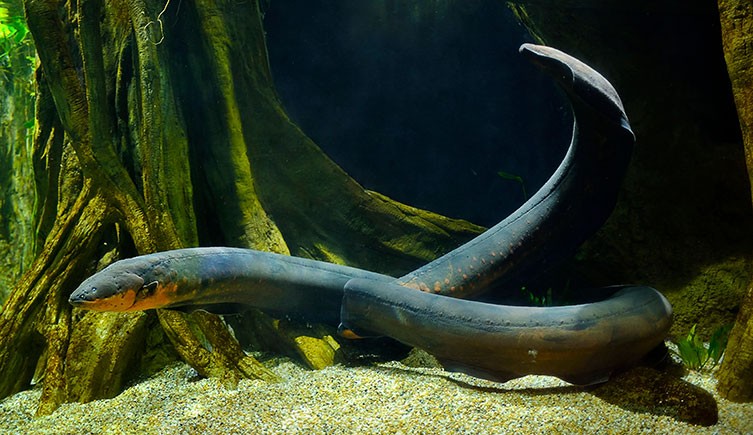
Here are some pics, but more importantly videos:







What happens if a human gets shocked by one of these eels?
LikeLiked by 1 person
It hurts. They can kill if the person has certain health issues or circumstances allow it.
LikeLiked by 1 person
Ouch!
LikeLike
Wow.The water is the best conductor, too.
LikeLiked by 1 person
Good point.
LikeLiked by 1 person
Zzzzzzzzzt
LikeLike
Fascinating and scary.
LikeLiked by 1 person
Definitely admire from afar.
LikeLiked by 1 person
Yes!
LikeLike
They really are creepily impressive.
LikeLike
Seen them at aquariums. Creepy and impressive definitely fit.
LikeLiked by 1 person