
(Originally posted long ago on ‘World Pangolin Day’. I feel like people need to remember they exist considering how much poachers love them. Really hope they can be saved.)
I find these animals fascinating. Never knew about them until my son started watching ‘The Wild Kratts’ when he was around 4. I mean, I knew there were armored anteaters out there, but I didn’t know much more than that. So, I had to make a post about the pangolin even if it’s a day late. I mean, they’re on my list of animals to post about anyway. I promise the orangutans will be here in 2 weeks.
Pangolins are the most illegally trafficked animal in the world. For example, in 2019 it was found that 1,000,000 pangolins were trafficked over a 10-year period. That’s one trafficked pangolin every 3 minutes. That’s insane.
Also, keep in mind that trafficking is the only reason they’re endangered. They’re not suffering from a plague, losing their habitat, or being taken out by an overpopulation of predators. Well, that last one is kind of true because humans are the predators. Some countries believe pangolin meat is a delicacy and that their scale have medicinal properties. While the USA doesn’t do that, we do have a demand for their skins to use for leather products. Guess if it has scales, an American will try to make a boot, belt, and/or purse out of it.
Here’s a great site for more information: SAVE PANGOLINS!
Now for pictures of the 8 species. 4 are found in Africa and 4 are found in Asia. I couldn’t find population amounts, which worries me. All pictures found in a Yahoo Image Search.

AFRICAN SPECIES: BLACK-BELLIED PANGOLIN (ALSO CALLED THE LONG-TAILED PANGOLIN)
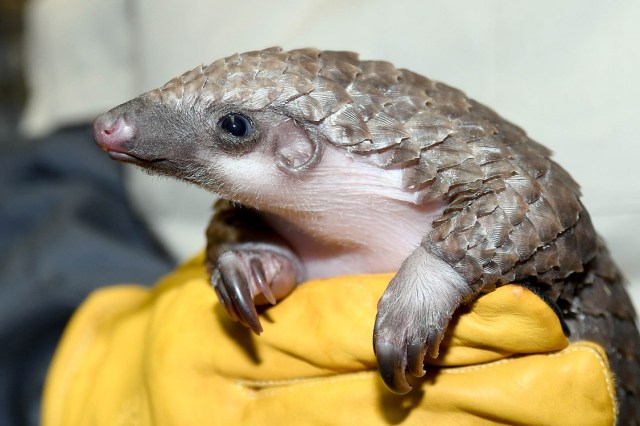
AFRICAN SPECIES: WHITE-BELLIED PANGOLIN
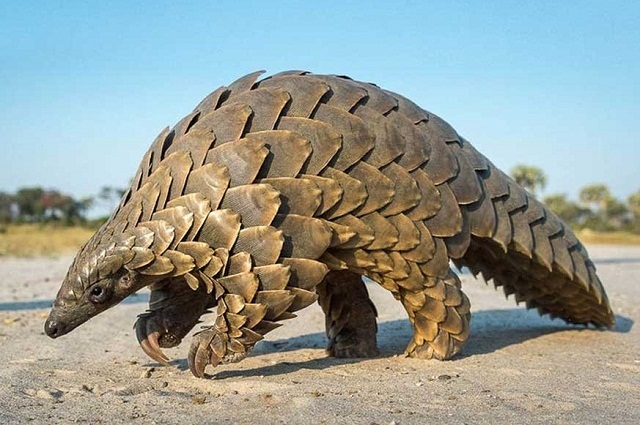
AFRICAN SPECIES: GIANT GROUND PANGOLIN
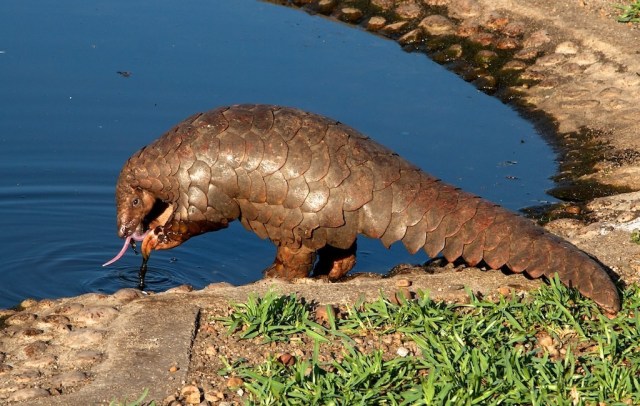
AFRICAN SPECIES: TEMMINCK’S GROUND PANGOLIN
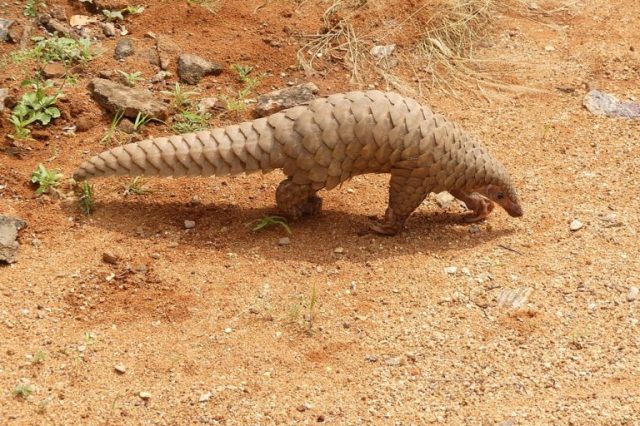
ASIAN SPECIES: INDIAN PANGOLIN
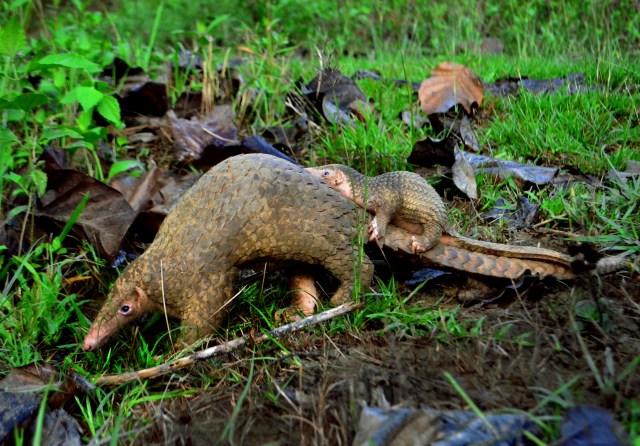
ASIAN SPECIES: PHILIPPINE PANGOLIN
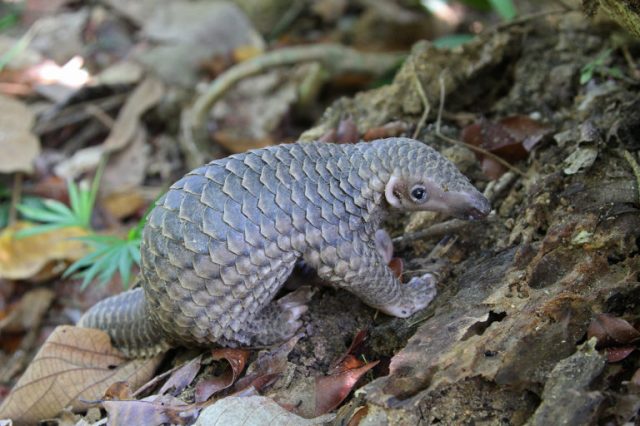
ASIAN SPECIES: SUNDA PANGOLIN
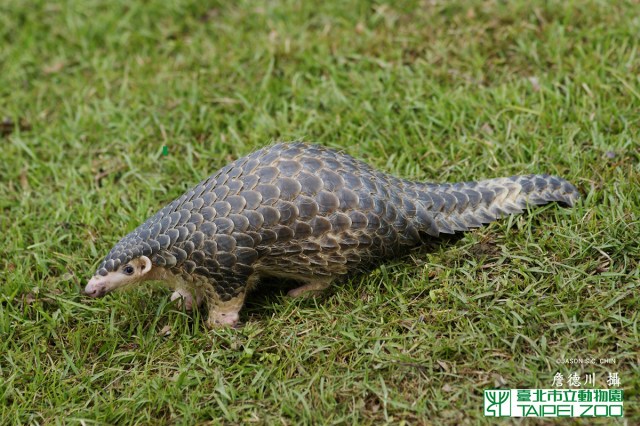
ASIAN SPECIES: CHINESE PANGOLIN
There’s all 8. Now for a cute video:





 Legends of Windemere
They are very cute, and curses on the US and other countries where they are trafficked, especially for their skins! Dreadful!
LikeLike
It’s primarily Asia and Africa where they’re trafficked. Other regions have markets even with protection laws because rich people are going to be assholes.
LikeLike
Agreed. The world has too many of them!
LikeLike
Sad that these cute creatures are being trafficked.
LikeLike
Glad something is being done. Yet I’m noticing a turn away from protecting nature lately.
LikeLiked by 1 person
I haven’t noticed. Will keep my eyes open.
LikeLike
I hope you’re wrong, Charles. Now, more than ever, nature needs protecting. The problem is, as I see it, the majority of humans aren’t aware of nature except as a nuisance–biting and stinging insects, weeds in the garden, other creatures raiding dustbins etc. But without nature, we can’t exist, either. We’re a part of the food web, whether we like it or not.
Once, humans were attuned to the changes in the seasons and what to plant, what is available to eat etc. Now not so much.We can get strawberries at Christmas, but when I was growing up, they were only available in May and June, and as a result, a real treat.
LikeLike
I’m going to partially disagree. Majority of humans aren’t aware of nature because they’re struggling to survive. If you’re living paycheck to paycheck or just trying to maintain your existence, the grater world doesn’t get attention. So I’ve found most people become concerned once they’re made aware. They’re still stuck with no power since government and corporations do whatever they want. For example, I read wild horses in America are about to be slaughtered. They were protected with occasional population control culling, but this is different.
LikeLike
You have a point, Charles, but it’s people who live in cities, away from nature, who find their lives too busy and difficult. And it’s awful about the horses! Culling, yes, bur wholesale slaughter. No.
LikeLike
These are such darling little things. I hate to think of them being killed for their scales and their meat. What is wrong with people.
LikeLike
A lot if you examine human history.
LikeLiked by 1 person
They’re quite beautiful.
LikeLike
Cute too.
LikeLiked by 1 person
Yes!
LikeLike