
Months ago, I saw an article about the Arctic Woolly Caterpillar. This moth larvae lives in extreme cold environments and survive with an interesting method of hibernation. It puts itself into a state of hypothermia by producing a natural antifreeze and freezing solid for several months. They thaw for the brief summer to feed and then freeze again until they mature, which takes around 14 years.
This got me wondering about other animals that hibernate in ways that we don’t think about. Let’s be honest. Most of us think of bears and groundhogs sleeping through the winter, but there’s more.
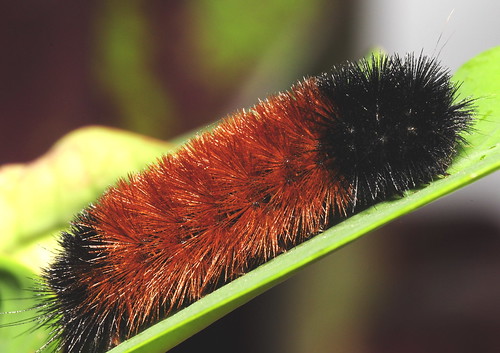
Arctic Woolly Caterpillar
Box turtles do something called brumation, which isn’t hibernation. Still, it’s interesting to learn about. Brumation is what reptiles and amphibians do. For box turtles, they burrow into the ground or go under roots to slow their metabolism and heart rate. They are not in as deep a state as hibernating mammals, so they will wake up occasionally if they need food and water.
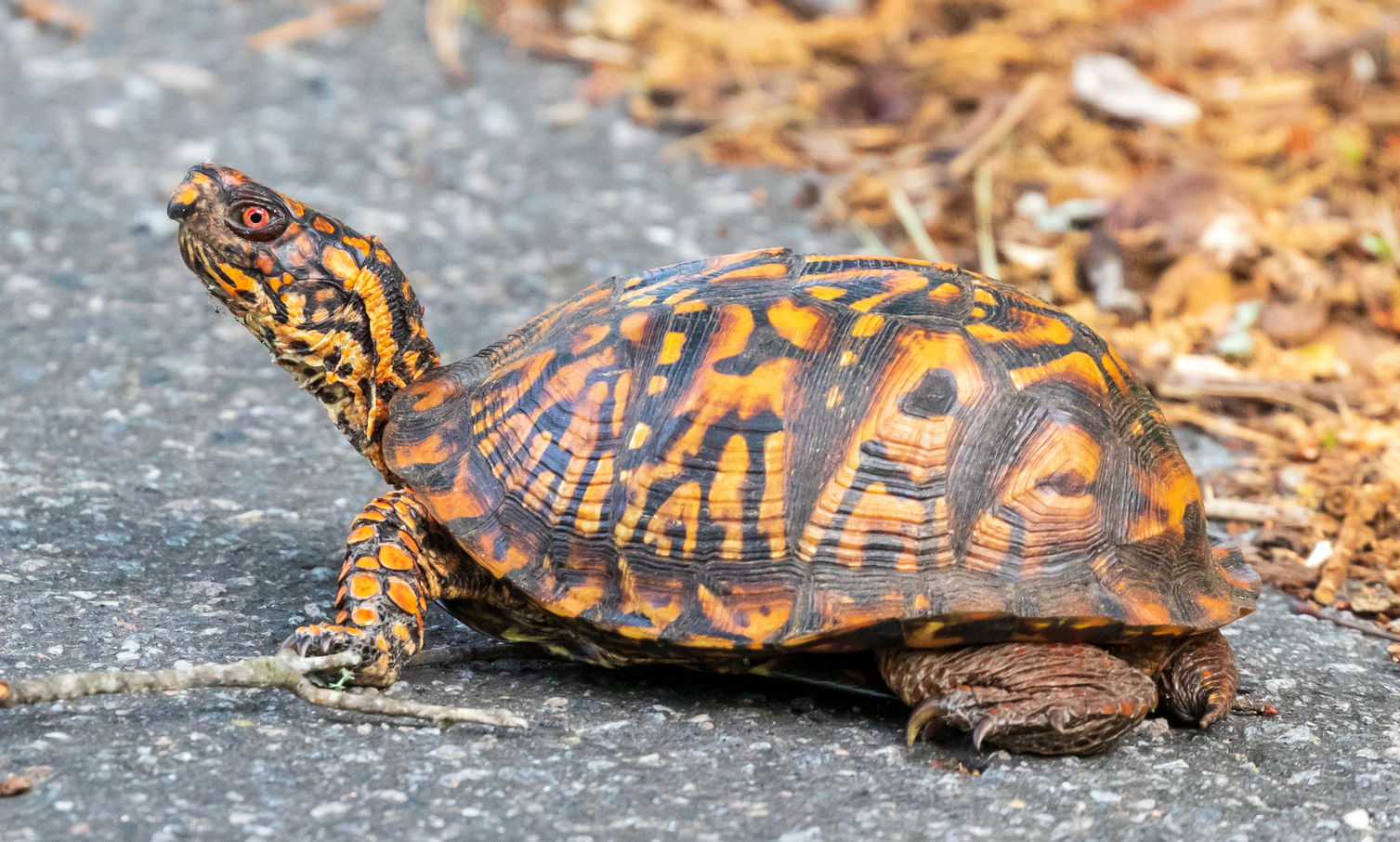
Box Turtle
Bumblebees hibernation is also called diapause. While most of the hive dies off, the new Queen enters a dormant state after mating. She goes into the dirt, rodent tunnels, or hides in leaf litter. The last one is dangerous though since us humans tend to clear our lawns of leaves, which kills any insects sleeping within. Now, the Queen survives off body fat and stays warm by secreting an antifreeze like the woolly caterpillar.
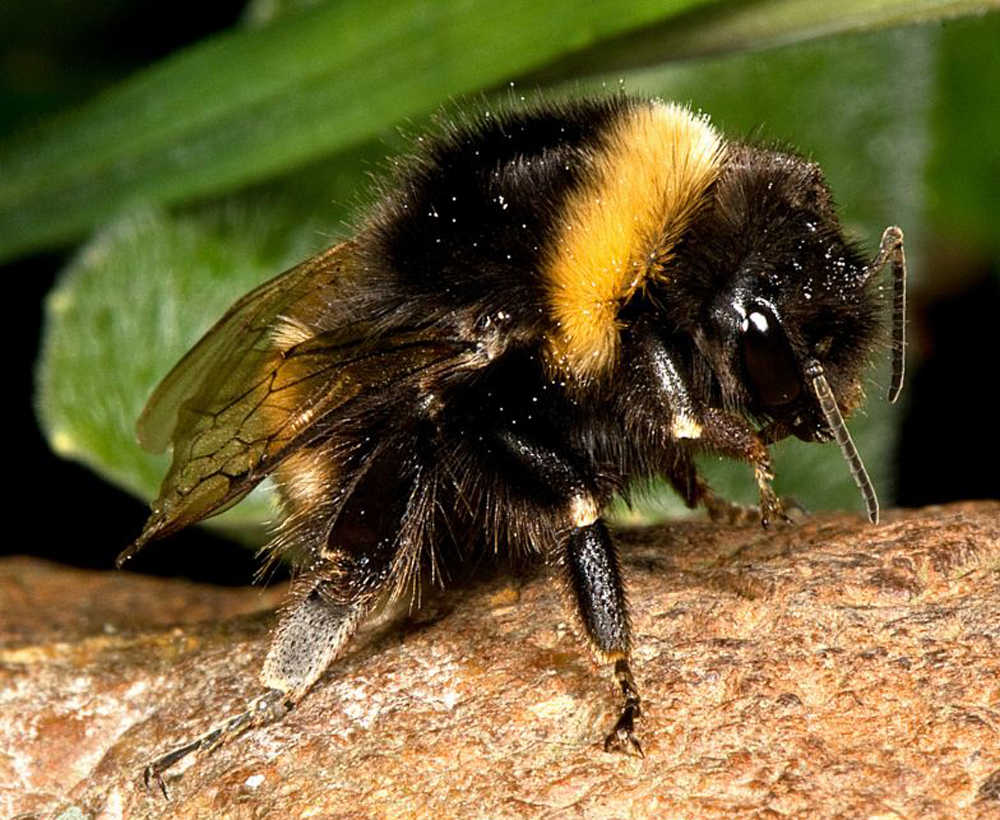
Bumblebee
The Common Poorwill is the only bird that hibernates. They enter a state called torpor, which is a death-like sleep. This lowers their metabolism and vitals for even months until the weather warms and food becomes more available. Before sleeping, they get into rocky spaces where they will be safe.
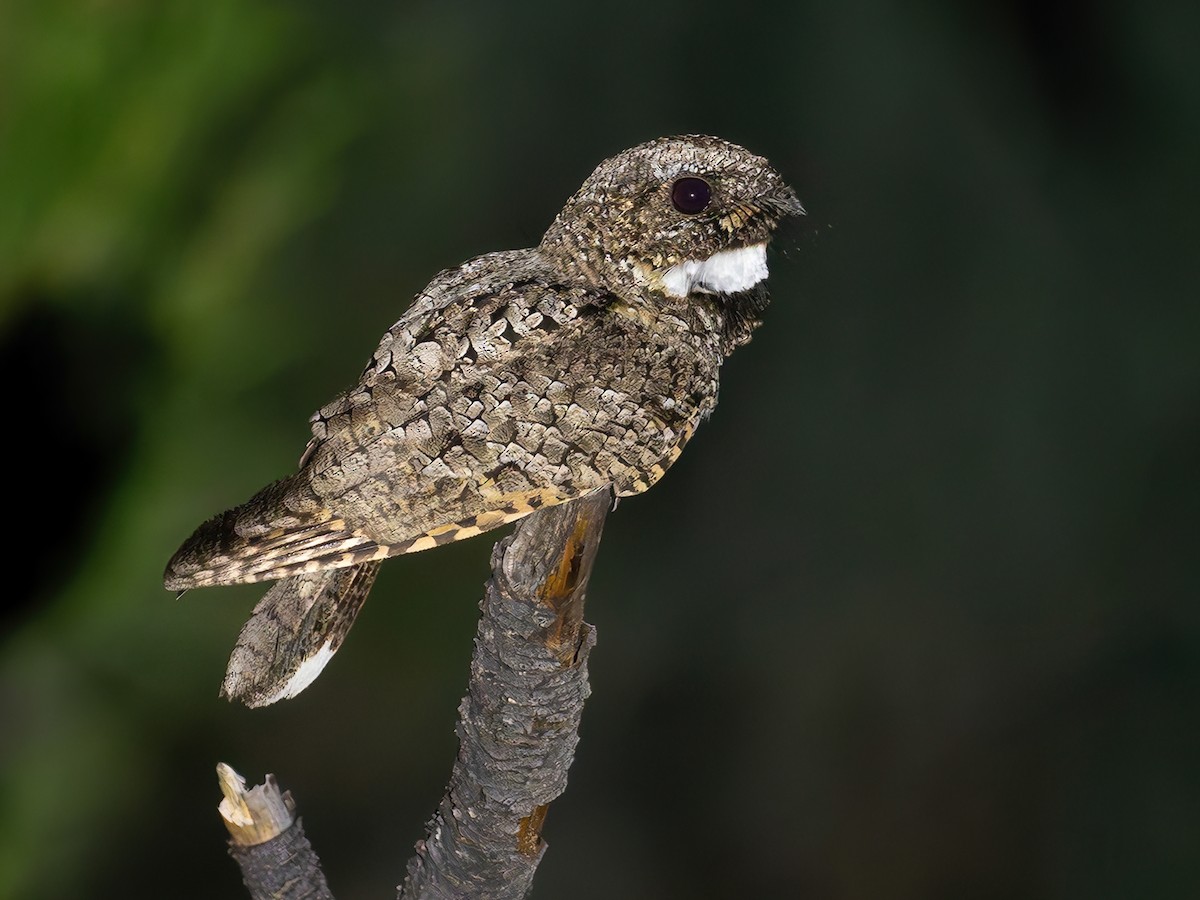
Common Poorwill
The Fat-Tailed Dwarf Lemur is the only hibernating primate. During Madagascar’s dry season, they enter a state of torpor for nearly seven months. Vitals go down and they match the surrounding temperatures while getting nourishment from the fat stored in their tails. The tails can make up 40% of their weight before hibernating.
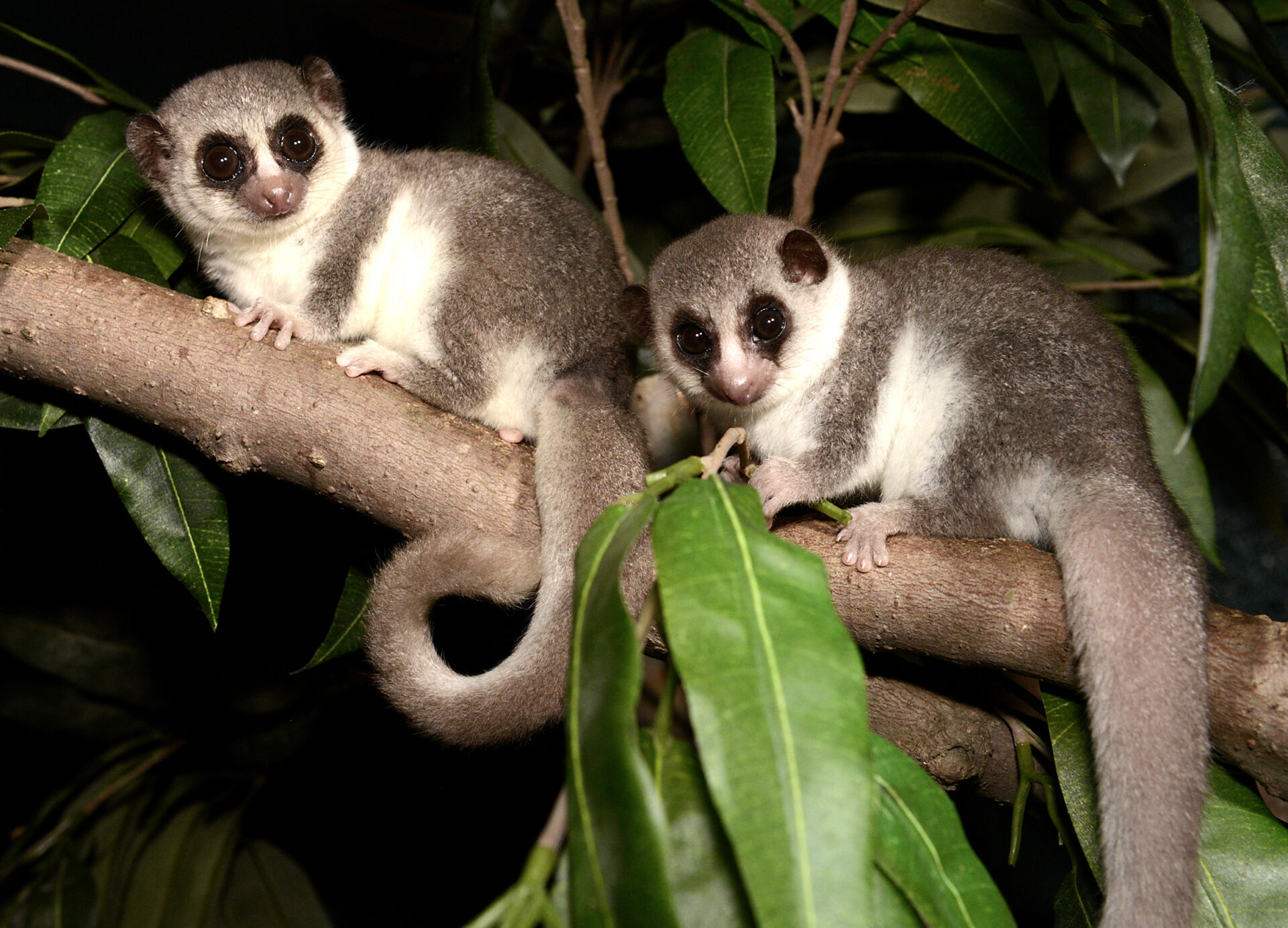
Fat-Tailed Dwarf Lemur
Garter Snakes enter brumation like the box turtles. The difference here is that snakes will hibernate in a massive group. This helps them stay warm during the cold periods.
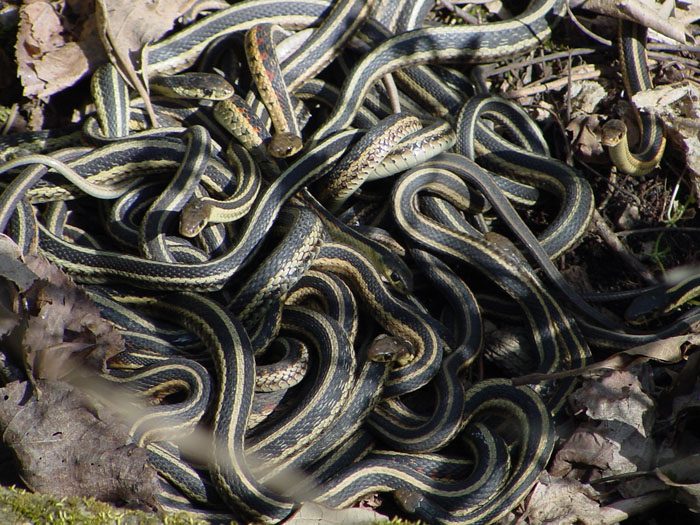
Garter Snakes
Snail hibernation is also called estivation. This can last months and even years. As many of the previous hibernators, they burrow into the ground before their metabolism and vitals slow down. The unique addition here is that they seal their shells with a plug of dried mucus called a epiphragm. Snails will do this for extreme cold and heat too.
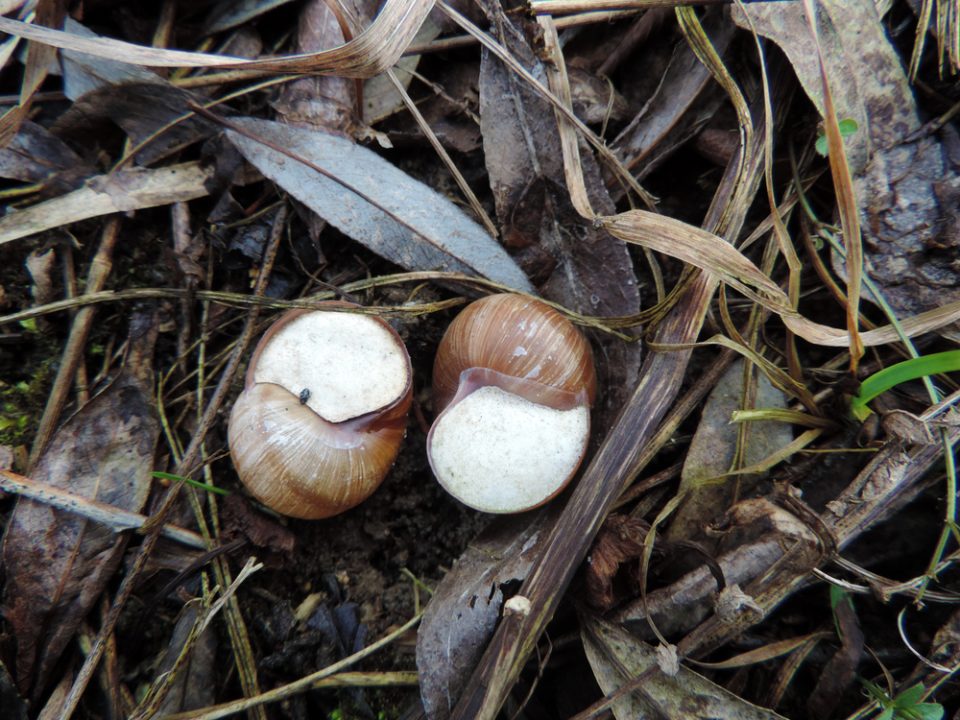
Snails
Here is the Wood Frog, which is another animal that does brumation. The reason I kept another brumator here is because they do something different than the box turtles and garter snakes. Wood Frogs secrete antifreeze like the bumblebee and caterpillar, so they freeze solid within the leaf litter. Their heart and breath stop entirely, which means this is cryogenic freezing. The ice forms around their cells without penetration, so they can survive until the rising temperatures thaw them out.
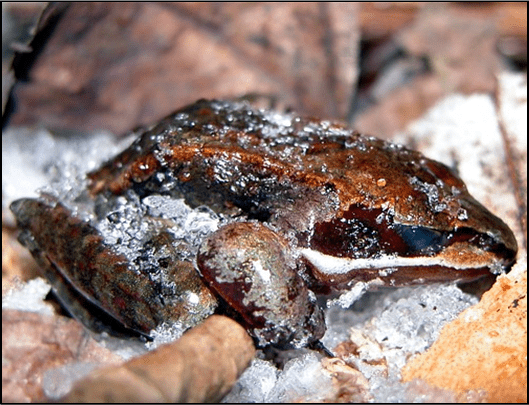
Wood Frog





 Legends of Windemere
Wow. You got me with that wood frog. Frozen solid until warming up. Amazing. Good stories, Charles.
LikeLike
I heard of it long ago then forgot. Can’t even imagine that. Wonder if they dream while frozen.
LikeLike
I wonder if they dream at all.
LikeLike
Amazing stuff, Charles. I had no idea of this!
LikeLike
Thanks. Glad you enjoyed it.
LikeLiked by 1 person
Very interesting
LikeLike
Thanks.
LikeLike
Amazing, every one of them. Isn’t nature wonderful?
LikeLike
Definitely.
LikeLiked by 1 person
I love your animal/nature posts.
LikeLike
Thanks.
LikeLiked by 1 person
You’re welcome.
LikeLike
Nature really is amazing. The only story I never finished is called Estivation and it just hangs there in limbo.
LikeLike
What was the story about?
LikeLiked by 1 person
Science fiction about a planet that has one unsurvivable summer season. People “estivate” in underground bunkers, but the MCs are in the same bunker as a killer.
LikeLike
Yikes. Slasher mystery type of thing.
LikeLiked by 1 person
Kind of, yeah.
LikeLike
So fascinating, how life will find a way.
LikeLike
Very true.
LikeLike
The wood frog is certainly the most unusual, I wonder if it inspired the creator of cryogenics!
LikeLike
Maybe. Though I know the whole ‘frozen mammoth’ finds inspired a lot too.
LikeLiked by 1 person