
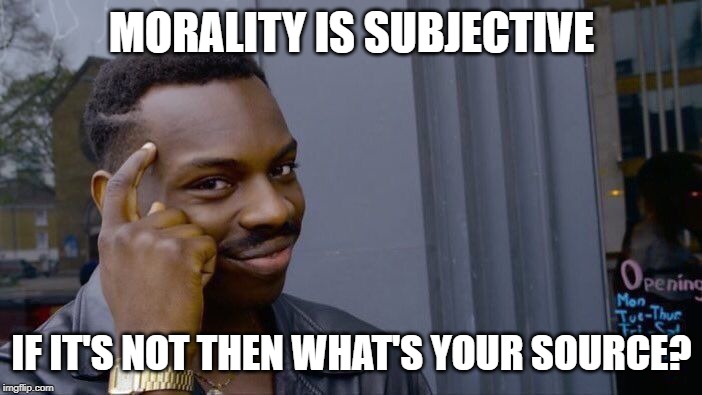
One of the toughest parts of a story is considering the morality, which we don’t really pay much attention to. Why? We tend to assume everyone believes in the same concept of ‘good vs evil’. In general, the definitions of what those two sides are can be universal, but things get shaky once you step into an individual’s mind. Some reasons are because:
- Two people can look at the same character and see them in different lights. A person who agrees with them will see them as a hero while those who disagree could see them as a villain. For example, the character of Homelander in ‘The Boys’ was seen as the main hero by a percentage of the audience. He was brutal and short-fused, but they thought he was fighting for the right side. Others saw him as an evil version of Superman with an inferiority complex and authoritarian tendencies.
- Once you start coloring a character as ‘morally gray’ and keep them in the middle, you will have some people who think they are the bad guy. Others will see them as the good guy. This is colored by a reader’s personal code of morality and what they themselves would do for their own causes. It might not be what the author would do, which is where disagreements can happen.
- Everyone has different life experiences, which evolve our sense of morality. This means, everyone can look at a situation and see it through a different moral lens. For example, a person who has been raised to forgive even the most horrible of actions will see a character doing so as strong. One who was raised to never forgive and seek vengeance would see them as weak.
There are plenty more of scenarios, but the main point I wanted to get across is that an author and reader might see things differently. An author can put out one moral code and have it be translated into 100 different ones, except for the one they intended. You never know if this will happen because you can’t always pinpoint every single reader you are going to get. Someone can always show up and think your heroes are immoral for one reason even if you thought they were acting pure. This definitely falls under not being able to please everyone, but it comes with an added headache.
People take morality very seriously and are very likely to be vocal about an author they feel is pushing immoral behavior. This can result in a public fight because the author or other readers decide to disagree. It’s hard not to say something too. This isn’t someone saying the book is badly written. They’re attacking the morality of the book and, by extension, the author, which feels personal. It can also drive readers away more than most types of criticism because nobody wants to read a book that is immoral. Not unless its billed as such.
Is there anything that can be done? Yes and no. An author can work to make the morality of characters clear. Whether it be good, evil, or in the middle, a character needs to be clear in where they stand and stay there for the most part. Establishing a solid morality can lessen the chance of misunderstandings. This goes for every character too and you can have a variety of codes. With more variety, a reader will have some characters they agree with and others they don’t. This reduces the chance of them calling the whole book immoral and prevents them from attacking the author. It’s not a foolproof plan, but it can reduce your future misunderstandings and generalizations.
So, what do other people think about times the morality of authors and readers clash?






I think readers and viewers are going to think what they want to think regardless of how careful the author is in his or her characterization. I’ve seen readers insist that they know better than the author about his or her creation even after the author explained his/her thought process about the character.
LikeLike
I’ve been there. Ran into readers who swore my characters meant one thing even though I was pointing out that they didn’t. Seems to happy a lot when it’s a female character who is comfortable with her sexuality.
LikeLiked by 1 person
This made me think of A song of Ice and Fire (George RR Martin) where Daenerys and Arya with their extreme actions, though understandable, become morally disturbing. But as a reader I still supported them. After plowing through hundreds of pages…
LikeLike
I never read or watched. I noticed how often people turned on characters or defended horrible actions. It’s interesting how easily we can justify extremism if the perpetrators explain it as justice.
LikeLiked by 1 person
Agreed!
LikeLike
As a reader, if I think there is some kind of morality breach, I can stop reading. I think this goes for other readers as well. I’m all for letting the writer’s write.
LikeLike
I guess the question is ‘what if the author or character doesn’t see it as a breach?’ This is where things get iffy. People don’t always have the same morality codes.
LikeLiked by 1 person
So true.
LikeLike
This is a cool topic and it’s one that I struggle with. As we drift more and deeper into echo chambers, those of like-kind will find each other. For whatever reason, this seems to devolve into hate speech and attacks. We can’t please everyone, so I just try to write fun stories and let the chips fall.
LikeLike
Good point. You’re always going to have a group that shows up to hate. They aren’t being perfectly catered to, so they think everyone is either annoyed like them or ‘sheep’.
LikeLiked by 1 person
You’re so right that authors can’t control how our readers respond. They have their own life experiences that color how they react to situations. At times they also have figures in social media always looking to create controversy, and not everyone can realize when they’re being manipulated for the sake of clicks.
Certainly authors can be sensitive to our content and circumstances in the world. We can choose our fictional situations and whether to be satiric, neutral or scathing toward them. But for example I don’t think I would write anything touching on pedophilia right now. There are too many hot feelings directed at specific individuals. It’s just asking to be part of a firestorm that wouldn’t truly be related to my art.
When confronted by an angry reader or group, authors need to remain professional. It’s like with negative reviews. We can acknowledge the point of view, but not engage with personal accusations and attacks. The very worst thing is to get into a public flame war with a reader. It makes the author look bad, no matter how provoked.
LikeLike
It’s tough being an author in such a sensitive period of time. For example, you write a character who can be perceived as a certain religion and people flip out. Doesn’t matter if the story takes place in a fictional world. This is where I get rather disappointed in humanity too. Writing stories in worlds where the rules, history, religions, cultures, and everything are different shouldn’t bring in attacks from real world issues. At least not if the author wasn’t touching on it.
Part of the issue is also that social media causes people to think their moral code is the only real one. So, they’ll get upset even at fictional characters who don’t follow it. This leads to them thinking the author supports horrible actions. The amount of times I’ve seen authors get attacked because they had their villain commit a crime is ridiculous. The bad guys are supposed to do horrible things.
LikeLiked by 1 person