
Debuting on July 31, 2013, I finally brought any end to the weapon posts. Not saying they were bad, but I didn’t stick to my schedule at all. Looking at the dates, I hadn’t even been blogging for a year and it was clearly still a scattershot operation. I think Prodigy of Rainbow Tower was debuting and that threw everything off. Anyway, this post also told me that there was an armor one as well. I have to hunt that down and I’ll post it up on Sunday just to make sure the set is complete. As much as I still agree with the subject matter and my opinions haven’t changed much, I really was terrible at setting up schedules and post themes. Glad I’m reposting this stuff and putting everything closer together.
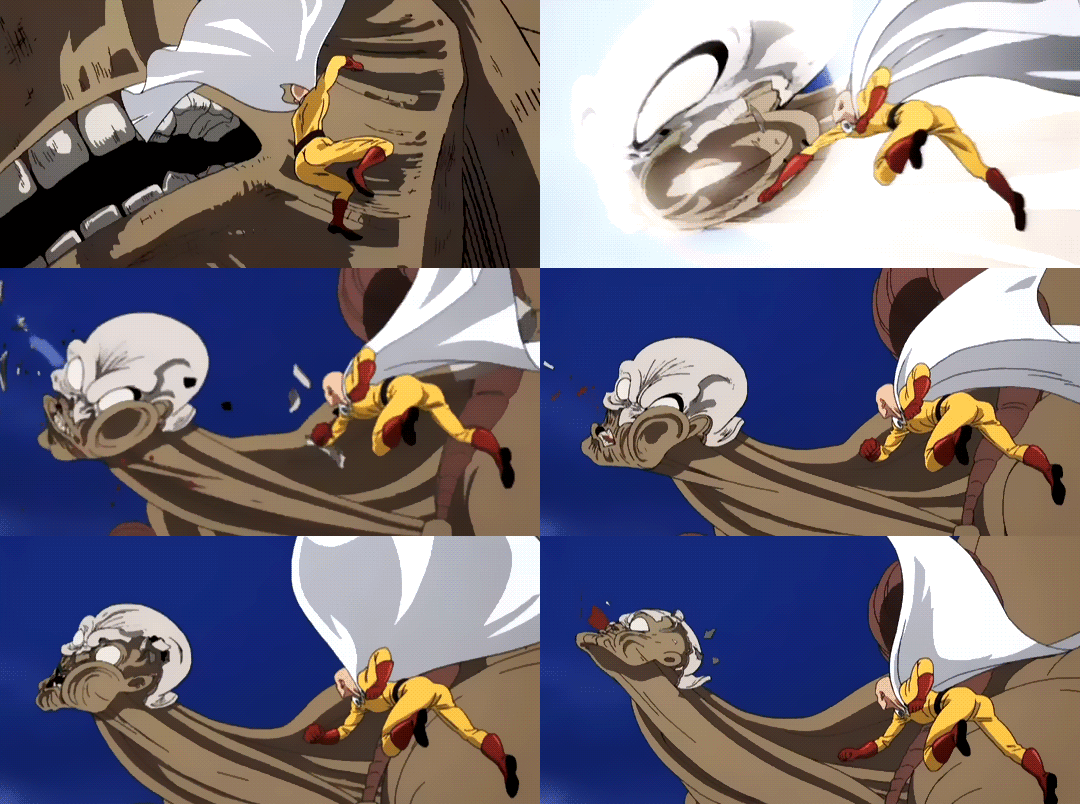
One Punch Man
In the midst of my book debut, I’m still going to continue the post series on writing combat. We’ve covered guns, melee, and armor. Means two areas left: hand-to-hand and magic. Obviously, we’re touching the former if you bothered to watch the video. Theatrics aside, the video shows a few points.
- Your weapon-using heroes can still use kicks and punches in combat. If there is an opening for it then a warrior can take it. This isn’t necessary, but it’s something to keep in mind. Swords locked and they’re face to face? Quick kick to the shin or ankle if you think it will work.
- A drawn out hand-to-hand fight will predominately be blocks, dodges, and light blows made to push the opponent away or knock them down. Even in fiction, the human body feels pain and takes damage. This isn’t pro-wrestling where you can still run and jump around after taking 10 chair shots to the face. This is another guideline because you see a lot of martial arts movies and books where each fighter takes damaging strikes and it doesn’t phase them. It really depends on if you’re going for realism or theatrics.
- Think your fight scene through. If a character throws a right hand punch and it’s blocked, they are left open. They also can’t punch again immediately. You can avoid this by making fights simplistic and vague, but you should be quick on those. Maybe cover with banter. Thinking the fight scene through isn’t very hard. Just picture it or even slowly move your arms or legs to imitate the motion. You will notice any openings on your own body and be able to create a realistic rally of moves instead of ‘he punch’ ‘other guy punch’ etc.
- Watch movies with hand-to-hand fight scenes. Not just Bruce Lee. Scenes like the one above will teach you how to make a rally of moves and help you visualize the fight. Try to find a variety of scenes because there are a lot of styles out there.
- If you have an idea of what style you want a character to have then research that style through Youtube and basic training sites. For example, if you want your warrior to be more of a kicker than a puncher, look into kickboxing. You don’t have to know the names of moves, but it helps to know how the schools operate. An extra bonus is that your character’s fighting style doesn’t come off as random and muddled.
- Punching armor hurts and shouldn’t do more damage to the knight unless magic or BS is involved. Same goes for arrow catching, immune to groin shot, one-handed sword catching, and many of the flashy stuff you see in movies. Best to use them sparingly with explanations or leave them in the movies.
- The hand-to-hand style should accommodate the size and skills of the warrior. This goes back to the same thing in weapons. Halflings cannot toss people around like a barbarian and ogres should not be flipping around like monkeys. They aren’t built that way unless you make them built that way. There’s nothing wrong with a warrior have a weak area like strength or speed. It makes the fights more exciting.
- No flipping and leaping around in platemail armor.
- Last and extremely important! Remember your injuries! If two characters are going blow for blow and get injuries then they have to act like them. Broken ribs, shattered arms, and aching stomachs need to have some reaction. You can still punch with a broken arm, but the strength will be lacking and the puncher will be in pain. If you have trouble with this then list the injuries as you go and check the scene again with them in mind.




 Legends of Windemere
Another good post for writers to keep in their craft folders. (That’s what I have–a folder of good craft advice.) That’s why I love the behind-the-scenes videos of the LoTR movies and the Avatar: The Last Airbender show—the wealth of knowledge by people who know weapons, martial arts, etc. Even some actors have spoken about how they got hurt in scripted fights. So, it doesn’t make sense that a character would not be injured. Yet nowadays on some shows people get stabbed with lightsabers and still walk away.
LikeLiked by 1 person
John Wick and Matrix are also good sources. Think both of those involved a lot of training. Can’t go wrong with Jackie Chan too.
LikeLiked by 1 person
Very true. Charles Stahelski, Yuen Woo-ping, Donnie Yen, Bob Anderson (RIP)–great to see their behind-the-scenes videos.
LikeLike
Excellent thoughts.
LikeLiked by 1 person
Thanks.
LikeLiked by 1 person
Grerat advice for every writer doing a fight scene.
LikeLiked by 1 person
Thanks.
LikeLike
An excellent post, Charles, and a reminder to keep it real. I think people nowadays want that, rather than something where, in spite of injury, the hero still prevails easily.
LikeLike
Maybe. I’m always leery about saying people want true realism. Many times they get it and hate it. A hero getting hurt and no longer being able to function takes something away. This leads to the creation of heroes who never get hurt at all. I do think there needs to be a happy medium with the use of healing, pain meds, non-crippling injuries, etc.
LikeLiked by 1 person
Yes, I agree. I’ve used quite a lot of realism in my historical novel, Jealousy of a Viking. It deals with miscarriage, child death as well as violence of the Viking life. But I had a superb 5* review from Reader’s Favourite that liked the realism.
LikeLike