
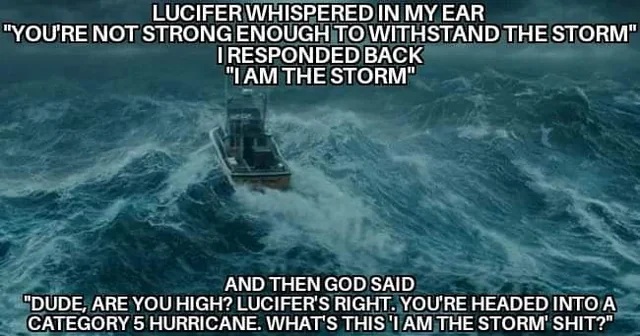
The fallen apprentice and most other characters who fall from grace tend to succumb to a specific personality trait. Some may call it egotism and others narcissism. I’m going to use a different term that is popular in fiction:
Hubris
This word comes from ancient Greece and was deigned a major flaw of mortals in their mythology. Through hubris, a person will defy the gods, display extreme vanity and pride, and may even go so far as to claim divinity themselves. We can even see this in real life examples where a person acts superior until they are knocked down a few pegs. In fiction and reality, they lack any sense of consequences. Even in the face of the results of their actions, they may continue to demonstrate hubris and blames others. This is why narcissism can be closely related to this personality flaw.
As far as the apprentice archetype, it isn’t too hard to see how this can come about. If one is gifted and continually praised by their mentor, they might feel that they are superior to those around them. Whatever ideas and beliefs they assume are considered the best even if it causes them to hurt others. The egotism becomes so strong that a moment of not being the best can cause them to crash. It’s almost unheard of their mind for them to lose, so they begin going down a dark path. Maybe it’s to gain more power outside of their mentor’s teachings or to grab that they would normally earn at an earlier date. The hubris-fueled actions of these characters can lead them to do horrible things to the heroes because they become an emotionally wounded animal.
The funny thing about hubris is that you don’t really see the turn that much today. Yet, it’s clearly still being used as a plot device. So, one could say the concept is hardwired into our natural psyche. It could even be an instinctive warning for humans not to get too confident since we weren’t designed with built in weaponry. I mean, we’re predators, but I don’t think we would be apex predators without our technology. So, a sense of not messing with things stronger and more dangerous than us could be part of our natural mindset. Since it isn’t as common a problem anymore, we demonstrate the continued existence of this instinct through fiction. Probably explains why we become fascinated by real life people falling from their pedestal too.
Hubris isn’t a permanent state either. One can learn humility and pull themselves out of the dangerous position. A subplot can always be such a character learning to listen to others and accept they could be wrong. This is a challenge since a major aspect of hubris is a sense of superiority. This is why one normally can’t change until they suffer severe consequences. Happens in real life too. Unfortunately, the consequences can be fatal, which there’s no coming back from. They can also, as previously stated, push a person into a vengeful and more sinister mindset. Always dangerous popping someone’s inflated ego.
So, what do you think of the use of hubris in fiction?




 Legends of Windemere
Fantastic overview of this character flaw, Charles, especially the emphasis on a significant emotional event, triggering the potential for change. I’m always a sucker for those stories that keep you guessing if the chief protagonist will heed. Will they switch from pursuing the want to addressing the need? Thanks for making this so clear!
LikeLiked by 1 person
Nicely said. Glad the point came across too. Never sure if I’m being clear or not.
LikeLiked by 1 person
I like it – it’s a great word and I think it can be used effectively in fiction.
LikeLiked by 1 person
Thanks.
LikeLike
Hubris definitely makes for an interesting story. The reader might wonder how long it will take before the rug is swept out from under the character (Achilles, Oedipus). Lots of tension there. Certainly a fascinating character study.
LikeLike
Has a lot of uses.
LikeLiked by 1 person
I think hubris in a character would make the story so much more interesting. Almost uncontrollable arrogance is always entertaining when karma steps in to make a point.
LikeLike
Worked for the ancient Greeks.
LikeLiked by 1 person
Yes it did. 😁
LikeLike
Hubris. A great word. A pity it’s fallen out of use.
But using hubris in fiction is a great way to up the tension. Which way will the character go? Will they fall or be redeemed?
LikeLiked by 1 person
And how will the gods take to such insolence.
LikeLiked by 1 person
Yes, indeed.
LikeLike
I love it, but haven’t consciously used it. The closest I came was in backstory. One of my witches permanently cursed himself when he was an apprentice. As an adult this curse is always with him. It would make a cool plot though.
LikeLike
I think hubris is such a common fault that it’s easy to use be accident. It ties into arrogance and egotism.
LikeLiked by 1 person
To me the difference between hubris and egotism is the comparison/bragging about being equal to or better than a very high authority, like gods or kings. Characters can act like jerks in all kinds of ways, but not have hubris.
You’re right, there’s plenty of dramatic potential in a character with hubris.
LikeLiked by 1 person
True. I think you can have egotism without hubris. Though I personally don’t think you can have hubris without egotism.
LikeLike