
Back in middle school, my sister and I got our first non-fish pets. I got turtles and she got a hamster named Houdini. I spent more time with her pet because mine weren’t very cuddly or friendly. After my turtles passed away, I got my own hamster named Wiggles and I would eventually get one in college named Fidget. They are fun to watch and handle, but you have to be careful. Tough to clean especially if you get the long-haired ones.
Now, there are wild hamsters, which differ from domesticated ones. So, lets look at the differences:
- Wild hamsters are larger than domestic species.
- Domestic hamsters are bred to be friendly and non-aggressive.
- Wild hamsters are solitary and aggressively territorial.
- Due to predators and disease, wild hamsters have shorter lifespans.
- Wild hamsters have a more varied diet than domestic species because they have to hunt and forage.
- Domestic hamsters have more variations in color because they don’t need natural camouflage or temperature regulation.
- Wild species in northern regions will hibernate in winter.
How about some general facts too?
- Hamsters get their names from their cheek pouches due to the German word ‘hamstern’, which means ‘to hoard’.
- They have multiple mates and females will birth 2-4 litters per year.
- Females will grow a plug once they have been inseminated. They are also territorial and will drive the males away after mating.
- Hamster teeth never stop growing, so they have to gnaw on hard objects to keep them short.
- Due to being nocturnal, most hamsters are blind in daylight.
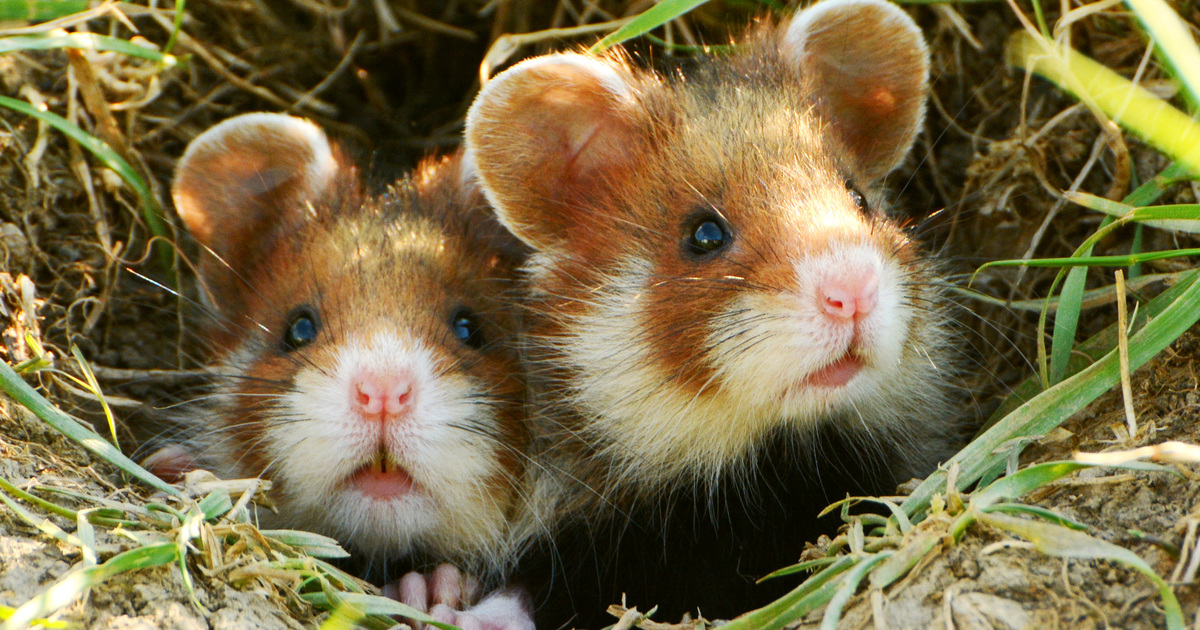
- European hamsters are critically endangered due to habitat loss and pollution.
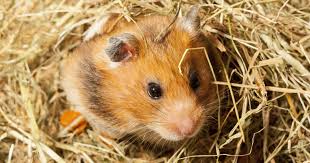
Pictures and videos time!






 Legends of Windemere