
Way back I saw a news story on an orange nurse shark found in the wild. Soon after, I read an article about a snowy owl with orange coloration among its white feathers. I thought they were fake, but apparently they both had Xanthism. This is when there is excess of yellow or orange pigmentation. I got curious to see if there are others along with examples.
First, albinism would fall under this category, but I figure everyone knows about it. This one is popular from what I can tell because albinism in humans shows up in fiction. There is also the interest in white tigers and white alligators. This is when there is a lack of pigmentation (melanin), which affects the eyes and skin. So, what about the other ones in the animal kingdom? (Names and explanations in captions of Google Image Search pictures.)
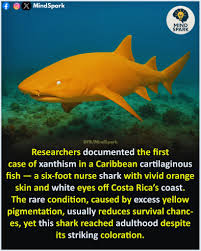
Xanthism, which creates a yellow/orange coloration. This shark also has albinism.
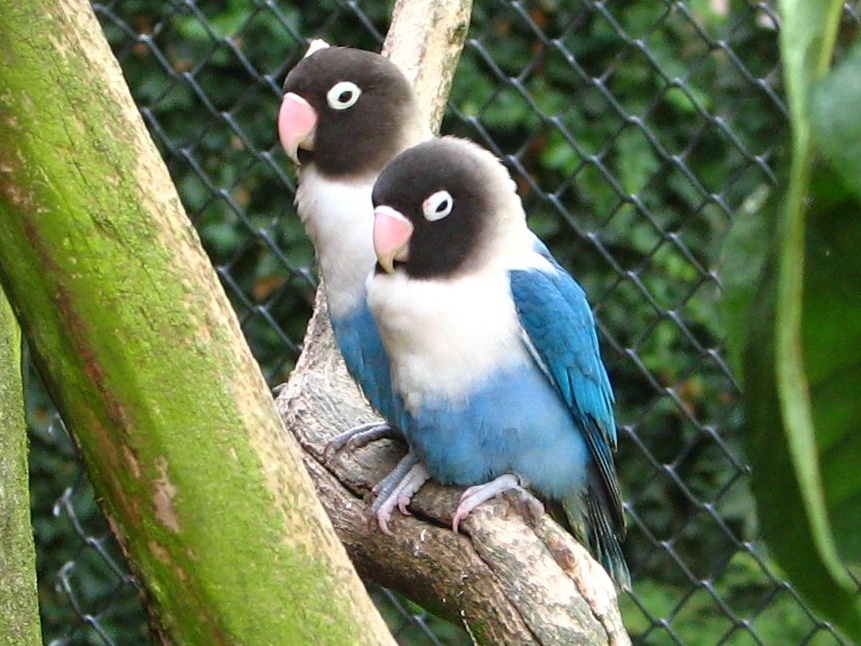
Axanthism is when there is no yellow pigmentation production\
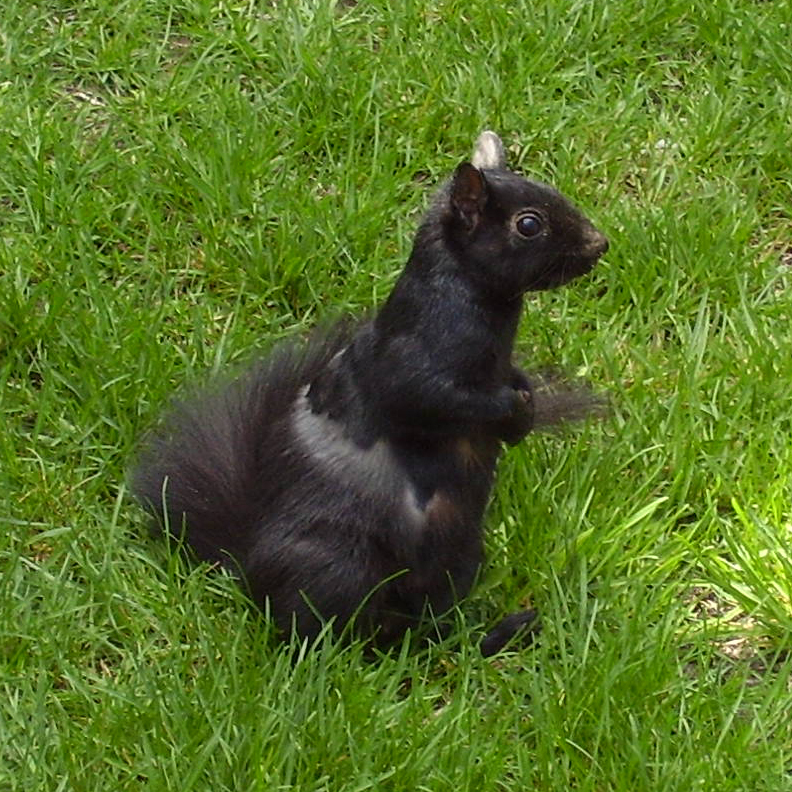
Melanism, which is excess of melanin
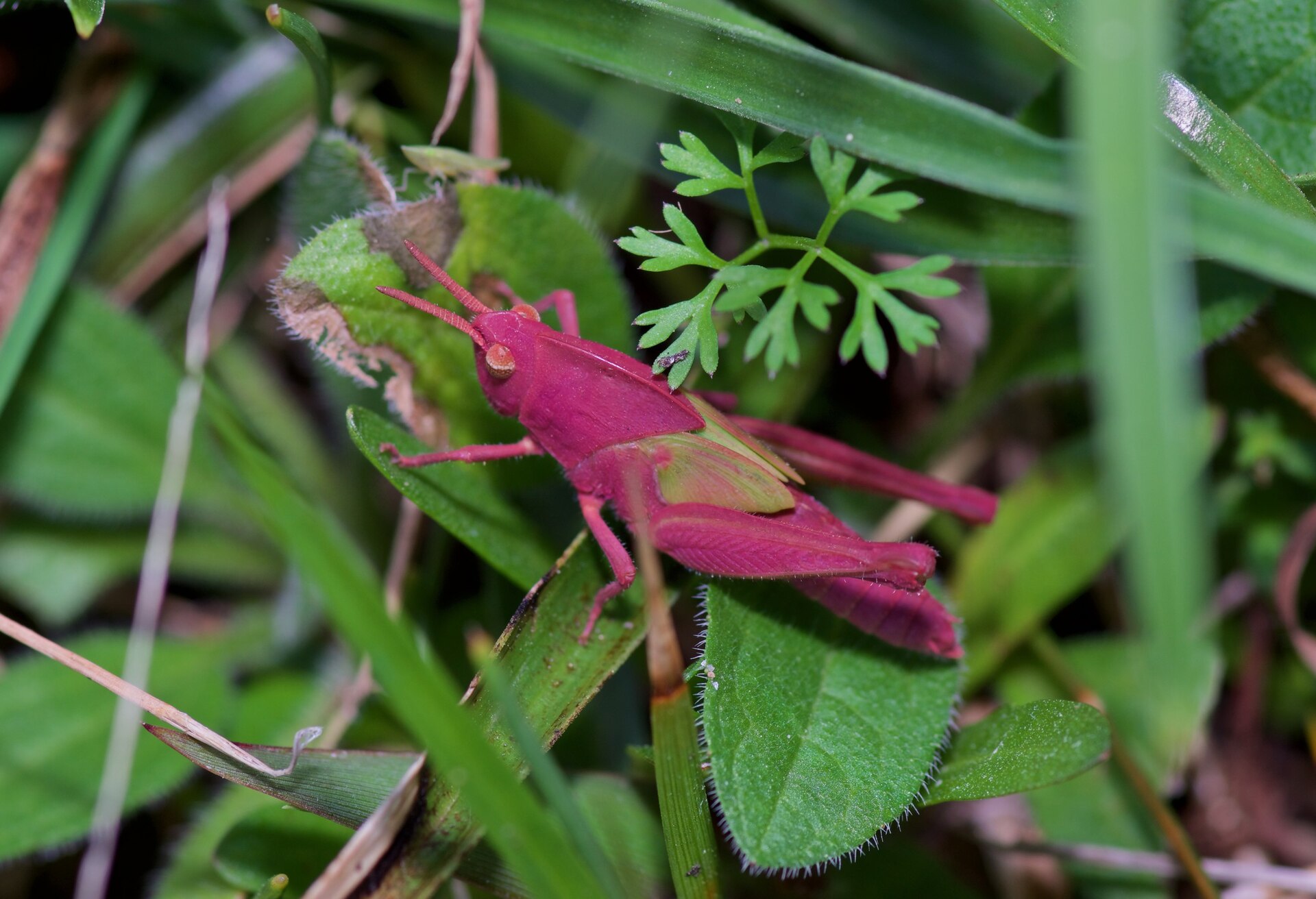
Erythrism, which is caused by an absence or excess of pigmentation to make the organism red
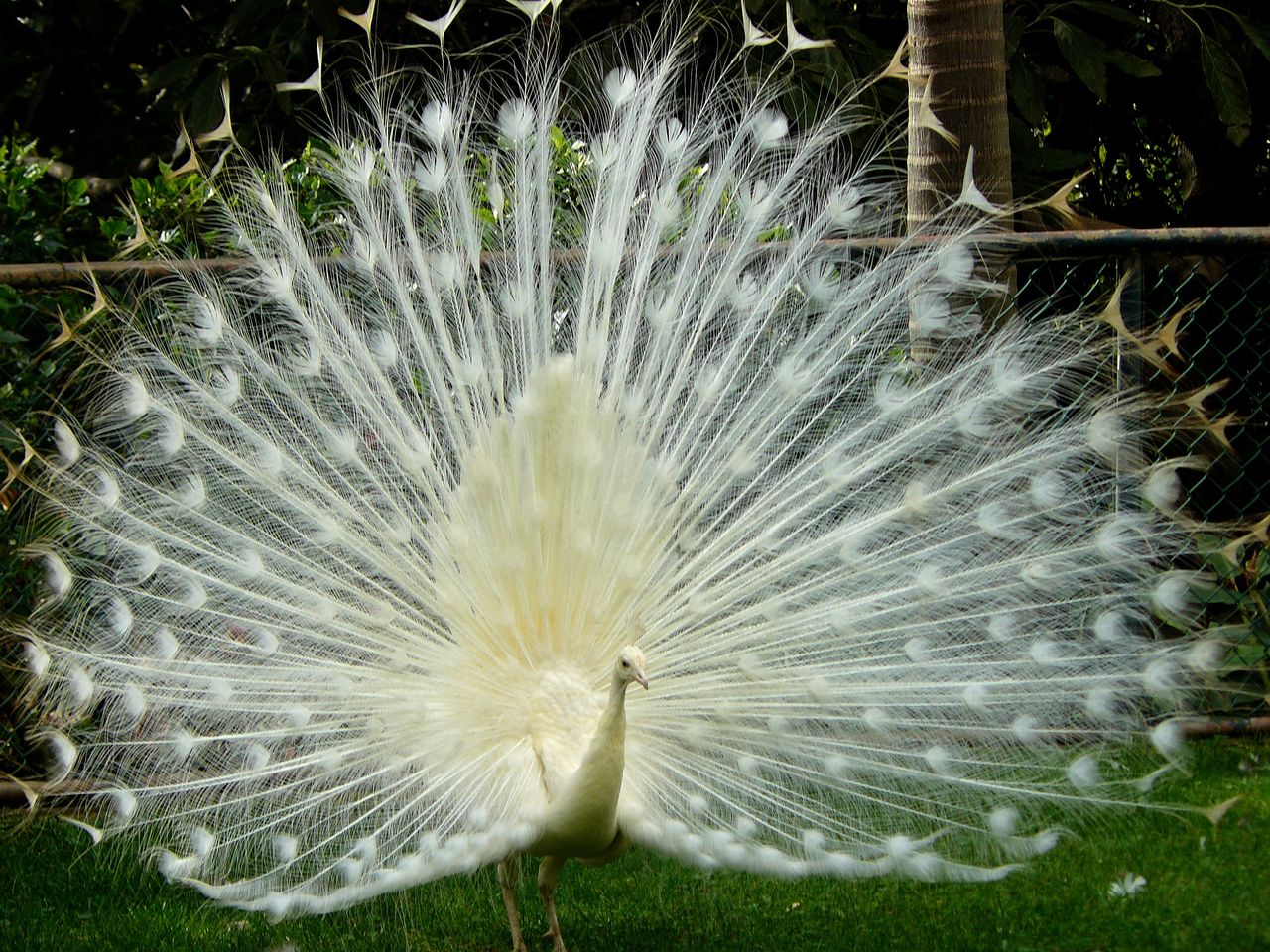
Leucism, which is partial loss of pigmentation





 Legends of Windemere
Beautiful examples, Charles. We had a colony of black squirrels near us when we lived in Evanston, IL. I would often see them running down the sidewalk with an apple in their mouth – from our apple tree!
LikeLike
I see them pretty often in the five boroughs. At least Queens, Bronx, and Manhattan. Though I don’t go there nearly as often as I used to.
LikeLike
They are handsome little devils.
LikeLike
These are very unusual pigment variations. Thanks for sharing them.
LikeLike
You’re welcome.
LikeLiked by 1 person
A
Thus is strange. A few days ago I did a crit for someone who had an animal with white patches. Now you’re doing a post about animal colouration.
These are fascinating. I was unaware of many of these. They are wonderful, but not so muscle for tge animal concerned as it disrupts camouflage.
LikeLike
Auto correct changed ‘much’ into ‘muscle.’ I didn’t read it through!
LikeLike
That’s probably why the colorations are so rare in the wild. Except for black squirrels. That seems to be common in some areas.
LikeLike
The pink katydid is quite something!
LikeLike
Surprised it even made it to adulthood.
LikeLiked by 1 person
Interesting breakdown.
LikeLike
Thanks.
LikeLiked by 1 person
Very interesting.
LikeLike
True.
LikeLiked by 1 person
This is interesting, Charles!
LikeLike
Thanks.
LikeLiked by 1 person