
Today is apparently National Badger Day. For anyone who doesn’t know, a badger is a member of the weasel family. They are short, stocky, nocturnal omnivores known for digging burrows. There are six main species with a variety of subspecies, but we’re going to do a general overview. As far as conservation status, they are listed as not endangered or threatened.
To connect this to October’s monster theme, badgers do show up in a lot of folklore in the areas they live. Chinese and Japanese stories tell of them being shapeshifters, which is common for animal myths there. Some European cultures say badgers are a sign of spring, which was originally held by the bear until that species declined. They are an animal totem of the Goddess Brigantia and is celebrated on Imbolc (February 2nd . . . Wait a minute.) In the Americas, the badger can be associated with warfare. There are also instances of the poor thing being a symbol of bad luck.
Now, for animal facts:
- Badger have a sense of smell that is 800 times that of a human.
- They create a separate bathroom outside of their burrow to keep their home clean.
- Eurasian badgers have families and will pass homes down through generations, which turns them into tunnel networks.
- American badgers have been seen working with coyotes to hunt food.
- Honey badgers are resistant to snake venom.
- Males are called boars and females are called sows. A group is called a cete.
- There is debate on if there are 3, 6, or 11 species of badgers. I went with 6 to include more pictures:
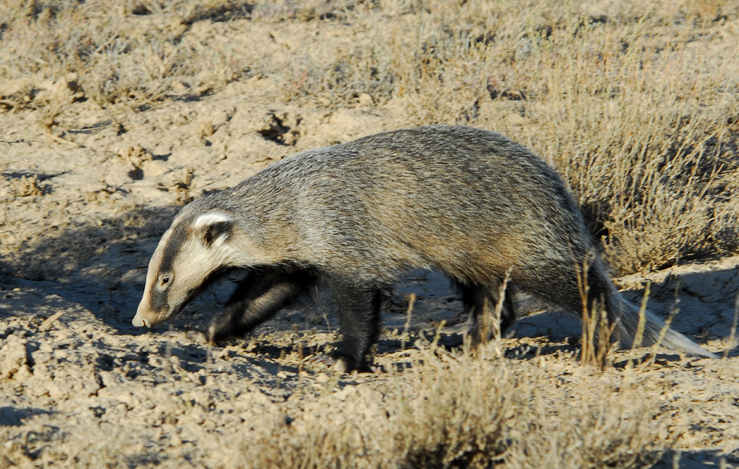
Asian Badger (Not sure how this one really differs from Japanese Badger)
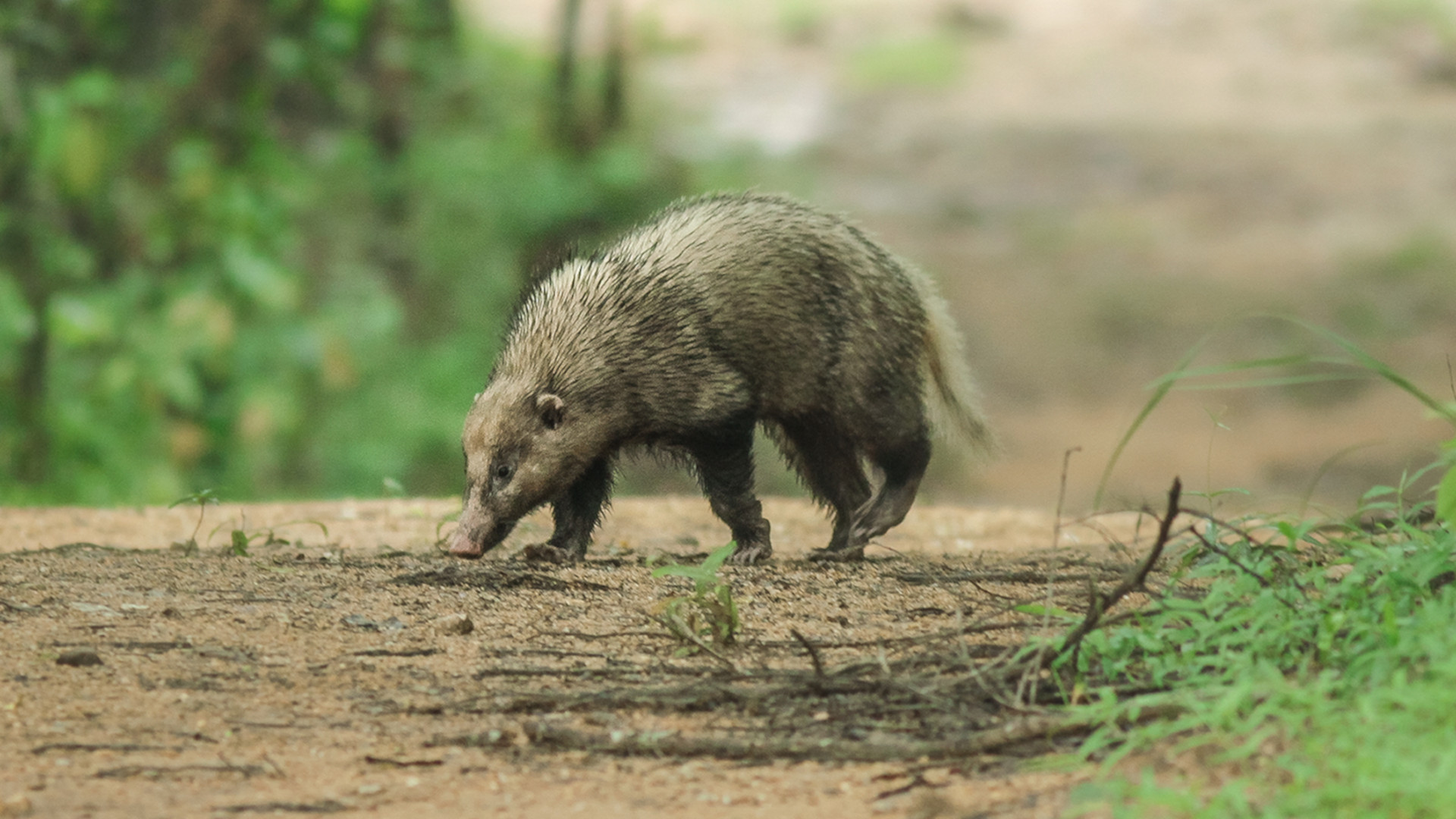
Hog Badger
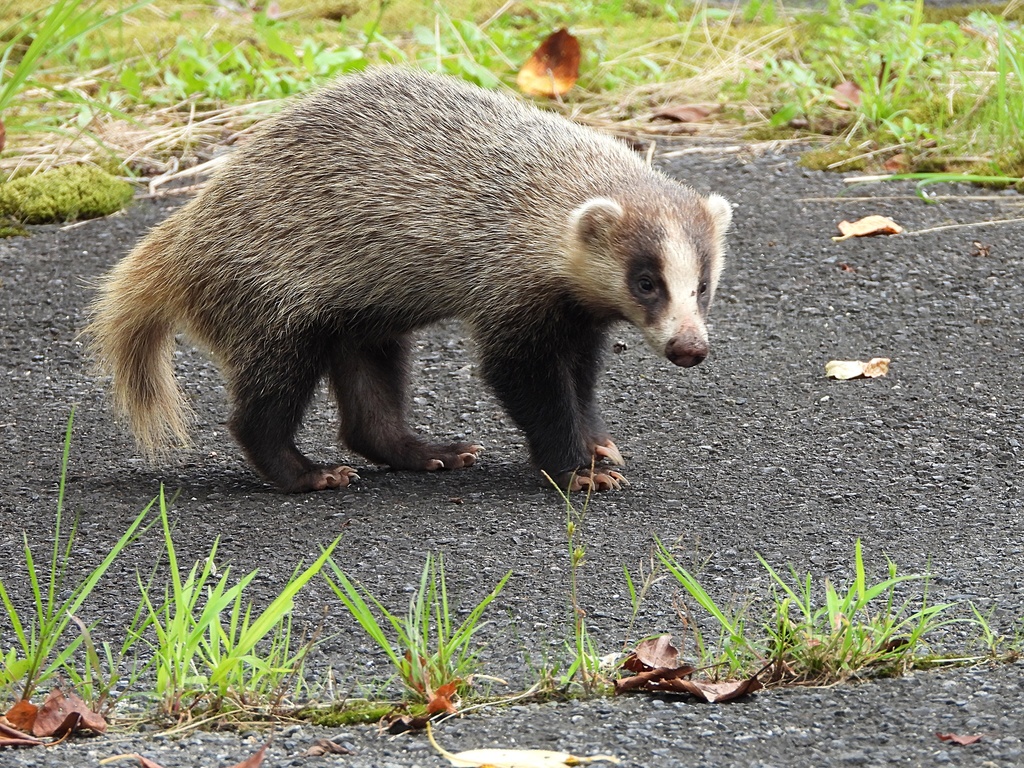
Japanese Badger

American Badger
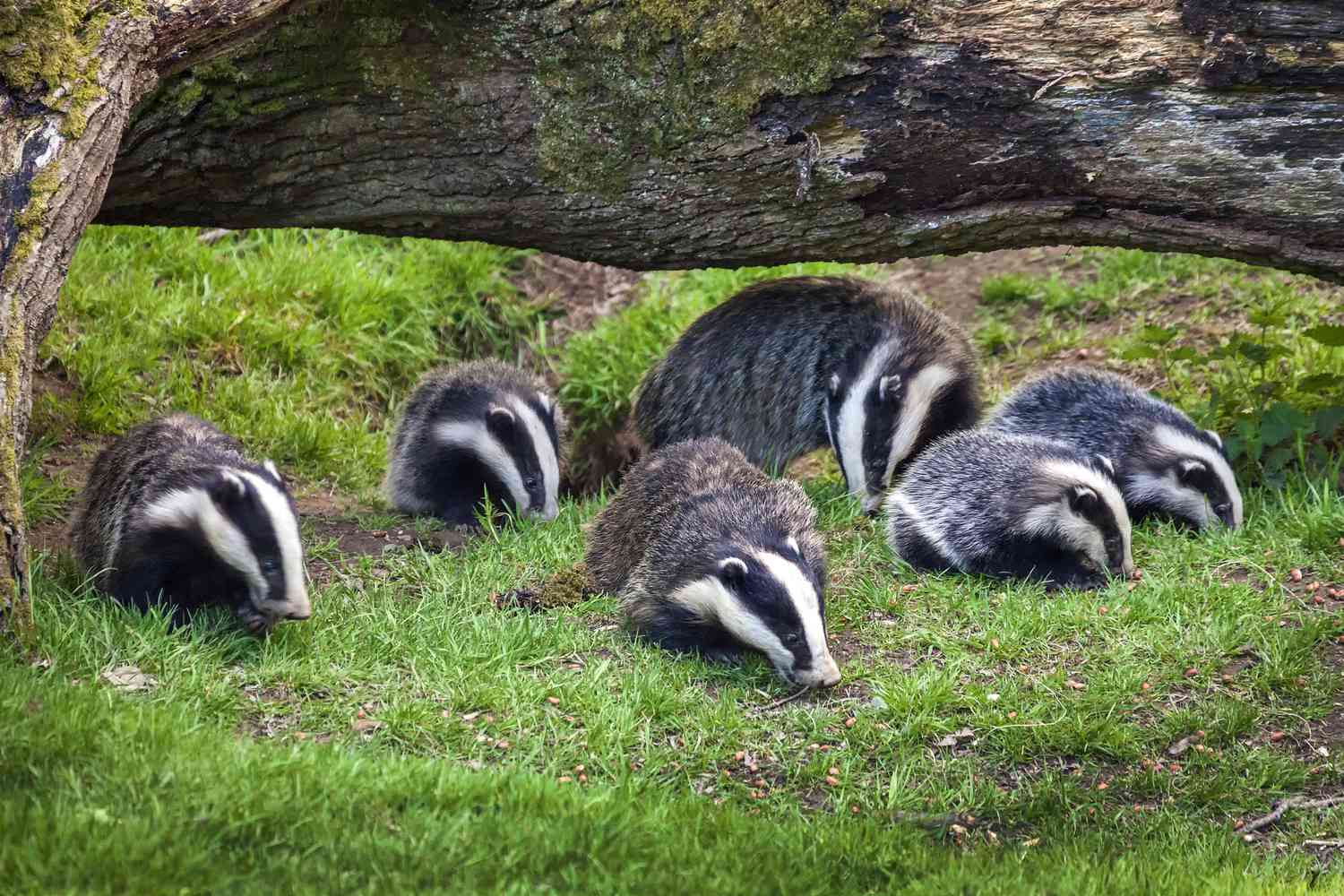
Eurasian Badger
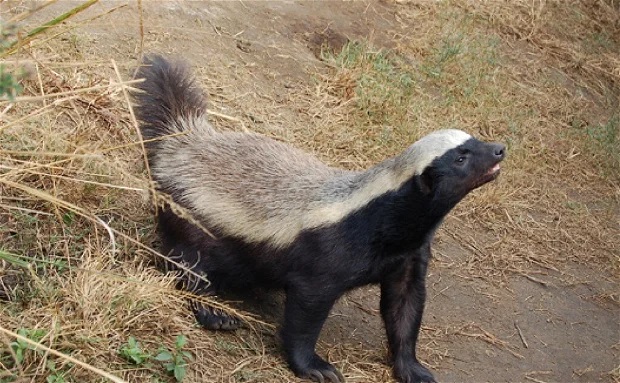
Honey Badger





 Legends of Windemere
Badgers are controversial here, with some blaming them for spreading TB to cattle and the government sanctioning culling. While others, including me, are horrified at this treatment. Brian May, guitarist from Queen and also a scientist, is prominent in their defence.
LikeLike
Wouldn’t a culling kill a bunch of badgers who aren’t infected? Also, if a person can find a badger to kill, couldn’t they find them to inoculate or cure them?
LikeLiked by 1 person
Yes precisely and figure out how to inoculate the cows!
LikeLike
We had badgers living in tunnels underneath a huge pile of wood – storm detritus – but they are very shy. We only saw one once or twice.
LikeLike
That’s really cool.
LikeLike
Yup! They are impressive animals!
LikeLike
We have lots of badgers around here. I think they’re wonderful. In Nevada they raised a nest of babies just below my house. The kits played with sticks just like a bunch of flat puppies. That hog badger is the strangest thing I’ve ever seen.
LikeLike
Hog badger look a little like opossums mixed with a badger.
LikeLiked by 2 people
Super post, Charles. I have not lived anywhere with badgers so this was a treat.
LikeLike
Same here. Closest has been woodchucks.
LikeLiked by 1 person
Hmm. Come to think of it I haven’t seen a woodchuck either.
LikeLike
I learned something new and interesting today! Thanks!
LikeLike
One day last year I saw a badger walk boldly across my front lawn, then across a neighbours before disappearing down an alleyway opposite.
There are, or at least were, badgers known as the golden badgers of Erddig Hall in North Wales. My mother was driving home one night when she saw a badger in front of her. She thought it must have been sitting in sand, then she realised it was one of these ‘golden’ badgers.
The TB problem is a difficult one. If even one cow is found to have TB, then the farmer cannot move any animals until 2 clear tests have been achieved. The minimum number of days this will take is 120. And any infected animals are slaughtered.
This has a serious impact on farmers, who are struggling to make a living these days, thanks to supermarkets and the demand for cheap food. (Perhaps more expensive food would help farmers and the obesity problem! Just a thought.)
More and more farmers are going out of business, and the suicide rate is high, as is the accident rate. Tiredness, due to having to work long hours 7 days a week, doesn’t just apply to the roads.
On the other hand, it was suggested recently that it might be cattle giving tb to badgers.
I like badgers, and all wildlife. Have done since I was tiny. But I also understand the farmers’ viewpoint, having had family in the industry.
I’d better shut up now. I don’t have the answer.
LikeLike
Pretty sure more expensive food won’t solve those problems. The money wouldn’t go to farmers. Obesity wouldn’t be fixed by starving the population since exercise wouldn’t increase and you’d have an increase of financial stress. It would just make existence in society even worse than it is now.
LikeLiked by 1 person
Maybe. But I see people with trolleys laden to overflowing with food every week at the supermarkets.
Yes, there are people who struggle to make ends meet. That’s because the so-called minimum wage isn’t a living wage. Increasing that would help. It’s shocking that we have a need for food banks in Britain in 2024.
I don’t think that it’s the very poor who are in the obese category. And I wouldn’t want to starve anyone, but just make them think about whether they really need all the food they buy.
Mind you, it’s not only the quantity, but what people eat, too.
But back to badgers! I love them. I’m glad we have them near us, even if we see them rarely. I was impressed by the honey badger. They seem feisty little creatures. I think they look a bit like skunks.
LikeLike
Studies have shown that poor people have a higher chance of obesity. This is because the affordable food isn’t the healthy stuff. All the times I see filled carts, it’s either the cheap stuff on sale or I overhear the person talking about how they have to sacrifice something else. Usually explaining to a child why they won’t be doing so thing fun.
Interesting honey badger fact. Cheetah kits have the same coloration, which supposedly makes predators mistake them for honey badgers when they curl up.
LikeLiked by 1 person
Badgers are very cool. Their face markings have a lot of personality.
LikeLike
Very true. Thanks.
LikeLike
Great post, Charles!
LikeLike
Thanks.
LikeLiked by 1 person
You are welcome.
LikeLike