
This is the last day of the fox posts. Hope everyone enjoyed it so far. Now, we have the Vulpes genus, which are your true foxes. There are 12 members here, which is the main reason why I couldn’t put them into a post with the ‘false fox’ genera. Before we dive into the pictures, I want to say that all 12 species are apparently listed as ‘LEAST CONCERN’ as far as conservation status goes. Honestly, I’m surprised since I really thought at least one would be in danger thanks to human activity. Guess foxes are more adaptable than I realized.

Bengal Fox- Omnivores that eat anything from rodents to termites to crabs.
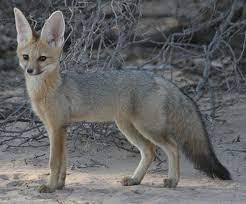
Blanford’s Fox- Has cat-like, semi-retractable claws.
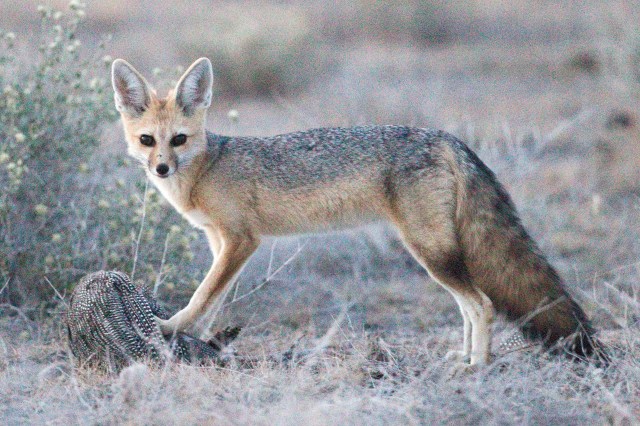
Cape Fox- Capable of breeding all year round.
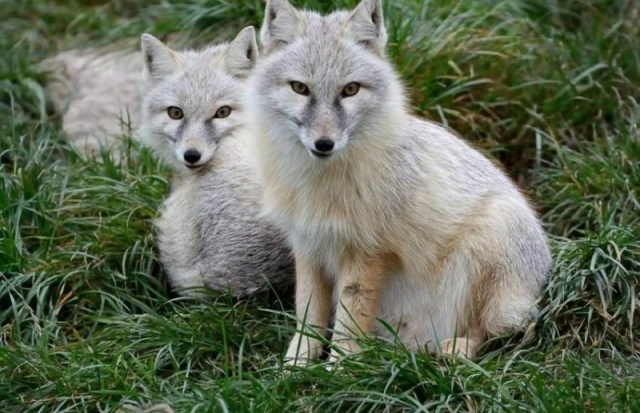
Corsac Fox- Adapted to extract water from the food they eat.
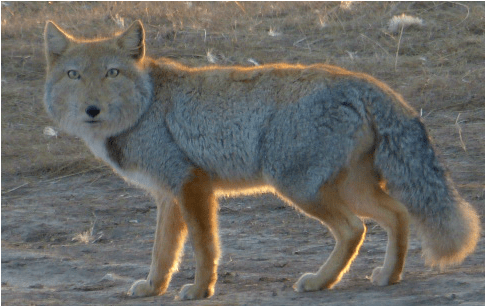
Tibetan Sand Fox- Have been seen working with other animals (like bears) to catch prey.

Arctic Fox- Populations are closely linked to the population of lemmings in their territory
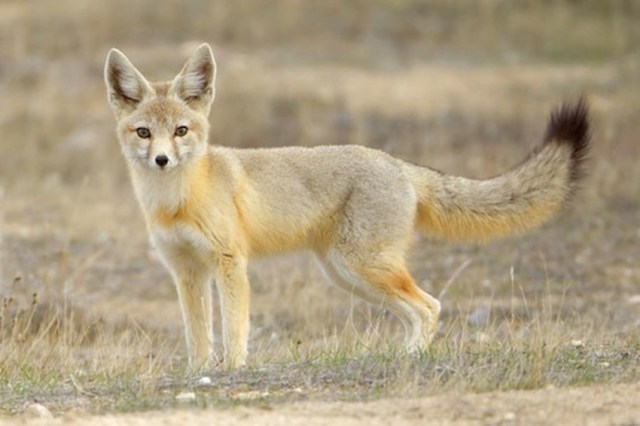
Kit Fox- Smallest fox in North America at 5 pounds.
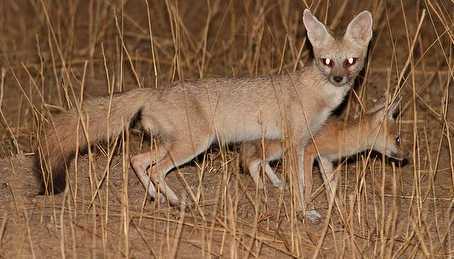
Pale Fox- One of the least studied Canids due to remote habitat, desert camouflage, and nocturnal habits.
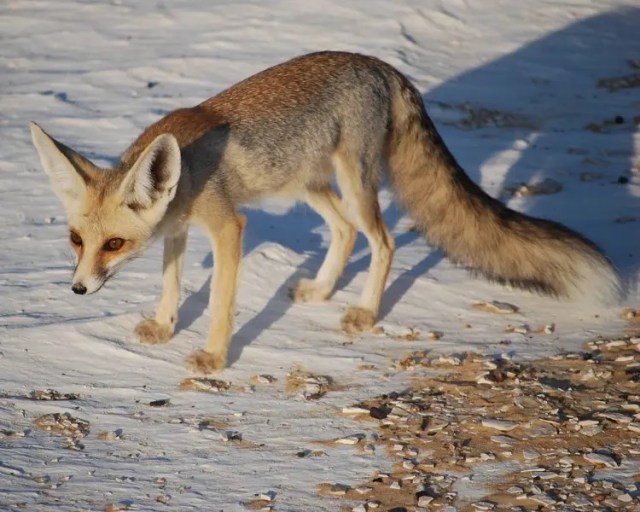
Ruppell’s Fox- Compete with fennec fox, pale fox, and red fox for food.
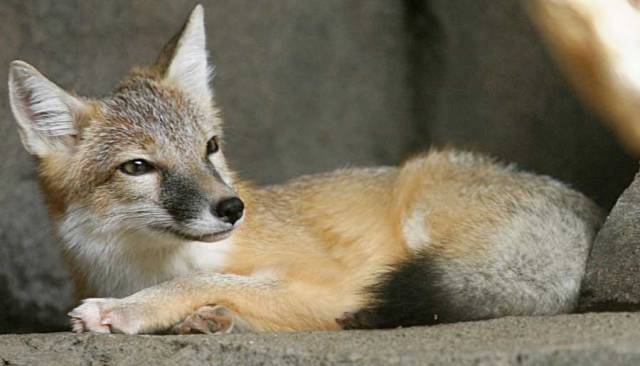
Swift Fox- Were hunted to extinction in Canada, but are there now due to re-introduction programs.
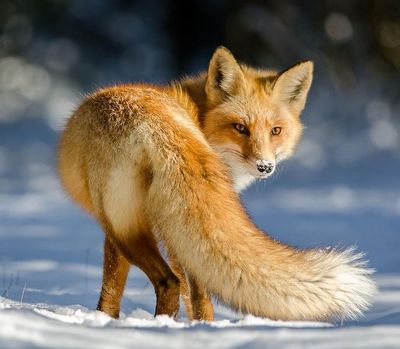
Red Fox- Can hear a mouse squeak from 100 feet away and hear rodents burrowing under dirt or snow.
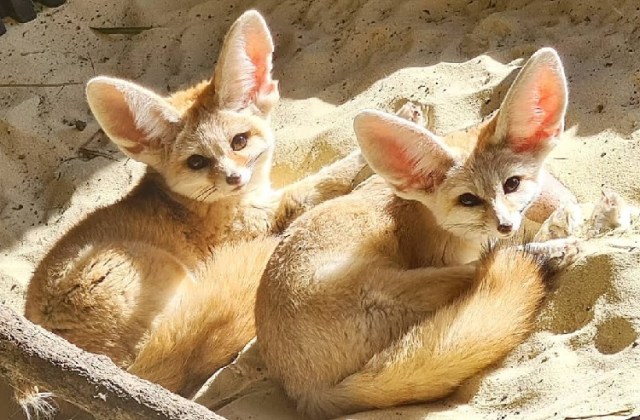
Fennec Fox- Have largest ears relative to body size of any Canid. Ears used to disperse heat.





 Legends of Windemere
These are beautiful canids! I got to see some red foxes in California – they lived in some agricultural fields near us, all built over by now. It was such a treat to spot one when I was driving home.
LikeLike
Very cool. Wonder if the foxes are still living there. They seem to be able to adapt to human cities and towns.
LikeLiked by 1 person
I’m sure they were pushed further inland towards the San Bernadino mountains with all the building but perhaps have figured out how to move back!
LikeLike
They could have. Foxes are known for finding ways to survive in urban areas.
LikeLike
That sand fox is a weird looking dude. We used to see kit foxes occasionally in Nevada. On summer we were surveying in a specific area and watched the pups playing around their den.
LikeLike
It definitely looks strange. I keep thinking I got the wrong picture though. Looks more like a wolf than a fox.
LikeLiked by 1 person
I’ve been thinking I should include a fox in one of my stories soon. Now I have so many different kinds to think about!
LikeLike
I like that there’s a bigger variety than red and silver.
LikeLike
Loved these fox posts, Charles. The video of the fox catching mice under the snow was fascinating.
LikeLike
Thanks. Always a favorite.
LikeLiked by 1 person
😁
LikeLike
Very interesting! We have red foxes by us! I didn’t see one though till the last five years.
LikeLike
Very cool. Seems those are the most common among my blog followers.
LikeLike
Loved these pics. We have introduced red foxes here in Australia, but for some reason, some of them look ‘brindle’, almost as if they’d bred with a dog. They’re smart and quite beautiful, just a pity that they’re so good at hunting our native animals.
LikeLiked by 2 people
I’ve heard that red foxes are an invasive species there. I looked it up and foxes can’t breed with dogs. They’re similar to some extent, but not enough to produce offspring.
LikeLiked by 1 person
Thanks for that, Charles. I wonder where the brindle colouring comes from then? I guess foxes have been here long enough now to have developed some unique traits. Maybe that’s one of them.
LikeLike
Red foxes aren’t brindle-colored. Gray foxes can be though. Maybe there are some of both species there.
LikeLiked by 1 person
Oh! Now there’s a thought. It never occurred to me that the early settlers might have imported two different breeds. Thank you! We used to have a small brindle fox come to our compost heap. He was sweet and thin so I’d throw him the odd bit of chicken. He’s been gone for years now but his colouring continued to puzzle me. I think you’ve solved the mystery. 🙂
LikeLike
Have to admit that I’m not entirely certain what brindle looks like. Red foxes do have uncommon variations like silver, black, orange, and mixing of the shades.
LikeLiked by 1 person
Ah…maybe that mix of colours is what I call ‘brindle’.
LikeLike
That might be it.
LikeLiked by 1 person