
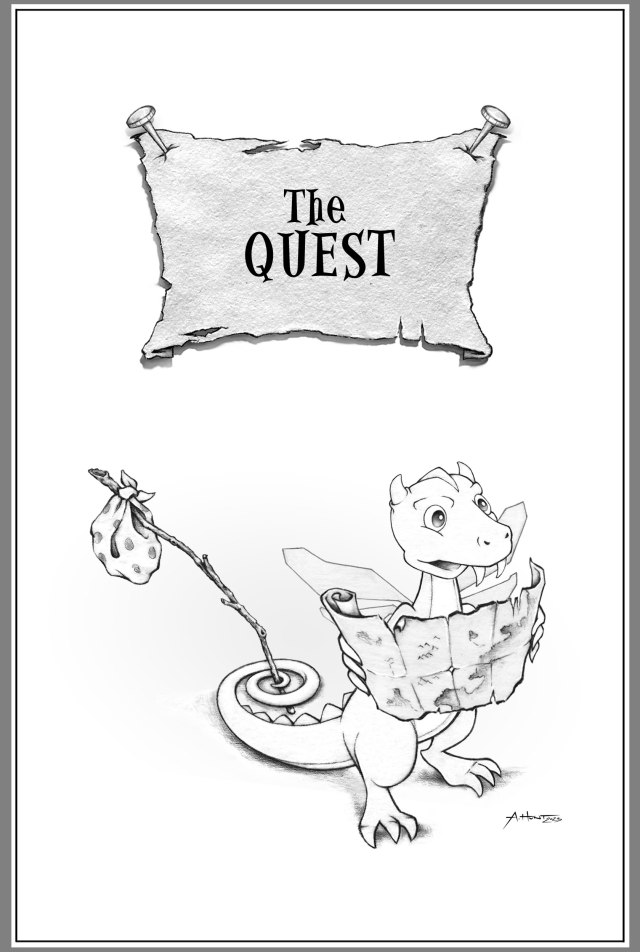
Art by Alison Hunt
Very few tropes are as common in fantasy as the destined heroes. This motivation has existed since the days of mythology and continues to be used today. Authors find twists and variations on the concept of destiny and fate, but it tends to boil down to the same thing. The hero is on a path that was chosen for them by a greater power, which brings up the question of if they are in control of any of their actions. Needless to say, readers and authors have railed against the concept. Does that mean it should be shunned and ignored? I’d be a hypocrite if I said yes since the God of Destiny is a major player in my stories. In fact, Legends of Windemere is all about destined heroes . . . Of course, there’s more to it than that, which I will get into after we go over ‘Fate vs Free Will’.
This has been a debate for years if not decades. It shouldn’t be surprising since the concept of destiny has been overused to the point of ultra-cliché. Audiences see the use of destiny or fate or being chosen by a higher power as a cop out by the author. Why does the hero go on this dangerous adventure? Well, they don’t have a choice. More importantly, it goes against our desire for freedom, which is shown through free will. Readers want to connect to the characters and destiny can be a glaring obstacle.
After all, if destiny exists in our world, then it’s not something we’re aware of or fully grasp its influence. This is different than in fantasy where it’s stated as a known force on the characters and plot. Either the heroes are told directly or the audience knows they are reading a story about fate. Even revealing this in the middle or near the finale of a story can have negative effects. This is because we don’t live in the times of older stories where destiny was accepted. It comes with a lot of baggage now.
The biggest problem with using destiny is that it removes the sense of control a character has on their own life. Readers will question every decision and action the hero makes because they aren’t seen as having freedom.
This is extremely true when they are successful or a convenience happens. Every victory is seen with the lens of there never being any other option. Failures are considered to be destiny forcing the hero to go in the right direction instead of a legitimate mistake. Once this factor is introduced and shown to be the major motivation of a character, it leads to many inferences that revolve around there being no threat of defeat. How can a destined hero lose before the finale? It’s hard to believe even if they routinely make mistakes. In fact, I would say that makes it worse because it shows that the heroes can fail upwards. If a loss doesn’t cause them to fall off their path, even a little bit, then it’s not seen as true. Readers will see it as an empty ploy meant to make them believe that destiny isn’t at play here.
While failures in a destiny-driven story are viewed with suspicion, there is a plot event audience’s rarely see coming . . .




 Legends of Windemere
It’s interesting how people think that a prophecy negates freewill. Maybe I’m wrong, but I look at it like all of the factors are in place, including the person’s freewill, to bring about what has been promised.
LikeLike
I think prophecy used to be handled as an ultimate plot hole solution way in the past. Not when it first started because I remember a lot of myths where a destined person fails. So, there was a long period in writing history where authors used it to justify everything. People still look at it that way without reading the associated story.
LikeLiked by 1 person
It’s kind of like time travel. Having a “destiny” has to include limits and wiggle room. You can phrase it like they will “be present at the downfall…” so it’s uncertain if the downfall will be their doing or someone else’s and they are just “present” at the time. Authors love the semantics, right? LOL
Certainly I would have characters questioning the validity of any prophecy about their fate. Any time something went wrong, they would be thinking “maybe this isn’t really my destiny?”
LikeLiked by 1 person
I learned with my first series that I had to make the role of destiny clear. It was stated that each hero would reach their end in some form. That helped make it clear that destiny had limits.
LikeLiked by 1 person
It’s an interesting concept, but should be used with caution. There are plenty of stories where an old man is telling his grandchildren about his adventures, then the story shifts to the actual adventure. We automatically know the hero survived to address the grandchildren later. They’re still fun stories.
LikeLike
Those stories definitely lose some of the tension, but I think they were really well as ‘questionable narrator’ vehicles. That or the one talking isn’t the main hero, but a side character. Leave the current world situation a mystery and you can regain the tension that you lost.
LikeLiked by 1 person
Good tip.
LikeLike