
The Galapagos Islands are an incredible place known for its biodiversity. They have a lot of endemic birds and reptiles due to it being difficult to reach the islands. So, not a lot of mammals made it here to take hold. This region has also been very important to scientific research, which I will get into after showing some of the more famous animals.
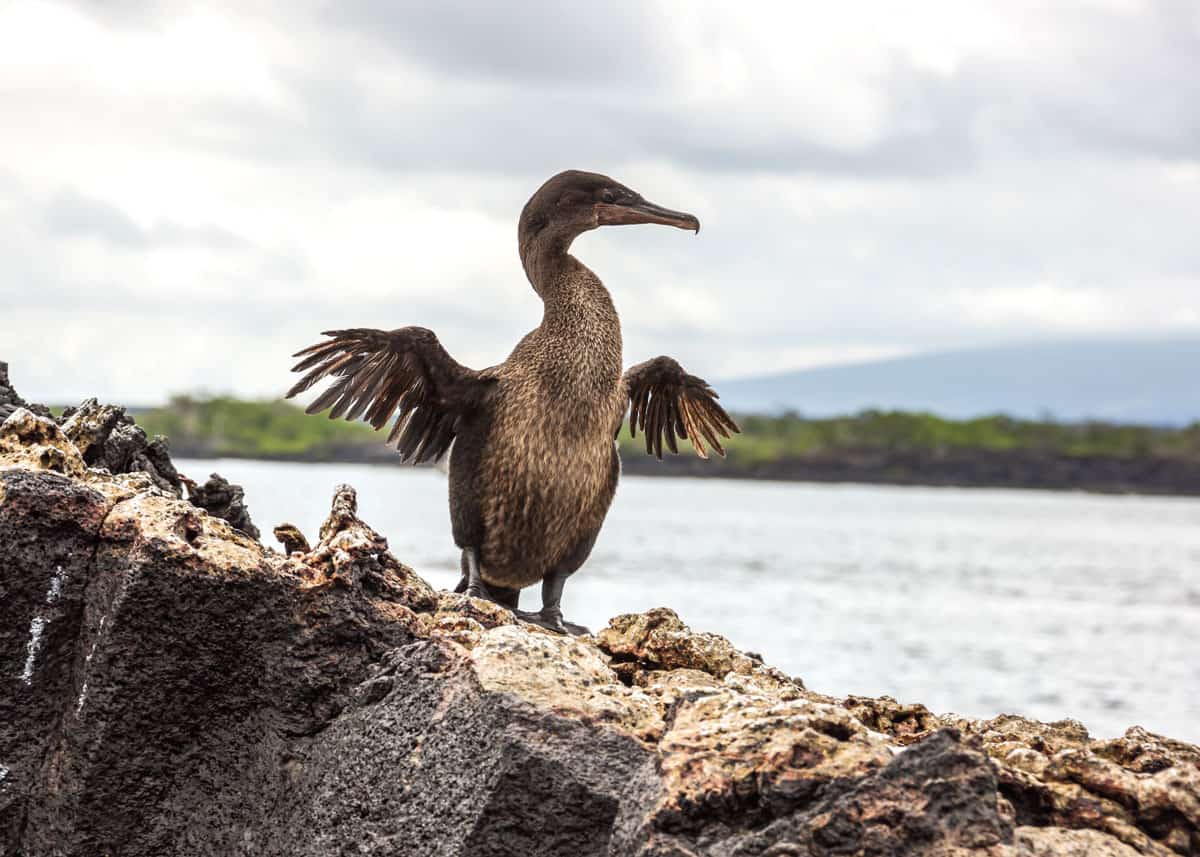
Flightless Cormorant
Galapagos Fur Seal
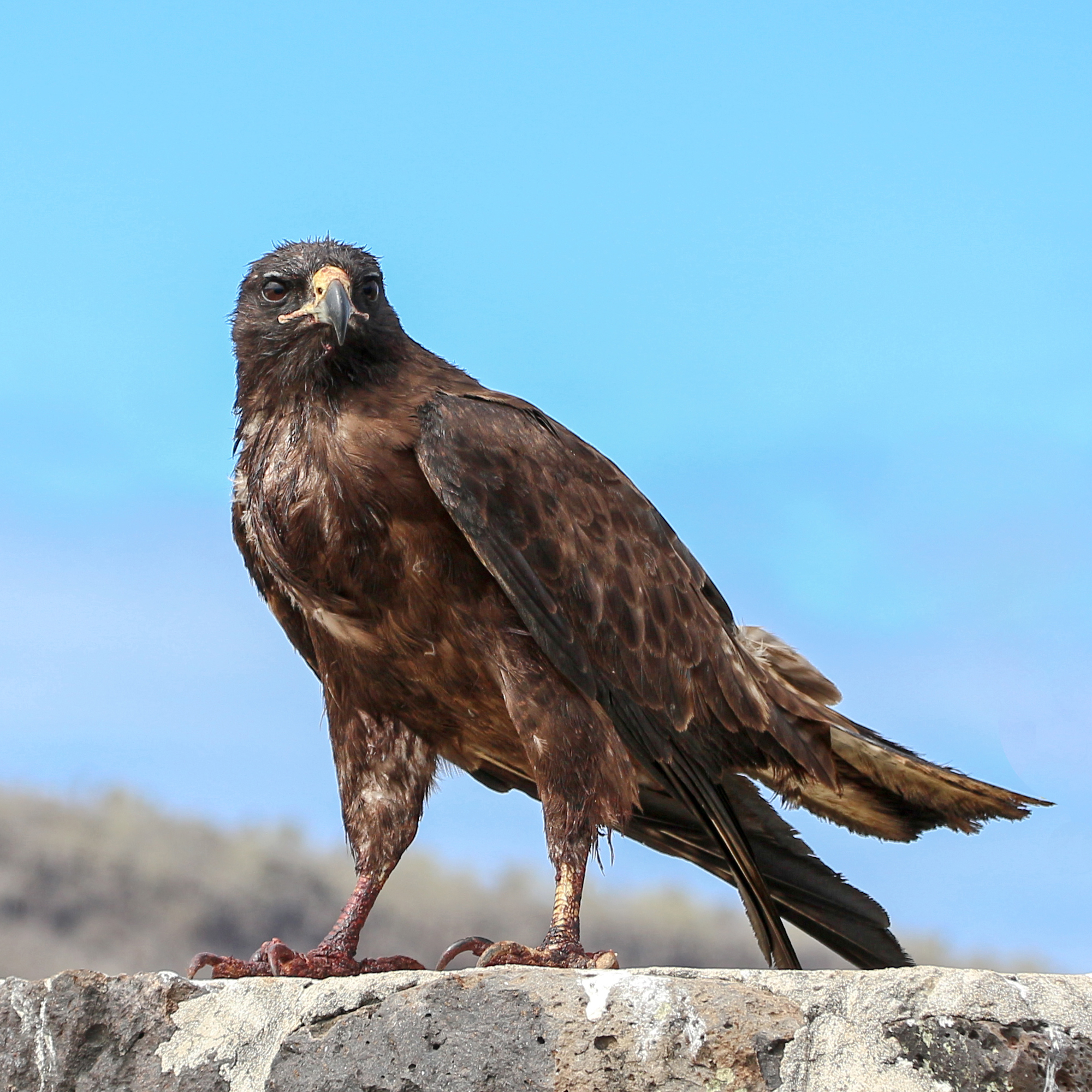
Galapagos Hawk
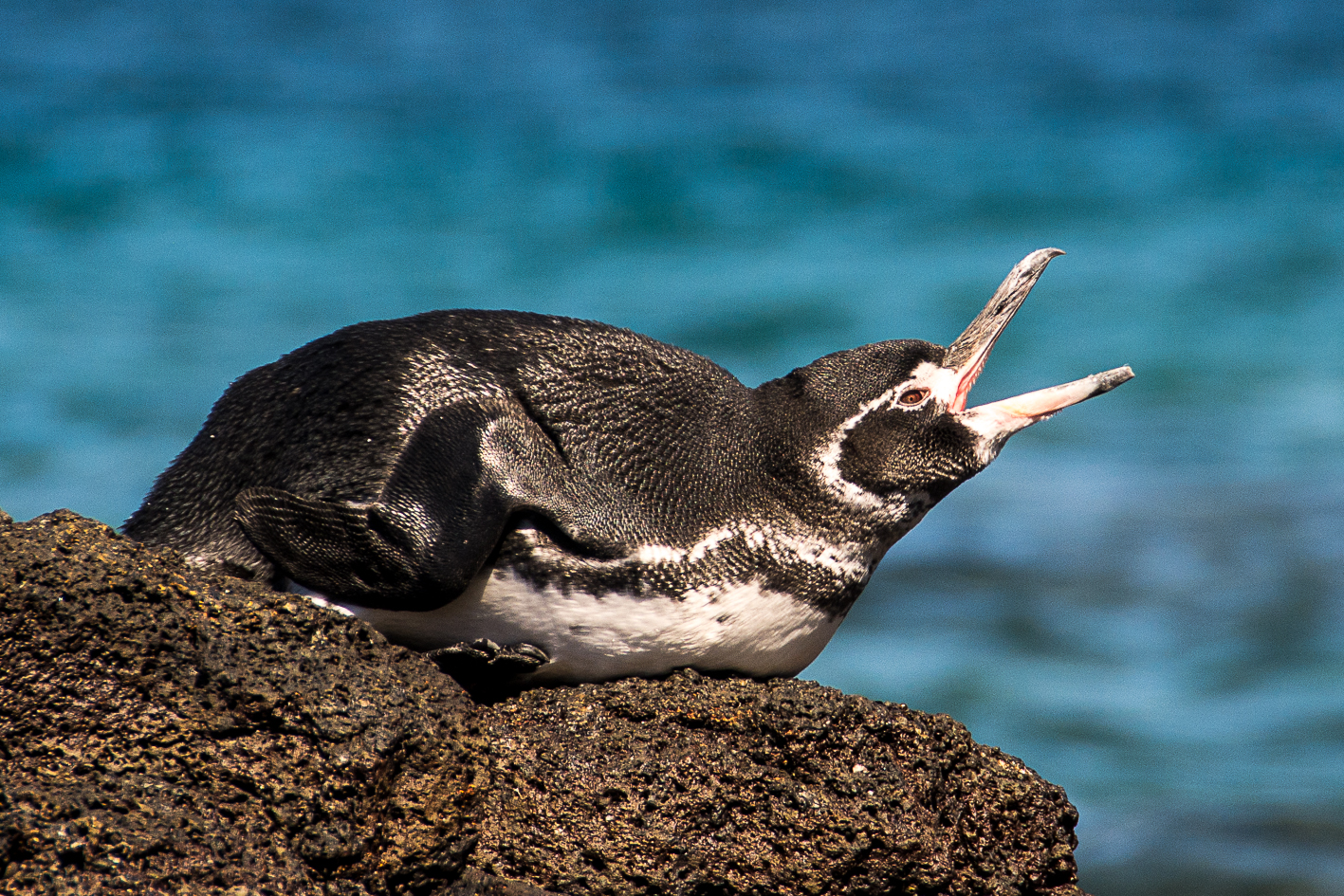
Galapagos Penguin (Most northern living penguin)
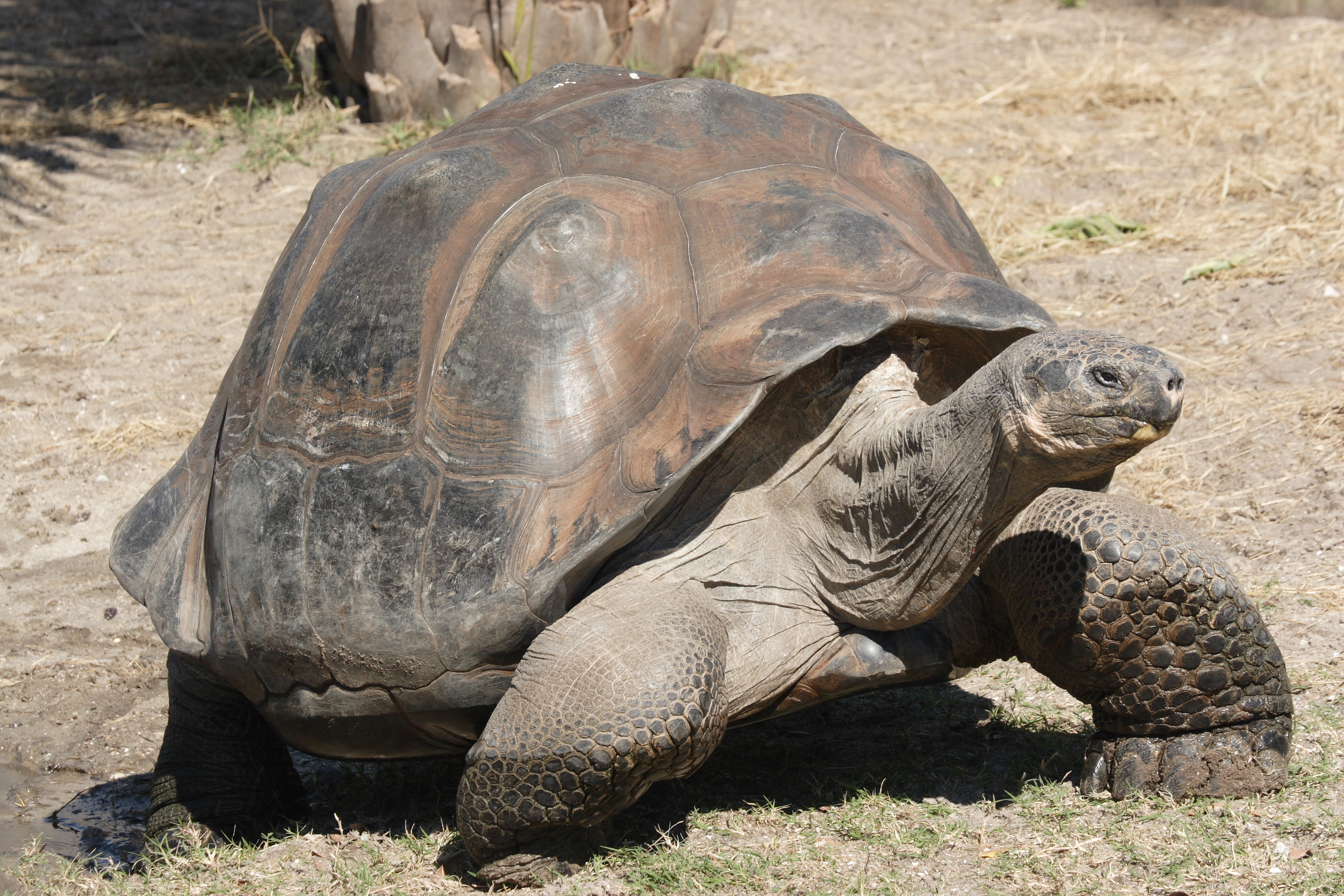
Galapagos Tortoise (Most famous of the animals)
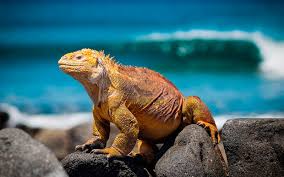
Land Iguana
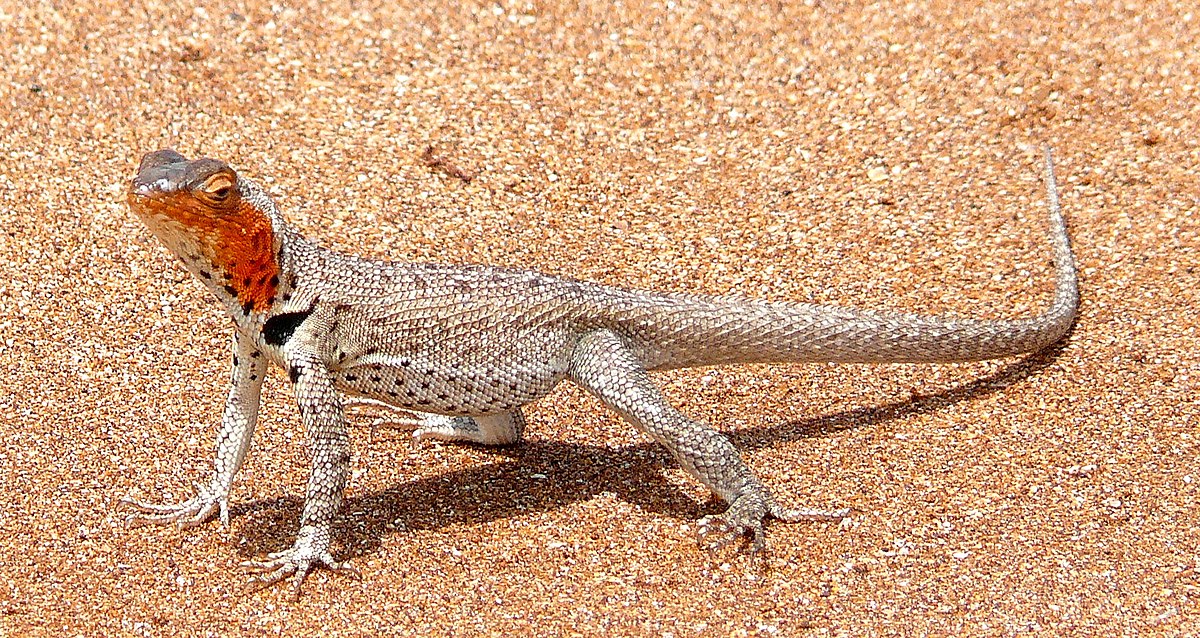
Lava Lizard
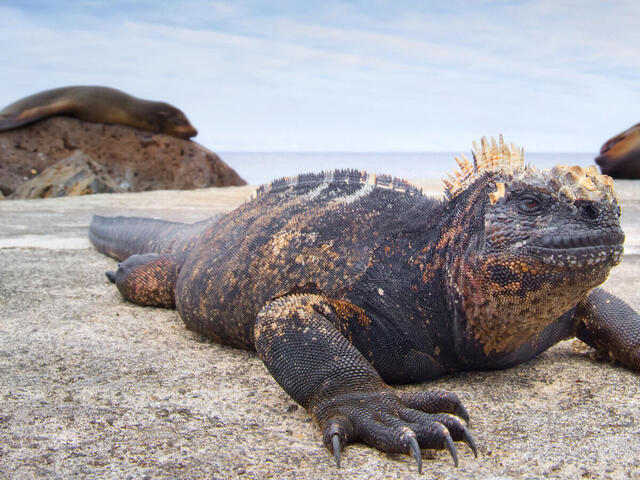
Marine iguana
Another common animal found on the Galapagos Island are finches. Many NY students learn about these when they take Biology (also called Living Environment) in school. This ties into one of the four labs that New York state requires for completion of the Regents course. Take a look:
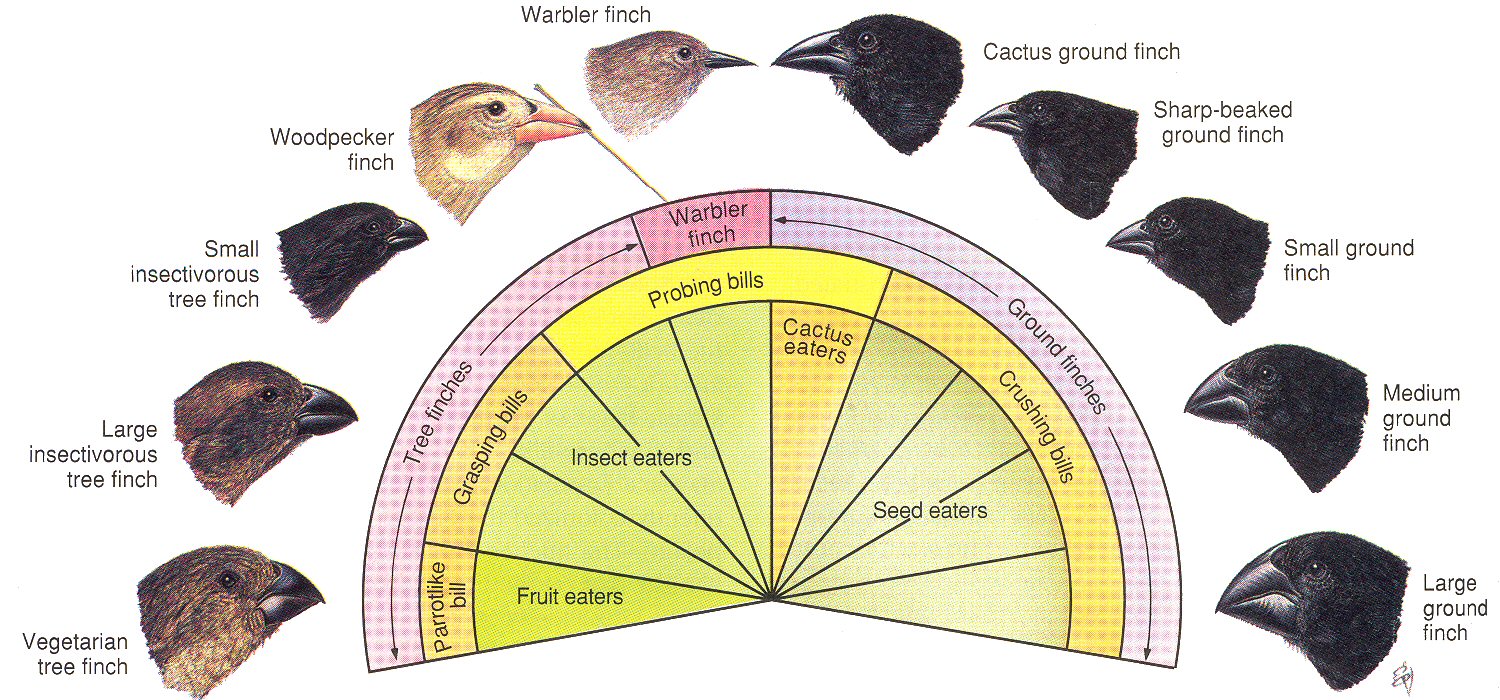
One of the reasons Galapagos biodiversity is so important is because Charles Darwin was there for 5 weeks in 1835. He wrote a lot about the animals and it helped him formulate the Theory of Evolution. The finches of the island were central to his theory because of their beaks. Each of the species originated from a single ancestor, which led to them looking similar, but not identical. Their beaks changed over time to allow each one to each specific foods without heavily competing.
More recently, Peter and Rosemary Grant witnessed the finches demonstrating evolution in real time on the island of Daphne Major. There was a drought on one of the islands in 1977, which made it harder for the medium ground finch to find food. They went from nearly 1,500 to a couple hundred in population. During this time, the Grants found that beak size in newer generations had gone up by 4%. This is because smaller seeds were rare while bigger ones were more accessible, but only those with larger beaks could crack them open. In 1982, there were heavy rains and smaller seeds became more numerous. Beak size for the medium ground finch then dropped 2.5% in future generations.
The story doesn’t stop there because large ground finches showed up with the heavy rains and began competing for the bigger seeds. This caused medium finch populations to shrink. Another drought in 2004 ended up devastating both species. This time, the medium ground finch beak size got smaller in spite of small seeds being harder to find. This is because the large ground finches were competing with them, so only those with smaller beaks could get the food that the bigger birds ignored.
All of this is why the Galapagos Islands are so important. They are great for scientific research on biodiversity and evolution.





 Legends of Windemere
A fascinating discussion of the islands and especially the finches, Charles. Nature is amazing.
LikeLike
Thanks. The finches are fun because NY State has a mandatory biology lab about adaptation using them.
LikeLiked by 1 person
😊
LikeLike
I loved this post because it brought back nice memories of the trip we took to the Galapagos with our children. It was amazing. I loved watching the iguanas all spit salt after they returned from feeding in the ocean. And the land iguanas all turned to the ocean when the tide turned, but ate local plants.
LikeLike
That’s so cool. I’m sure doing so today would be far out of my price range. Be a great trip to take one day though.
LikeLiked by 1 person
It was rather pricey but we chose to tour the islands on a sailboat, the Andando, with only 12 tourists. Sleeping out on the deck at night when sailing was quite the experience – I got to see the Southern Cross.
LikeLike
That’s awesome.
LikeLike
Our best trip ever!
LikeLike
This kind of stuff fascinates me. Thanks for sharing the evolutionary notes.
LikeLike
You’re welcome.
LikeLike
Good to know the evolution studies in the archipelago are continuing in the modern era.
LikeLike
They’re great lessons to look into even as an adult.
LikeLiked by 1 person
People think that evolution takes hundreds of years, but, as this shows, it can be quick.
Another example of quick evolution is the peppered moth. When buildings and tree trunks became dark, during the Industrial Revolution, with dirt, the light-coloured moths, that had been camouflaged on the lighter tree trunks, were now obvious. Birds easily picked them off.
Then came the Clean Air Act, and the dirt disappeared. Now it was the dark moths that could be seen, and the peppered moth now became light again.
LikeLike
My guess is that it takes at least a generation for evolution to set in.
LikeLiked by 1 person