
Google Image Search
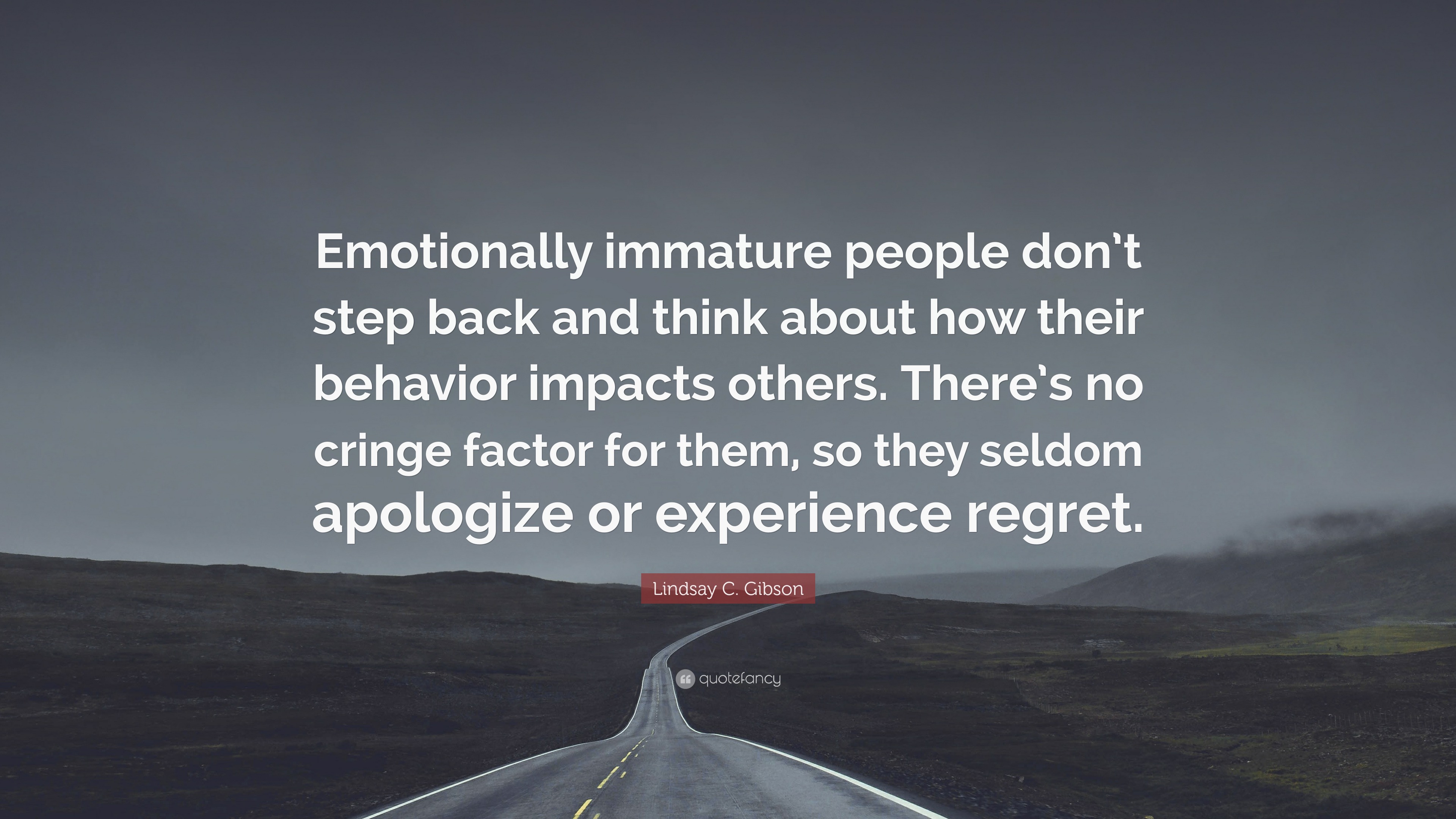
Know the above quote for a fact, but we’re going to stick to fiction. ‘Maturity vs Immaturity’ is the tried and true ‘Coming of Age’ story. What can we really say about that theme?
First of all, this is a more challenging theme to work on than people may think. The issue is the audience. Many people mistake immaturity for stupidity, so they get upset about actions taken. Adult readers don’t always remember what they were like as teenagers, so they read the stories with their mature lens. Some also forget that maturity is the same across the board, so a character might be lacking in some areas. Personal experience and beliefs play a bigger role in this type of story than we would like to admit.
There isn’t a clear solution to this problem. The characters need to grow at a natural pace, but one that fits them and their situation. Readers might get halfway through and think maturity should have been reached. Gets even more difficult when you factor in that such things tend to be rollercoasters. Maturing isn’t just a straight path. We can all go backwards, so having that in a story makes the pacing much more difficult.
A key part of this theme is internal, personal growth. I think this makes it very different than the previous themes. All of those had either external conclusions (life, death, etc.) or viewable by the outside ones (accomplishment/failure). Maturity is all internal even if people are judging you for your actions. It’s how you feel and think as you gain experience and wisdom. This doesn’t mean you can handle every situation, but new ones create more growth. Maybe characters, like all people, never reach perfect maturity, but that’s not really what we’re here to talk about.
How do we show maturity though? An easy way is to have a character’s thoughts be shown in a story. I’m not a fan of that, so I go more with actions. Like in real life, we tend to judge a person’s maturity by how they speak and act. In a story, having them face similar decisions at the beginning and end can help. Choosing the immature option reveals where they are starting and making the mature decision later on tells you how far they have come as a person. This doesn’t mean the author or reader has to agree with what they are doing, but there will be a recognition of growth.
One thing I really like about the ‘maturity vs immaturity’ theme is that it can be as versatile as romance in terms of genre. You can fit it into nearly any story. Even better than romance, it doesn’t really take away because it’s a personal quest. A hero going on an adventure can have a coming of age story, which is nothing more than the trials and challenges they face. It would be the same with a mature character only without the same amount of growth. The point of the theme is growth on a personal level instead of anything external.
I would like to point out that you can fail in a ‘coming of age’ story. I’ve seen some people say that it 0nly counts if the person matures, but I think it still works if the character doesn’t grow. Failure should always be an option in a story, which would be nothing more than getting the bad ending. The character could lose those who care about them or whatever depended on them maturing. After all, we’ve seen these types of stories play out in real life too.
What do you think of ‘maturity vs immaturity’ stories?




 Legends of Windemere
I think this is a great topic. This post reminds me of two reviews I watched for a recent film. In both cases, the reviewers cited their disgust for what they termed as the stupid, immature decisions made by an adult character. But had the character made better choices, the film wouldn’t have been made. So, the bad behavior was in service to the plot. I wonder if sometimes readers take offense at decisions made in service to a plot.
I agree that a character can fail in a coming-of-age story. My character certainly does! Failure is part of the journey. Coming of age doesn’t mean instant maturity (as if you’re full up on maturity and don’t have to grow in it anymore). It just means you’ve reached an emotional milestone in your journey, with more still to come. (Like Harry Potter, which is considered a coming-of-age story in series form.) I remember how I acted before my frontal lobe kicked in. But even after it did, I still made stupid decisions.
I don’t have a lot of internal dialogue in stories, though I don’t mind it in others. I agree that you can show a change in the character’s way of thinking by showing his or her actions.
LikeLiked by 2 people
I think many readers don’t realize a story won’t happen or will end quickly if bad decisions aren’t made. They go into the story ready to judge and criticism, but ignore reality. The truth is that life is filled with of bad decisions even by ‘mature’ adults.
LikeLiked by 1 person
So true! It’s like the argument over why the eagles didn’t take the ring to Mount Doom. That would have meant a story of about five pages instead of the beautiful journey we get to read.
LikeLike
The eagles also would have been seen by Sauron and knocked out of the sky by Nazgûl. Definitely a quick end to the story and Middle Earth. 😁. This kind of shows how people are more interested in figuring how a story wouldn’t happen than understanding why it did.
LikeLiked by 2 people
I had a review once (1*, I think) that went something like this: Why, oh why don’t they kill off the bad guys earlier when they get the chance? To keep a story going, that’s why.
I laughed at this, because he’d hit the nail on the head. Kill off the bad guys at the beginning, and no story.
LikeLike
It’s amazing that some readers expect heroes to be as bloodthirsty as the villains.
LikeLiked by 1 person
Ditto L. Marie. I like coming of age stories because the growth of the character can be fast or slow, disastrous or wonderful but is usually a great way to grab the reader.
LikeLiked by 1 person
So true! So many great stories involve characters learning the hard way!
LikeLiked by 1 person
Teaches a good lesson too.
LikeLiked by 2 people
I love to see the antagonist mature during the course of a story. It does not have to be a coming of age story but as simple as a character figuring out what makes them truly happy.
LikeLike
True. It could just be character development.
LikeLiked by 1 person
😊
LikeLike
But couldn’t that be considered coming of age? In one respect, aren’t all (most, many) stories ‘coming of age’ when the protagonist learns something and grows?
LikeLiked by 1 person
Depends on the lesson. Sometimes it’s just learning to be okay with oneself, which isn’t really maturity.
LikeLiked by 1 person
I suppose that’s true Viv. I think coming of age as a person who is a little immature for their age and finally comes into their chronological age through the experience.
LikeLike
This is an interesting topic and a well thought out presentation. I haven’t given it much thought, but you have me thinking.
LikeLike
Thanks.
LikeLiked by 1 person
Calling it ‘immaturity to maturity’ resonates better with me than ‘coming of age’ as the latter seems, to me, to be about teens. I know that’s not necessarily true, though.
Any story, surely, that shows growth of a person can be considered ‘immaturity to maturity’ to some extent.
LikeLike
Coming of age isn’t definitely more for teens, but I think that’s due to constant usage. It could work for a story about someone reaching retirement age.
LikeLiked by 1 person
This seems so basic to character development. Moving from inexperience to experience, sometimes through painful consequences.
I can definitely sympathize with readers who think a character only acts immature in order for the story to happen. However, as a writer, if I find the story could not happen without it, it would cause me to stop and think about my plot. What alternatives are there to the “plot device” that would make the tale more interesting?
LikeLike
It’s also very believable since immaturity is something we’ve all gone through. I think a mistake people make is believing immaturity is only for the young too. I’ve met plenty of immature seniors, which really opens up this storyline to more variety.
LikeLiked by 1 person
True that!
LikeLiked by 1 person
Thanks.
LikeLike