
While writing Do I Need to Use a Dragon?, I was wondering about the entire concept of ‘how to’ books. I went over a lot of this already, but there’s one aspect that I didn’t really touch on. That is the difference a ‘how to’ vs writing a fiction book.
Why do I think this is something to consider? I’ve run into many people who talk about the rules of writing. They make blogs and videos around the topic. They go on about various aspects of writing and declare their advice. These people dive into conversations with the air of a professional and stand their ground on their opinions. Many learn a lot from from them or at least alter their thinking. There’s just one catch:
Some of these people have never written a book.
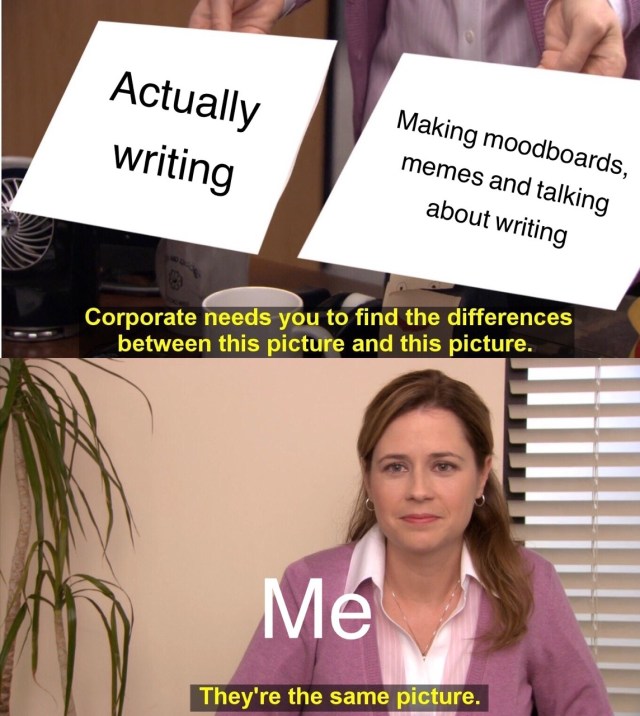
It’s a weird type of person to run into. They are so opinionated and knowledgeable about the aspects of writing that you are sure they’ve at least finished a manuscript. Instead, they’re spending most of their time reading up on writing and discussing it. Some will say that they’re still working on their first draft, which is fair. Others will admit that they haven’t actually written anything, but want to some day. That’s fair too, but it gets weird when this comes from someone who is giving advice as if they’ve gone through the process yet. Maybe they hit a comfort zone of learning about writing and they get enough attention being an advisor instead of an author. Yet, you would think they would at least write a ‘how to’ book.
And that’s where I start to wonder about Do I Need to Use a Dragon? and other books like it. Now, I’ve written and self-published around 27 books. So, I’ve put my advice into action. If it’s a known author who wrote the book then you definitely feel like you’re reading tested advice. Other times, I found that a person wrote a ‘how to’ book on writing after studying the topic or teaching it on the college level. There weren’t any signs that they published, but they studied the works of others. This isn’t bad, but it does mean that the advice comes from a different source. They’re not showing what they found has worked for them, but noted trends and tricks in others. So, how could one categorize these?
- Tested– I’m trying to think of a better word, but I’m stumped. Basically, this kind of ‘how to’ book would come from someone who has put their advice into practice. They are talking from personal experience, so there is an intimate knowledge with the material. You may also have some bias here too.
- Observational– This type of ‘how to’ is from a person who hasn’t done the activity, but has researched it. They have picked up on trends and tricks, which they are sharing with readers. This isn’t to say it is lacking in strength, but it will have a more clinical and distant tone. It also has less of a chance of personal bias unless the person sticks to a specific author. These ‘how to’ authors are also more likely to criticize and use examples of what not to do than the previous person.
- I Read It On the Internet– A third type that I’ve run into a few times. They haven’t written a book or done any real research. Many times, this person is someone who wants to write, but never got out of the discussion phase. They’ll spout whatever they see on the Internet such as ‘show don’t tell’ and ‘kill your babies’. There won’t be any explanation to those too. Yet, they’ll see an opportunity to write a book and self-publish it. This will get them a little money and confidence.
Now, I really don’t have a problem with the first two. They come at the ‘how to’ book from different angles. The third one might work if the person is earnest and trying to help, but my experience is that they simply want to get on a soapbox. Again, personal experience, so there could be some out there who have done their research. Though, wouldn’t that put them in the second category?
It’s funny writing about this because I genuinely felt like I shouldn’t be writing a ‘how to’ book. Do I Need to Use a Dragon? was a challenge because I had to write as myself instead of a character. This resulted in me wondering if my experience as an author was enough to warrant such a book. I definitely wasn’t in category #3 and didn’t research enough to be in #2. Yet, there remains a stigma around self-published authors that they aren’t ‘real’ authors. I still feel that imposter syndrome at times, which is why this book became a bigger challenge. I had to write with confidence while wondering if I’m worth listening to. Not a fun juggling act.
So, take a look at my mental meanderings for 99 cents on Amazon Kindle.



 Legends of Windemere
I appreciate the fact that you worked on this book after publishing so many novels and books of short stories. You actually do what you write about. You’re not just spouting theory. I probably wouldn’t read a how-to book by someone who never wrote a book, but only parroted tips found on the internet, because that person probably couldn’t identify erroneous information readily enough. Tips need to be tested as you mentioned. That’s when you discover, “This works” or “This is hogwash.” Here’s a for instance that isn’t about writing fantasy, but points to erroneous information. Many people think that when you seek traditional publication for a picture book, you have to hire an artist. Several people have said this to me. But the publisher hires the artist (unless the artist is also the writer). Someone just spouting theory in a book on how to write picture books probably would insist that the author hire an artist, because many people believe you have to do that.
LikeLiked by 1 person
I used to think an author gets to choose their artist. That’s because most people grow up thinking an author has full control of the whole process. If only that was true.
LikeLiked by 1 person
An author can suggest names of possible illustrators. But ultimately, the pubisher decides, since the illustrator shares the royalty with the author.
LikeLike
I remember reading that illustrators and cover artists aren’t always given the book to look through for ideas. That’s why some fantasy books have covers that make no sense.
LikeLike
You have such a good point here. It’s always a good idea to check out the author of whatever how-to book. Even it it’s a how-to book on plumbing because there’s a leak under your sink. Wouldn’t it be good to know the author is qualified, before you flood the basement?
How-to about the arts is even squishier. It’s important to use the look-inside feature so you can get an idea if the advice is something at your own level.
LikeLiked by 1 person
It’s always a gamble even with experienced authors. Good idea on using the ‘look-inside’ feature.
LikeLiked by 2 people
I think it was a big undertaking and worth congratulations.
LikeLike
Thanks. 🙂
LikeLiked by 1 person
I can see the validity in 1 & 2. Maybe a professional editor or intake editor pens one of these. 3 is harder to deal with, and with the appearance of AI how will that influence books. (4)
LikeLiked by 1 person
AI would destroy art. There wouldn’t be much soul to it, especially with advice. It would be entirely clinical and missing nuance.
LikeLiked by 1 person
There are a lot of well-established authors, like yourself, who has the experience to write a book about how to write a book, but there are many who don’t.
Not long ago, I started to read a blog post about how to write. It turned out the author was in the process of writing her first book. I stopped reading at that point as I have 11bpoks published, two more almost ready and another just started. It’s like an apprentice motor mechanic, who is only a few weeks into their apprenticeship, servicing your car!
I really don’t know how anyone with zero experience can even consider writing such a book. Even I, with all my published books, would think twice.
Perhaps that’s imposter syndrome.
LikeLike
Wouldn’t really say I’m well-established. Gutter sales and blog views kind of go against that concept.
I’ve known a few people who thought to write a ‘how to’ when they were still writing their first draft. The belief was that they had read so much about writing and taken so many seminars that they were experts.
LikeLiked by 1 person
The opposite of imposter syndrome, I’d say.
LikeLike
Expert syndrome?
LikeLike